




 0
0
The Premier League Spent Hundreds of Millions. Brentford Just Exposed the Problem
Tottenham spent roughly £237 million rebuilding their squad this summer, with a further deal set to push that total past £300 million.
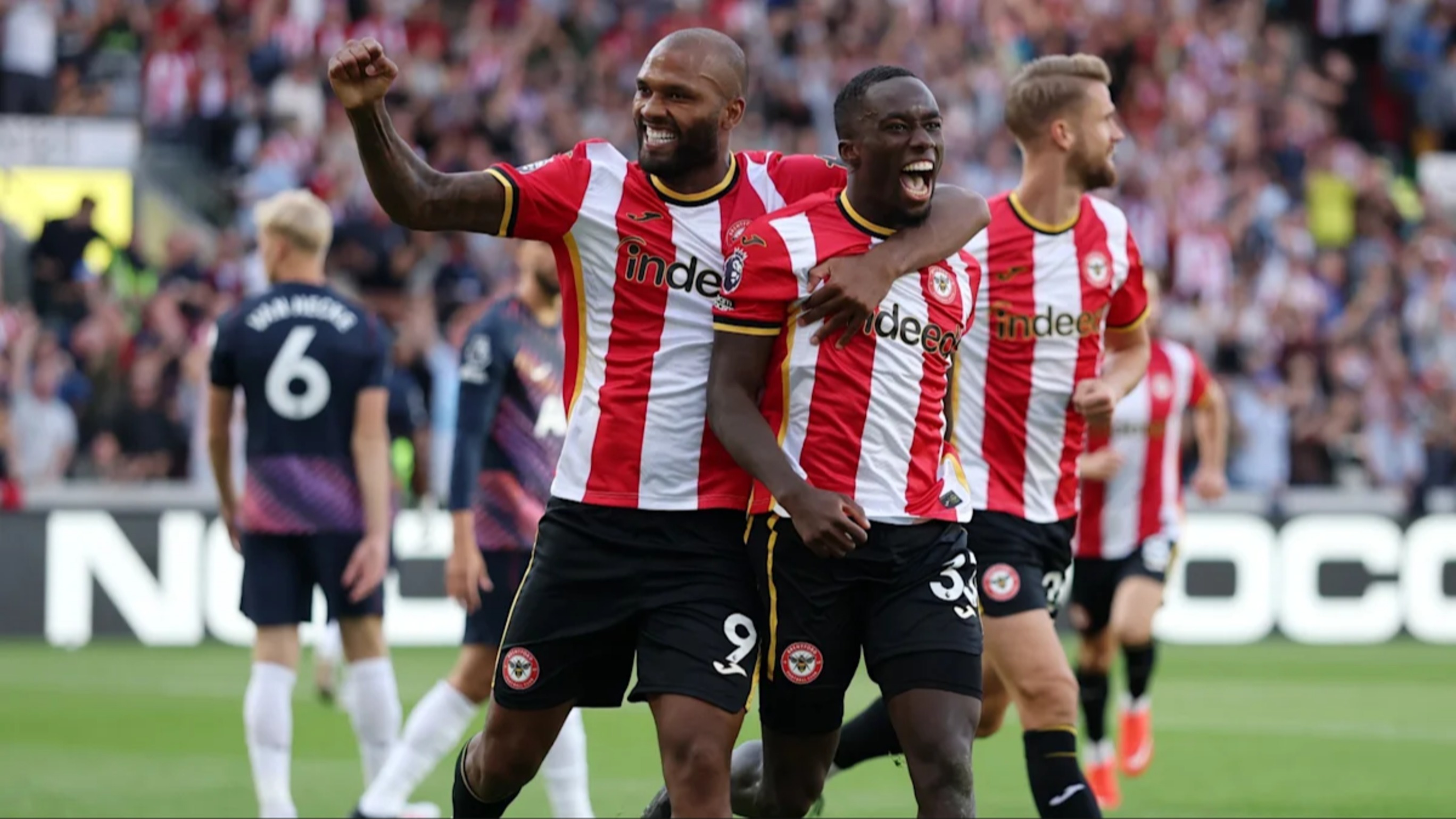
On the opening day of the 2026-27 Premier League season, they lost 3-0 at Brentford, a club that spent a fraction of that sum and whose own record signing cost £41 million.
It's the kind of result that keeps happening in football, and keeps confusing people about what transfer spending is actually supposed to buy.
Four new faces, zero cohesion
Tottenham's new manager Roberto De Zerbi handed debuts to four summer signings in the same match: Sandro Tonali, a £100 million record purchase, alongside Andy Robertson, Marcos Senesi and Jan Paul van Hecke.
On paper it read like a squad reset built around genuine quality. On the pitch, it looked like exactly what it was: players who'd never shared a dressing room long enough to actually function as a team. Tottenham failed to register a single shot on target in the entire first half.
Brentford, by contrast, fielded a settled group built gradually under a clear tactical identity, with their record signing Mamadou Sangaré, at £41 million a genuinely large fee by the club's own historical standards but a fraction of Tottenham's outlay, providing the assist for the opening goal within 12 minutes.
Keane Lewis-Potter, Vitaly Janelt and Michael Kayode completed the scoring, and Brentford could easily have added a fourth had Igor Thiago converted a late penalty.
Money buys players. It doesn't buy time
The uncomfortable truth Tottenham's afternoon exposed is that transfer fees measure a player's individual talent far more reliably than they measure how quickly a newly assembled group can actually play as a team.
Four new starters in defence and midfield meant Tottenham's back line and press had never been tested together under match conditions before kickoff, while Brentford's players had spent a full pre-season and, in most cases, years together learning each other's movement and timing.
It's a version of a problem elite squads run into constantly: spending enough to assemble individually excellent players is a very different challenge from building a team capable of executing a coherent gameplan under pressure, and no transfer fee, however large, buys that second thing directly.
Cohesion has to be built on the training pitch, over time that money alone can't accelerate.
A pattern, not a one-off
This isn't the first time a heavily rebuilt squad has stumbled out of the gate against a club with a fraction of its resources, and it won't be the last.
What made Tottenham's defeat land so hard was the scale of the contrast: a club that had visibly reset its entire recruitment strategy around spending big, undone on day one by a well-organised side that had simply been playing together longer.
Manager Roberto De Zerbi called the performance "very, very bad" afterward, a rare moment of blunt honesty about exactly the gap between assembling a squad and building a team.
Tottenham's spending isn't over, with further signings still being finalised. Whether that additional outlay solves the actual problem, or simply adds more new faces to a group still learning how to play together, is the question this result raised without answering.
Does a result like this suggest clubs should slow down their transfer spending to prioritise squad continuity, or is a rocky opening weekend simply an unavoidable cost of any serious summer rebuild?


