





 0
Tennis Champions Barely Get Time to Enjoy What They Just Won. Why?
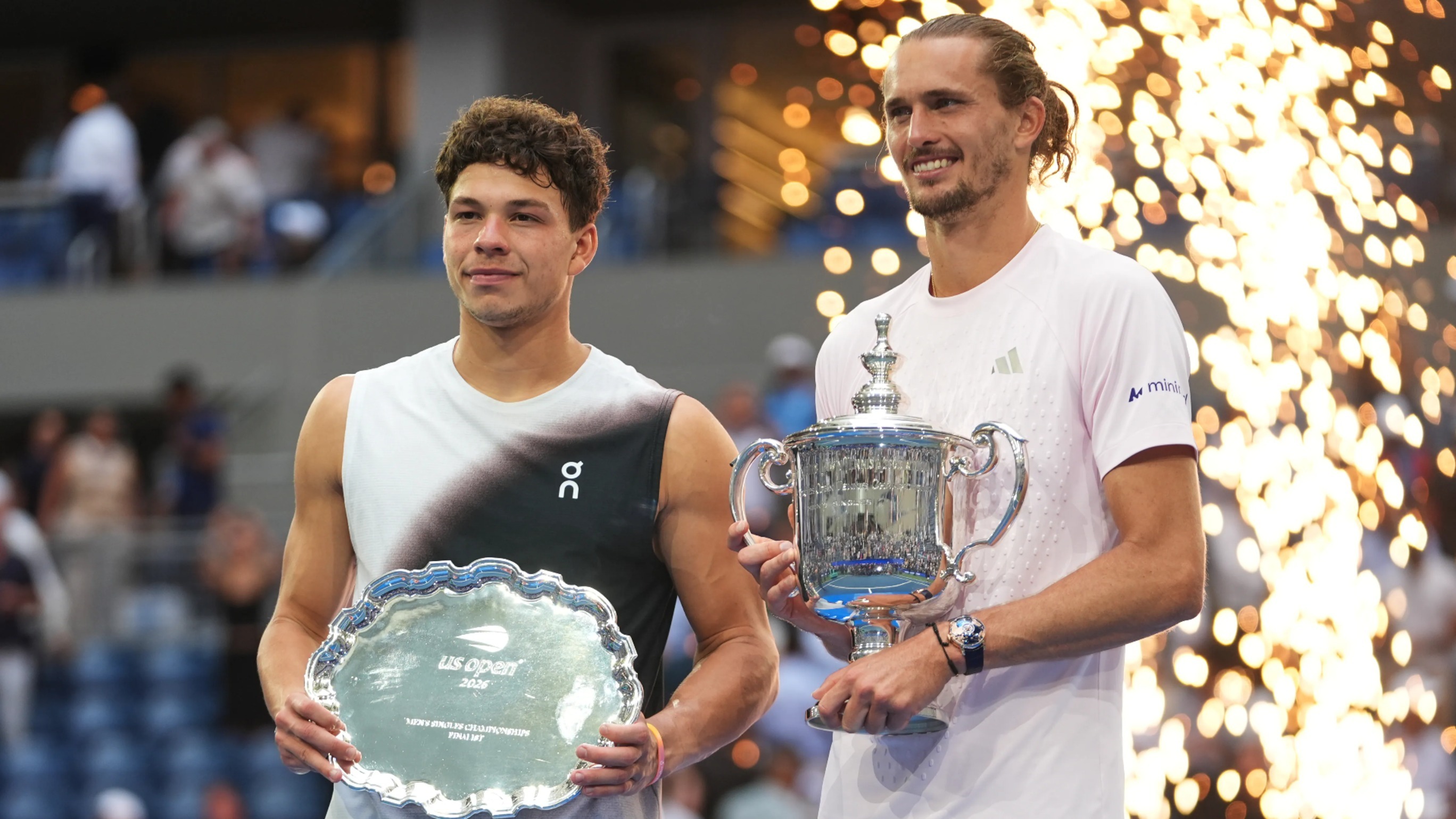
Win the US Open, and you might expect the world to let you enjoy it. Instead, tennis gives you a trophy, a few days of celebration, and then another flight to another tournament. While other champions get months to savor the biggest wins of their careers, tennis stars are often back on court before the champagne has even gone flat.
That gap between how other sports let champions savor a major title and how tennis handles it is worth examining directly, because it's not an accident of scheduling. It's built into how the sport's ranking system works.
What the calendar actually demands right after a major
The WTA tour didn't pause after this year's US Open wrapped. Guadalajara's 500-level event and São Paulo's 250 both opened within days, running September 13 through 20, immediately followed by a lengthy Asian swing carrying straight through October: Seoul, then back-to-back 1000-level tournaments in Beijing and Wuhan, then stops in Ningbo, Osaka, Tokyo and Guangzhou before the season finally closes with the WTA Finals in mid-November.
That's roughly nine weeks of continuous, ranking-relevant competition immediately following the most physically and emotionally draining two weeks of the tennis calendar, with barely a full week off anywhere inside that stretch.
Why players show up anyway
Tennis's ranking system rewards consistent point accumulation across the entire calendar year, not just performance at the four majors. A player who takes several weeks off to actually recover after a Grand Slam is a player who's simultaneously watching rivals bank ranking points they can't retroactively claim back. That incentive structure is exactly what pulls a US Open champion into a hard-court event in Mexico or South Korea days after lifting a trophy in New York, even when common sense says the body needs rest first.
It's a genuinely different bind than team sports face. Football and basketball build defined offseasons directly into league structure. Tennis's calendar, spanning multiple tours and governing bodies that don't always coordinate scheduling with each other, runs essentially year-round by design.
What that actually costs the athletes
Player associations have raised this exact concern repeatedly in recent years, arguing the schedule asks too much of bodies also expected to compete at an elite level across wildly different surfaces, hard court to clay to grass and back again, sometimes within a single month. A tennis champion doesn't get a real victory lap. They get a few days of recognition, then a flight, then a different continent's hard courts, at a pace the ranking system genuinely doesn't let them opt out of without real cost.
The irony is that winning can make the problem worse. A deep Grand Slam run means more matches, more travel and more physical load, yet it also creates greater pressure to keep competing while the points and attention are still available.
If the ranking system is what forces this relentless pace, is it actually serving the sport's biggest stars, or quietly wearing down exactly the players tennis most needs to keep healthy?

Sarajevo Back at the Heart of Regional MMA: SFC Returns with Explosive Matchups

How Buzzer Karma Works: Levels, Penalties, and What They Mean

Inside Buzzer's Latest Update (and Why It Changes How You Use the App)

Buzzer Introduces Ads Console: A New Era of Advertising Across the Entire Buzzer Ecosystem

Buzzer Is Evolving: From Quantity to Quality

Buzzer Now Has a Games Hub, and Tournaments Are Coming

Polo Al Taco Expands Its Global Reach Through Weekly Livestreams on Buzzer Arena TV

Al Ittihad SC's Matches Are Now Live on Buzzer

Palm City vs Gulf United Ends in 1–1 Draw in UAE Second Division League Clash

"We Don't Take the Guy With the Camera." He Built His Own Club Anyway. Now He's Coming to Find You.


 1


