
 0
0
The NBA Called the Three-Point Line a Gimmick for Seventeen Years
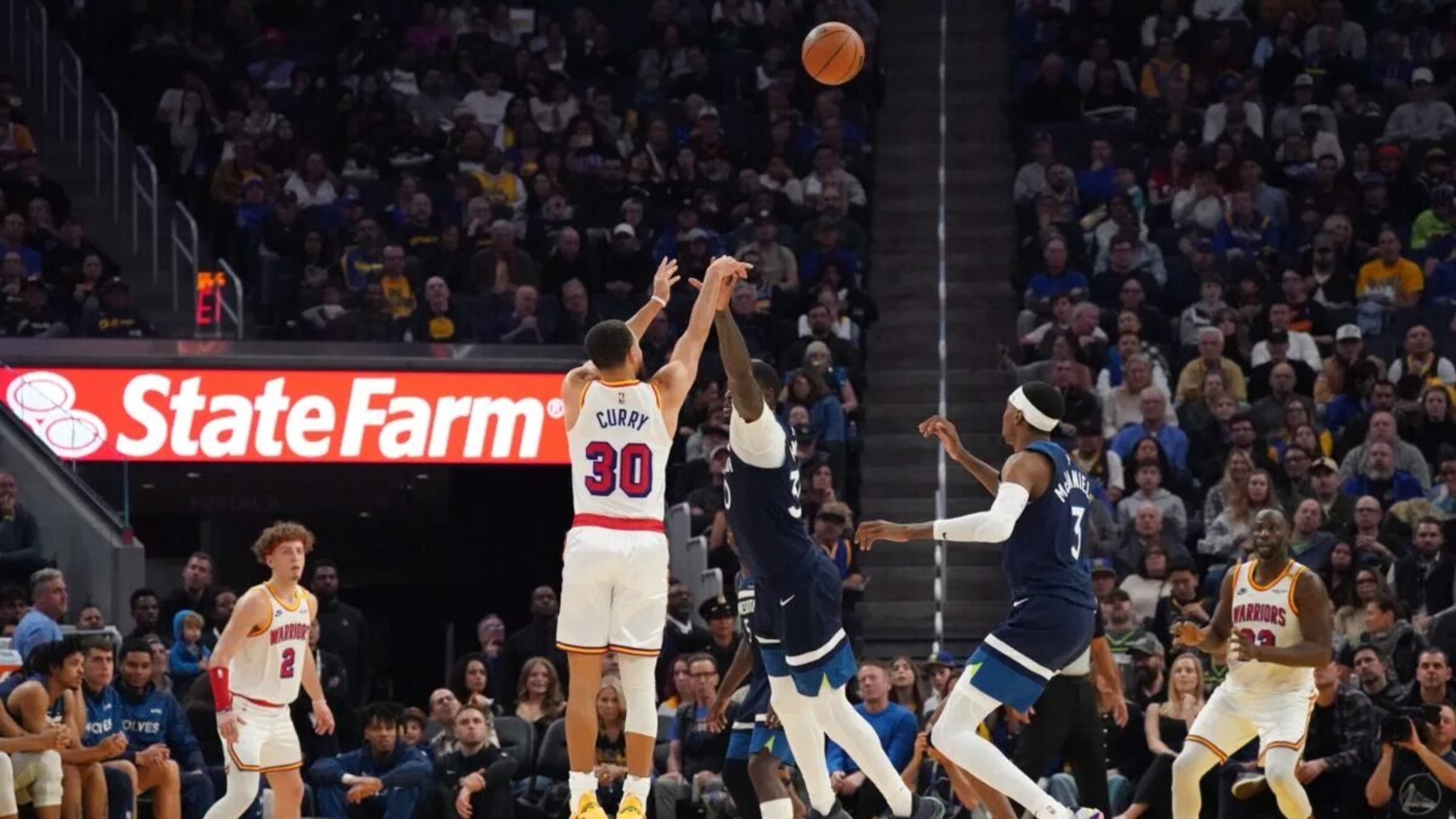
Modern NBA offenses live and die by the three-point shot, with teams now regularly attempting 35 or more per game compared to the roughly 3 attempts per game teams averaged in the shot’s earliest NBA seasons. It’s difficult to imagine the league without it. For nearly two decades, the NBA actively refused to adopt it, dismissing the entire concept as an unserious gimmick beneath the sport.
The three-pointer wasn’t the NBA’s idea at all. It came from a rival league the NBA eventually absorbed and, in a sense, outlived.
Born from a rival trying to survive
The American Basketball League introduced basketball’s first three-point shot during its 1961 season, an idea pushed by league founder Abe Saperstein, who had also founded the Harlem Globetrotters. Saperstein’s explicit goal was giving smaller, shorter players a genuine path to relevance in a sport increasingly dominated by size around the basket. He and longtime DePaul coach Ray Meyer reportedly settled on the distance the old-fashioned way, walking onto a court with a tape measure and picking 25 feet by feel.
The ABL folded after just a season and a half, and the concept mostly died with it, dismissed by many basketball traditionalists at the time as a gimmick unworthy of serious competition, the exact criticism that would follow the shot for years afterward.
The rival league that finally forced the NBA’s hand
The three-pointer resurfaced when the American Basketball Association launched in 1967, adopting it specifically to differentiate its faster, more entertaining style from the more conservative NBA product, complete with a red, white, and blue ball to match the flashier branding.
When the NBA and ABA merged in 1976, absorbing several ABA franchises directly into the NBA, the three-point shot itself didn’t come along immediately. NBA owners and coaches remained genuinely resistant, still viewing it as a gimmick rather than a legitimate strategic tool.
It took three more years of internal debate before the NBA finally adopted the three-point line for the 1979-80 season, initially on a one-year trial basis, still unconvinced it would stick permanently. Chris Ford of the Boston Celtics made the first three-pointer in NBA history on October 12, 1979, the same night Larry Bird and Magic Johnson both made their NBA debuts.
An idea that took decades to actually change anything
Even after formal adoption, the three-point shot barely mattered competitively for years. NBA teams averaged fewer than three attempts per game across the shot’s first five seasons, making just 26 percent of them, numbers so marginal that plenty of players and coaches still treated the whole concept as a novelty rather than a real weapon. The league even shortened the line by two feet from 1994 to 1997 specifically to encourage more attempts, before reversing that change and moving the line back out.
The real transformation didn’t arrive until analytics-driven offenses took hold in the 2010s, more than three decades after the NBA reluctantly adopted a shot it had spent nearly twenty years actively rejecting from a league most fans have now forgotten ever existed.
Given how long it took the NBA to recognize the three-pointer’s actual value, what other current basketball rules or tactics dismissed today as gimmicks might end up looking obvious in hindsight thirty years from now?