





 0
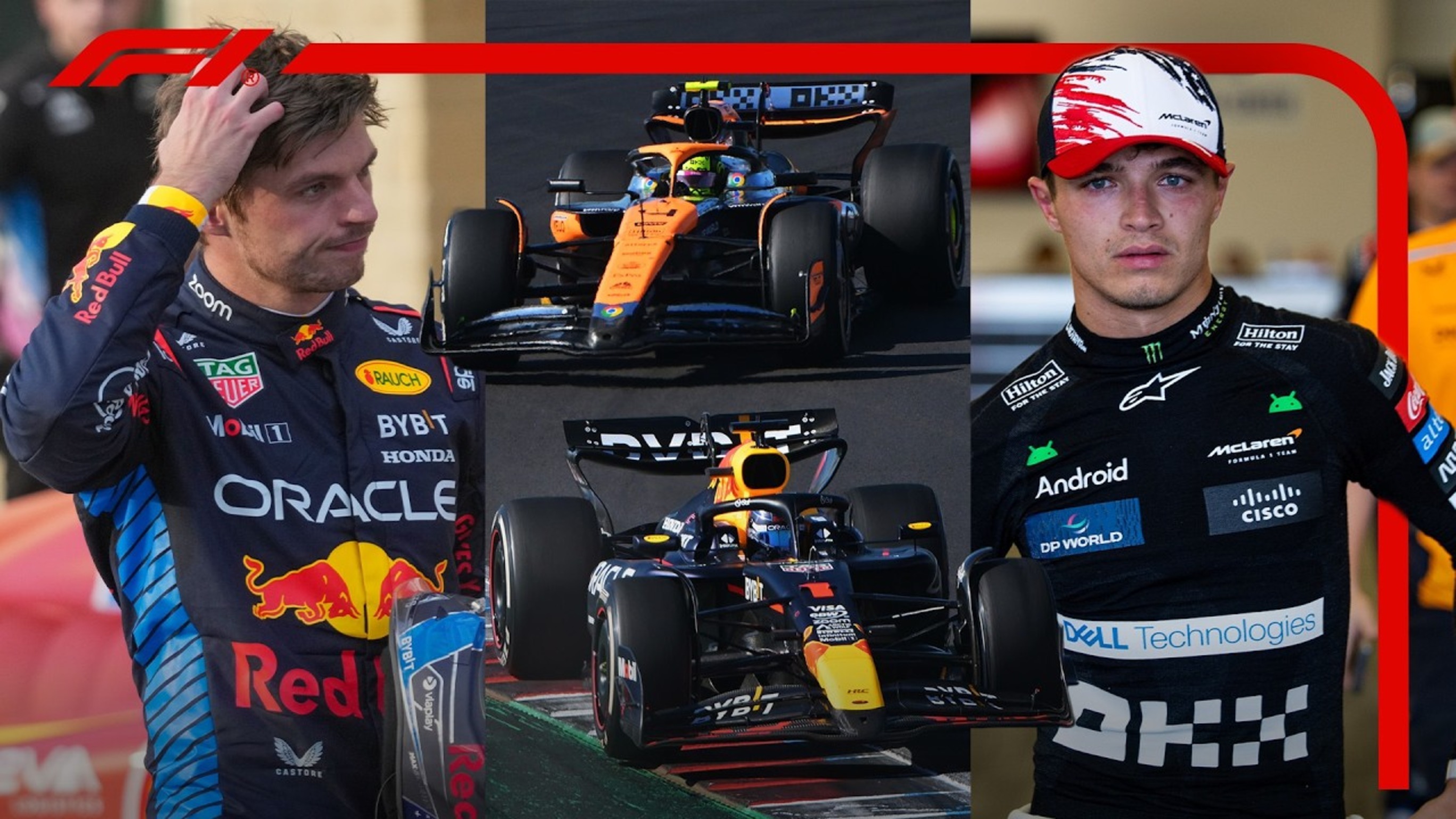
Max Verstappen Won More Races Than Lando Norris in 2025. He Still Lost the Title.
At one point in 2025, Lando Norris had a championship lead of 104 points. By the final round in Abu Dhabi, that lead was down to two. Max Verstappen won the last race of the season and still finished runner-up, despite winning one more Grand Prix than the champion across the whole year.
Final tally: Norris 423 points, Verstappen 421. Norris took seven wins. Verstappen took eight. In a sport where the trophy supposedly goes to whoever was fastest most often, the guy with fewer wins got it.
How a 104-point cushion nearly disappeared
McLaren spent most of the year with the best car on the grid, and for a long stretch Norris and his teammate Oscar Piastri were simply lapping the field. Then Red Bull found form in the second half of the season, and Verstappen did what Verstappen does when a title is mathematically alive: he stopped losing.
He didn't need Norris to make mistakes. He just needed to keep winning while Norris did enough to survive. By Qatar, the "insurmountable" gap was 12 points. By Abu Dhabi, a Verstappen win and a Norris third meant the margin came down to two.
The stat that annoys purists
Verstappen finishing with more wins than the champion isn't some freak one-off. It happens more than people assume once you actually look for it, and it always reopens the same argument: should a Formula 1 title reward whoever wins the most races, or whoever accumulates the most points across 24 rounds of podiums, fifth places and the occasional retirement?
Points systems exist because they reward consistency, and consistency is genuinely hard. Piastri led the championship for 15 rounds and still finished third, 13 points off the title he arguably should have won on raw pace at various points in the year. Three drivers were within 16 points of each other heading into the final weekend. That's as close as this sport gets.
What it means heading into 2026
Norris becomes the 35th different World Champion in F1 history and the eighth Brit to do it, ending Verstappen's run of four straight titles. For Red Bull, the story is less about the loss and more about the fact that they were building speed at exactly the moment it mattered least. If that pace carries into next season, McLaren's two-driver headache doesn't go away. It gets worse.
The bigger question is whether McLaren can turn its advantage into something more sustainable. Having the fastest car for much of a season is one thing; converting that speed into points every weekend is another. Red Bull's late surge showed how quickly the competitive order can change, while Verstappen's ability to capitalize on every opportunity ensured the championship stayed alive far longer than the early standings suggested.
Norris now has to defend a title he nearly gave away. Verstappen gets to spend the winter reminding anyone who'll listen that he outscored the champion in wins. Both of those facts are true, and only one of them decided anything.
If a driver genuinely wins more Grands Prix than his closest rival across an entire season, should the title go to whoever crossed the line first most often, or does rewarding the driver who rarely finished worse than third make for a fairer champion?

Sarajevo Back at the Heart of Regional MMA: SFC Returns with Explosive Matchups

How Buzzer Karma Works: Levels, Penalties, and What They Mean

Inside Buzzer's Latest Update (and Why It Changes How You Use the App)

Buzzer Introduces Ads Console: A New Era of Advertising Across the Entire Buzzer Ecosystem

Buzzer Is Evolving: From Quantity to Quality

Buzzer Now Has a Games Hub, and Tournaments Are Coming

Polo Al Taco Expands Its Global Reach Through Weekly Livestreams on Buzzer Arena TV

Al Ittihad SC's Matches Are Now Live on Buzzer

Palm City vs Gulf United Ends in 1–1 Draw in UAE Second Division League Clash

"We Don't Take the Guy With the Camera." He Built His Own Club Anyway. Now He's Coming to Find You.


