

 1
1
The Judo Gold That Mattered More to a Country Than to a Sport
Kosovo declared independence from Serbia in 2008. It took until December 2014 for the International Olympic Committee to formally recognize the country. Even now, full international recognition remains incomplete, partly because Russia holds a Security Council veto that makes United Nations membership close to impossible.
For a small nation with 1.8 million people and limited diplomatic leverage, Olympic recognition was never just about sport. It was one of the few global stages where Kosovo could exist as itself, wearing its own flag, in front of the entire world.
Majlinda Kelmendi turned that stage into something unforgettable.
From borrowed flag to her own
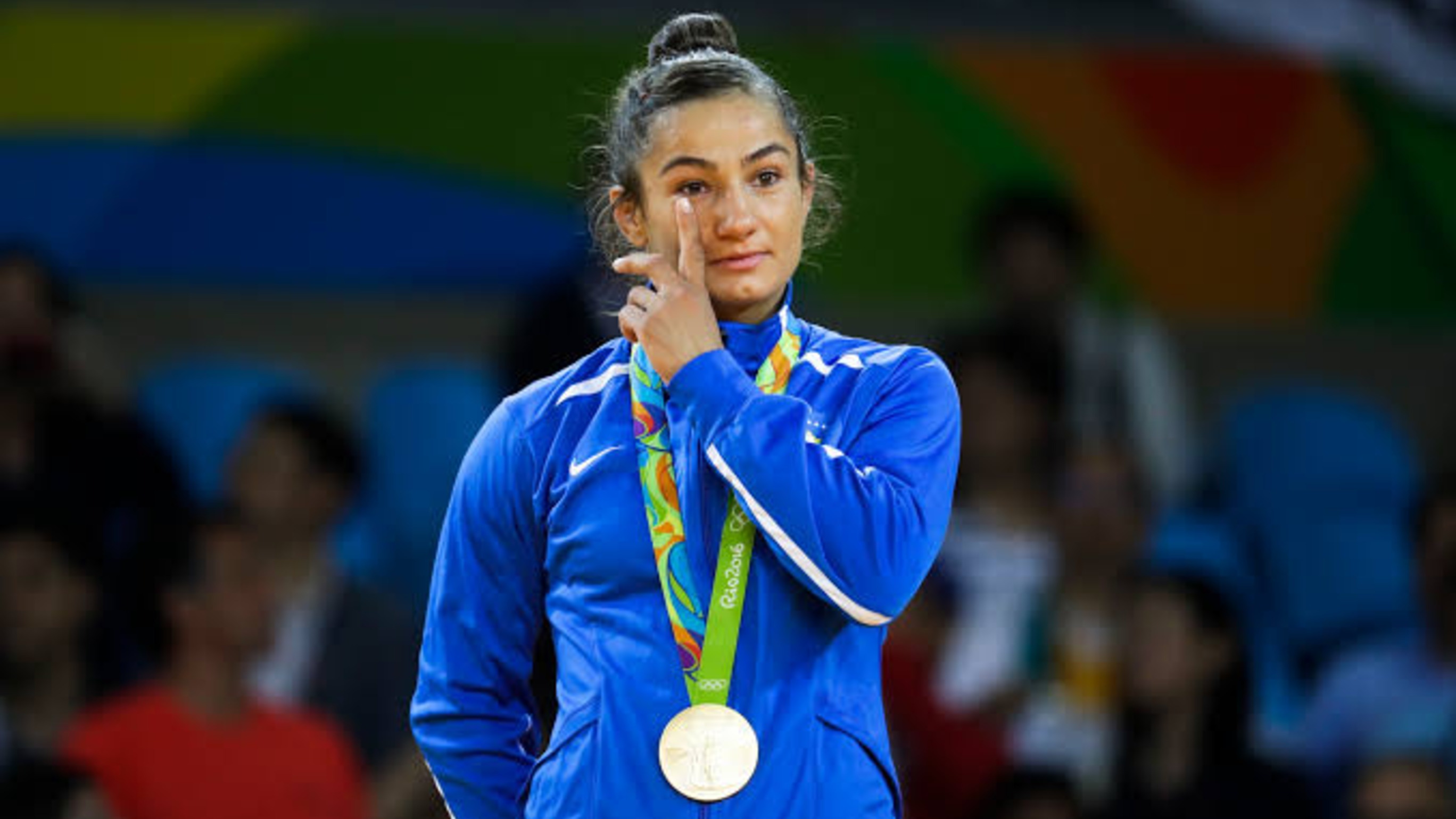
At the London 2012 Olympics, Kelmendi competed under the Albanian flag because Kosovo wasn’t yet recognized. She didn’t medal. Four years later in Rio, wearing “KOS” on her judogi for the first time, she walked in as Kosovo’s flag bearer and the heavy favorite in the women’s 52kg category, already a two-time world champion.
She delivered. Kelmendi beat Italy’s Odette Giuffrida in the final to win gold, Kosovo’s first Olympic medal of any kind as an independent nation. She had turned down offers worth millions of dollars from other countries wanting her to switch allegiance after her disappointing 2012 showing. She stayed in Kosovo instead.
What the medal actually meant
Kelmendi didn’t undersell what the moment represented. “People, especially kids in Kosovo, look at me as a hero,” she said afterward. “I’ve just proved to them that even after the war, even that we have survived the war, if they want something they can have it.”
That framing wasn’t hyperbole. Kosovo’s declaration of independence came less than two decades after a brutal war and ethnic cleansing campaign that displaced hundreds of thousands of people. For a generation of Kosovar kids who grew up in that aftermath, watching their flag raised at an Olympic podium for the first time carried weight that had nothing to do with judo technique.
A statue of Kelmendi now stands in her hometown of Peja. Kosovo’s Olympic Committee still marks the anniversary of her win as one of the country’s most significant dates, full stop, not just in a sporting sense.
A pattern bigger than one athlete
Kelmendi’s story fits a pattern that plays out repeatedly in sport. Nations without full international political standing often find that Olympic recognition and athletic success open doors that formal diplomacy can’t. A gold medal doesn’t grant a UN seat. It does put a flag on a podium, broadcast to a global audience, in a context where nobody can argue about whether that flag belongs there.
For most Olympic champions, a gold medal is a career achievement. For Kelmendi, it doubled as evidence, presented to the entire world, that a country most people had never thought about was real, had citizens, and had something to be proud of.
Should international sport play as large a role as it does in a young nation’s fight for legitimacy and recognition, or is that too much weight to place on an athlete competing for personal glory?


 2
2