





 0
Has Ben Shelton Just Changed the American Tennis Conversation?
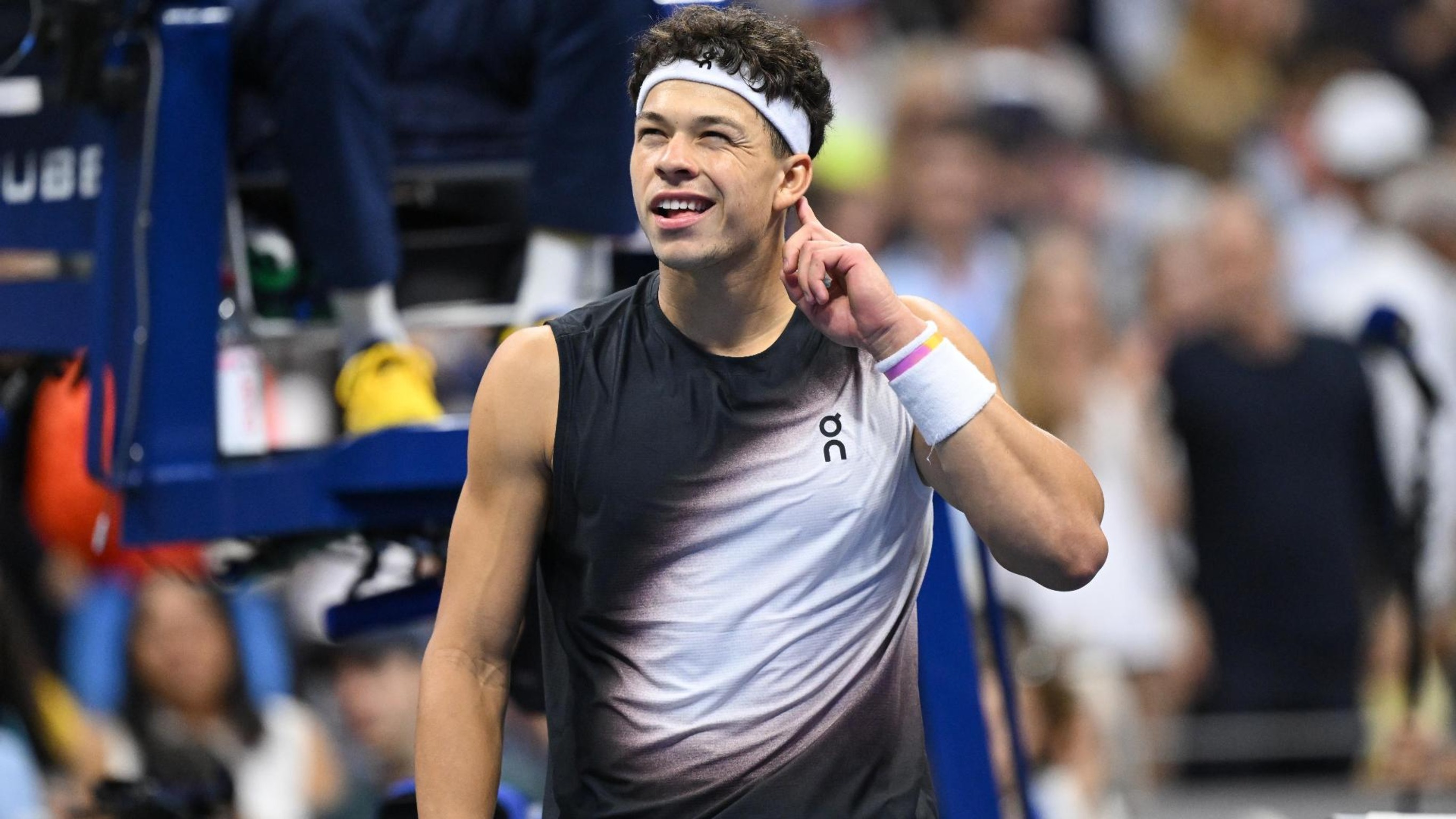
Carlos Alcaraz had never lost to an American man at a Grand Slam. Ben Shelton fixed that at 3:33 in the morning, closing out a 6-7, 6-1, 6-3, 1-6, 7-6 win that ended the defending champion's 18-match winning streak in majors and guaranteed the US Open will crown an American finalist for the first time since 2003.
That last part matters more than the scoreline. Shelton now plays fellow American Frances Tiafoe in the semifinal, meaning one of them reaches Sunday's final regardless of what happens anywhere else in the draw.
A specific kind of statement win
Beating a defending champion is one thing. Beating one who had never lost to an American man on this stage, in a match that stretched four hours and 28 minutes, is a different category of result. Alcaraz came in still working back from a four-month wrist injury layoff, and Shelton didn't just outlast him. He out-hit him at the end, closing the match with a 146 mph ace that Alcaraz couldn't get back.
Shelton trailed 3-5 in the deciding tiebreak before winning four straight points to finish it. That's not survival tennis. That's a player who found his best serving at the exact moment the match demanded it.
Why 23 years is the number that matters here
American men haven't won a major since Andy Roddick's 2003 US Open title. That drought has swallowed entire careers and outlasted several supposed "next great hopes." Every deep American run at a Slam since has carried some version of this same question attached to it: is this the generation, or another false alarm.
Shelton and Tiafoe reaching the same semifinal simultaneously changes the shape of that question. It's not one American carrying the hope alone. It's two, guaranteeing a finalist before either of them has to survive the other.
What Shelton actually showed under pressure
The version of Shelton that closed this match out doesn't fully match the raw-power-and-rough-edges reputation that's followed him through his career so far. He lost the first set in a tiebreak, then dropped the fourth set 6-1 after Alcaraz found a spell of vintage form. A player prone to unraveling doesn't recover from that kind of momentum swing to win a fifth-set breaker.
That composure, layered on top of a serve that can already hurt anyone in the draw, is what separates a genuinely dangerous American contender from a talented one who occasionally has a good week.
The part that still has to happen
None of this guarantees Shelton or Tiafoe actually wins the title. One of them has to beat the other first, and whoever survives still has a final to play against whatever's left of the draw. Grand Slam droughts have a habit of surviving near-misses, and American men's tennis has produced promising semifinalists before without closing the deal.
But a guaranteed American finalist, produced by beating the reigning champion along the way, is a genuinely different starting point than the near-misses this generation has produced before.
Twenty-three years is a long time to wait. Does Shelton beating Alcaraz this specific way finally feel like the moment American men's tennis stops almost arriving and actually gets there?

Sarajevo Back at the Heart of Regional MMA: SFC Returns with Explosive Matchups

How Buzzer Karma Works: Levels, Penalties, and What They Mean

Inside Buzzer's Latest Update (and Why It Changes How You Use the App)

Buzzer Introduces Ads Console: A New Era of Advertising Across the Entire Buzzer Ecosystem

Buzzer Is Evolving: From Quantity to Quality

Buzzer Now Has a Games Hub, and Tournaments Are Coming

Polo Al Taco Expands Its Global Reach Through Weekly Livestreams on Buzzer Arena TV

Al Ittihad SC's Matches Are Now Live on Buzzer

Palm City vs Gulf United Ends in 1–1 Draw in UAE Second Division League Clash

"We Don't Take the Guy With the Camera." He Built His Own Club Anyway. Now He's Coming to Find You.


