





 0
F1 Promised Its Biggest Rule Change in Decades Would Shake Up the Grid. Did It Actually Work?
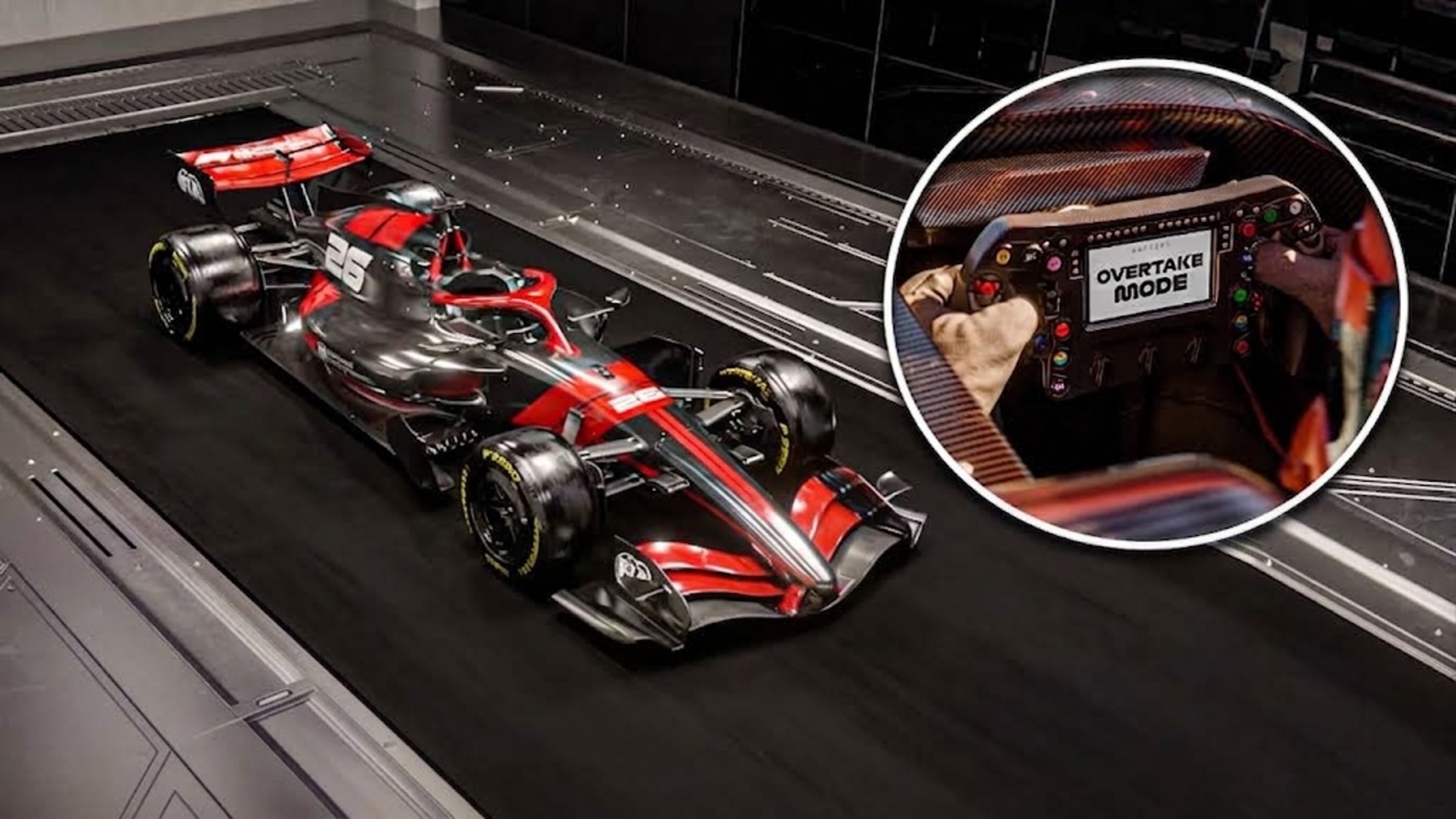
Formula 1 entered 2026 with what team principals and drivers alike called the sport's most dramatic regulation overhaul in a generation: smaller, lighter cars, a completely reworked power unit built around 50 percent electric power, and active aerodynamics designed specifically to close gaps and encourage overtaking. Max Verstappen, never shy about criticism, called the early results "anti-racing" and compared the cars to "Formula E on steroids."
That's a genuinely harsh review from a four-time world champion. Whether the season that's actually unfolded since backs up his complaint, or whether the regulations delivered the unpredictability they were designed to create, depends on which specific promise you're measuring against.
What the rules were actually supposed to fix
F1's previous regulatory era had reached what officials described as competitive stasis, cars so aerodynamically optimized that meaningful overtaking without DRS assistance had become genuinely rare, and one team's early-cycle advantage tended to compound across multiple seasons before the next reset arrived. The 2026 rules targeted that specific problem: less aerodynamic dependency, more emphasis on driver-managed energy deployment, a genuine technical reset meant to prevent any single team's advantage from calcifying.
On that specific metric, the season has delivered exactly what was promised. Kimi Antonelli, a 20-year-old in his second full season, currently leads the championship for a team, Mercedes, that wasn't the pre-season favorite. McLaren, Aston Martin and other midfield squads have closed gaps to the traditional front-runners more than pre-season predictions suggested they would.
What the rules didn't fully solve
The energy management system Verstappen criticized has produced genuinely strange in-race moments: drivers losing significant power mid-corner as the battery recharges, sometimes reducing them to roughly half their available horsepower at exactly the wrong moment, catching following cars off guard. That's not the kind of unpredictability regulators were chasing. It's closer to an engineering side effect nobody fully anticipated, serious enough that F1 and the FIA convened a mid-season commission specifically to smooth out the worst of it.
That correction itself is telling. A regulation package requiring emergency revision months into its debut season isn't a clean, uncomplicated success story, whatever the championship standings might suggest about competitive parity.
Weighing genuine unpredictability against genuine frustration
The championship table shows real competitive shake-up: a young driver leading, multiple teams within range of race wins, genuine uncertainty about who wins the title with eight rounds still to run. The driver feedback shows real frustration: cars widely described as harder to drive, less rewarding, and occasionally unpredictable in ways that feel more like a technical flaw than a deliberate competitive mechanism.
Both of those things are true simultaneously, which is precisely why this season resists a simple verdict.
Did F1's biggest regulatory reset in decades actually deliver the type of unpredictability regulators wanted, or did it just trade one kind of predictability, aerodynamic dominance, for a different kind of frustration, drivers fighting an engineering compromise nobody fully solved before the season started?

Sarajevo Back at the Heart of Regional MMA: SFC Returns with Explosive Matchups

How Buzzer Karma Works: Levels, Penalties, and What They Mean

Inside Buzzer's Latest Update (and Why It Changes How You Use the App)

Buzzer Introduces Ads Console: A New Era of Advertising Across the Entire Buzzer Ecosystem

Buzzer Is Evolving: From Quantity to Quality

Buzzer Now Has a Games Hub, and Tournaments Are Coming

Al Ittihad SC's Matches Are Now Live on Buzzer

Palm City vs Gulf United Ends in 1–1 Draw in UAE Second Division League Clash

"We Don't Take the Guy With the Camera." He Built His Own Club Anyway. Now He's Coming to Find You.

Building the Infrastructure Sports Tech Forgot


 1


