





 0
22 Months Out, 15 Minutes Back, Mykhailo Mudryk Gets Injured Again.
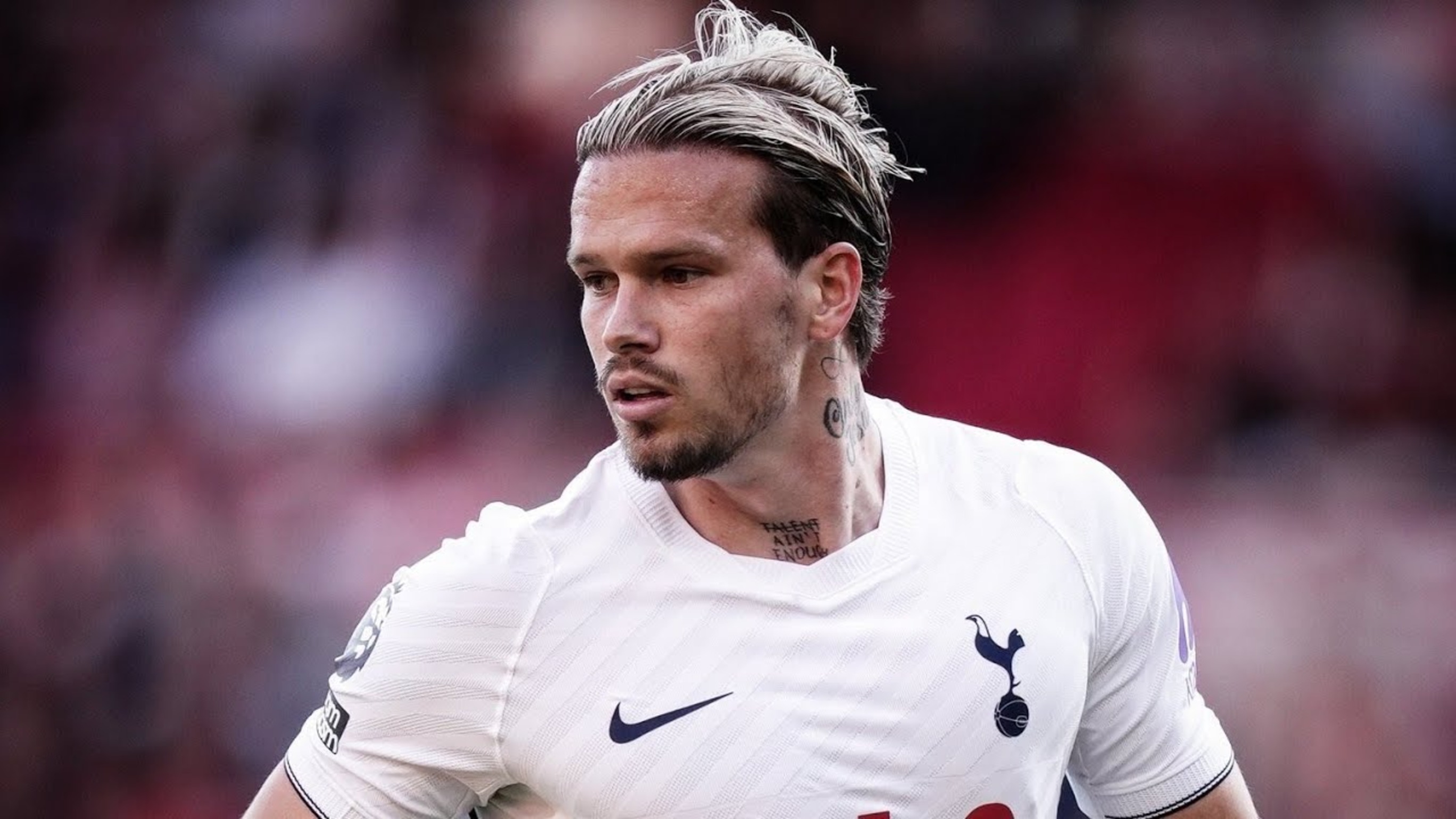
Mykhailo Mudryk waited 22 months to play a competitive match again. He got 15 minutes off the bench against Nottingham Forest on his season-long loan debut for Tottenham. Days later, he suffered an ankle injury in training that will keep him out for six to eight weeks.
Why the timing is almost too on the nose
Mudryk served a doping suspension for an adverse finding of meldonium, a ban originally set at four years by the Football Association before being reduced following an agreement between the FA and the World Anti-Doping Agency. He joined Tottenham on deadline day, made his long-awaited debut, and De Zerbi himself called what happened next "a stupid injury," an entirely ordinary training ground incident that wouldn't make headlines for most players.
For Mudryk, it does, because it lands on a body that's just come off nearly two years without competitive minutes. De Zerbi was blunt about the connection: "It's in the normal process when one player doesn't play for a long time." Not a freak accident unrelated to the layoff. A consequence of it.
What a long absence actually does to an athlete's body
Match fitness isn't the same as general fitness, and this is where a lot of comeback stories get the physiology wrong. An athlete out for nearly two years can run, lift, and train at full intensity in a controlled gym environment while still lacking the specific muscular and tendon conditioning that only comes from repeated sudden direction changes, sprints, and contact under match pressure.
Ankles, hamstrings and calves take the brunt of this gap because they're loaded in ways a structured training program can't fully replicate. It's a pattern that shows up again and again across sport, an athlete returns from a long absence, looks sharp in limited minutes, then picks up an unrelated soft-tissue injury within their first few appearances back.
The part that's harder to measure than fitness
There's also a psychological layer that doesn't show up on any fitness test. Confidence, rhythm, the instinct to commit fully to a tackle or a sprint without hesitation, all of it tends to lag behind physical readiness after a long layoff, whether that layoff comes from injury, suspension, or both combined. Mudryk played well in his 15 minutes, by De Zerbi's account. Playing well isn't the same as being fully back.
His absence now likely rules him out of Ukraine's Nations League opener against Hungary on September 25, adding a second consequence on top of Tottenham's own injury list.
For Tottenham, the calculation is now different too. The club didn't bring Mudryk in simply to fill a squad place; it invested in a player who needs a gradual return to competitive football. Six to eight weeks out means that process has effectively been reset almost as soon as it began.
Is there anything a club can realistically do to shorten this kind of adjustment period, or is losing a returning player to a fresh injury simply the cost of any comeback this long, no matter how carefully it's managed?

Sarajevo Back at the Heart of Regional MMA: SFC Returns with Explosive Matchups

How Buzzer Karma Works: Levels, Penalties, and What They Mean

Inside Buzzer's Latest Update (and Why It Changes How You Use the App)

Buzzer Introduces Ads Console: A New Era of Advertising Across the Entire Buzzer Ecosystem

Buzzer Is Evolving: From Quantity to Quality

Buzzer Now Has a Games Hub, and Tournaments Are Coming

Polo Al Taco Expands Its Global Reach Through Weekly Livestreams on Buzzer Arena TV

Al Ittihad SC's Matches Are Now Live on Buzzer

Palm City vs Gulf United Ends in 1–1 Draw in UAE Second Division League Clash

"We Don't Take the Guy With the Camera." He Built His Own Club Anyway. Now He's Coming to Find You.


 1


