





 1
The Sports Rules Fans Constantly Get Wrong
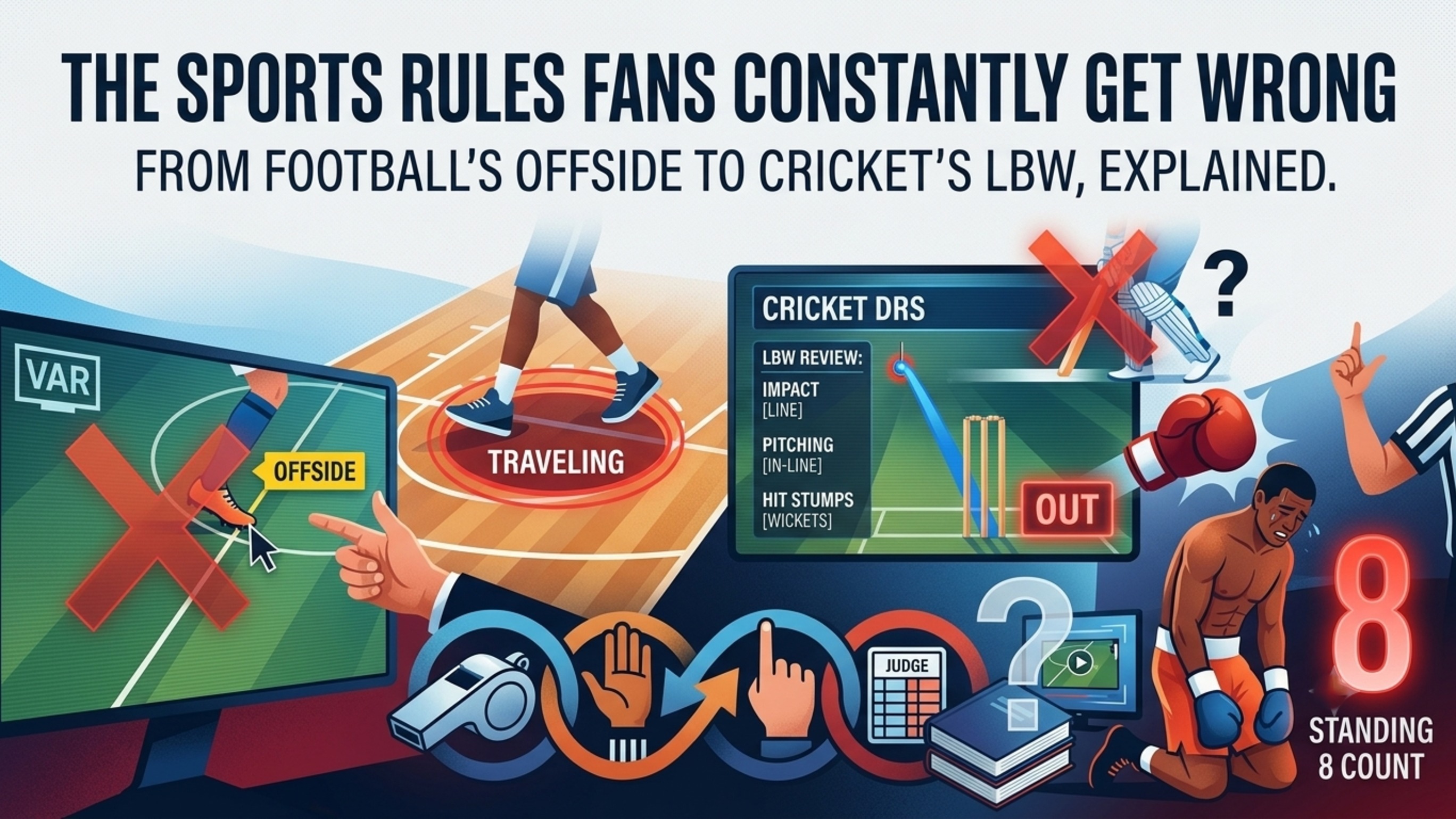
Every sport has that one rule fans will argue about for twenty minutes despite it being written in plain language in the actual rulebook. It's rarely that the rule is complicated. It's that yelling about it is more fun than reading it.
Football's Advantage Rule
Take the advantage rule in football. Commentators love saying the referee "played advantage" like it's a mystical judgment call, but the actual rule is simple.
If a foul happens and the fouled team still has a good chance to keep or gain possession, the referee lets play continue instead of stopping for a free kick. If the advantage doesn't materialize within a few seconds, the referee can still go back and award the original foul. That's it. No hidden clause, no vibes based scoring. Just a practical tool so games don't stop every time someone gets clipped.
Basketball's Traveling Confusion
Basketball's traveling rule causes even more confusion, partly because NBA officiating has gotten looser about calling it, which makes fans think the rule changed. It hasn't. A player is allowed a certain number of steps after they stop dribbling before they have to shoot, pass, or pick up their dribble again, and the pivot foot has to stay planted once established.
What's changed is enforcement, not the law itself, and that gap between rule and referee is exactly what fuels every "that's a walk" argument on social media.
Cricket's Most Feared Law
Cricket's LBW law might be the most feared rule in sport for casual viewers, but it boils down to three questions. Would the ball have hit the stumps? Did it hit the batter's leg or body before the bat? And was the ball not pitching outside leg stump? If all three line up, the batter is out leg before wicket.
DRS technology now checks all of this with tracking cameras, which is exactly why LBW reviews have become some of the most dramatic moments in the sport, because for the first time fans get to watch the physics play out on screen instead of trusting the umpire's gut.
Boxing's Standing Eight Count
Boxing's standing eight count causes its own confusion because people assume it only applies to knockdowns. It doesn't. A referee can call a standing eight count on a fighter who's clearly hurt but still on their feet, pausing the action to check if they're fit to continue. It was introduced in the early 1980s following the death of boxer Kim Duk-koo, a rule born directly out of tragedy rather than tactics.
There's a pattern in why fans specifically get these rules wrong rather than others. Offside in football, traveling in basketball, LBW in cricket, and the standing eight count in boxing all share one trait: they require the official to make a judgment inside a fraction of a second, based on positioning or timing that television replays can dissect far more slowly than the human eye watching live.
Slow motion cameras and DRS reviews have actually made fans more confident in arguing, not less, because now everyone has seen a freeze frame that seems to settle the debate instantly, even when the live decision genuinely had to be made in real time without that luxury. The rule didn't get harder. The audience just got a much better seat.
None of these rules are actually hard to understand. What's hard is admitting that the ref was right and you were just watching too fast. Which rule are you most guilty of still getting wrong?

Sarajevo Back at the Heart of Regional MMA: SFC Returns with Explosive Matchups

How Buzzer Karma Works: Levels, Penalties, and What They Mean
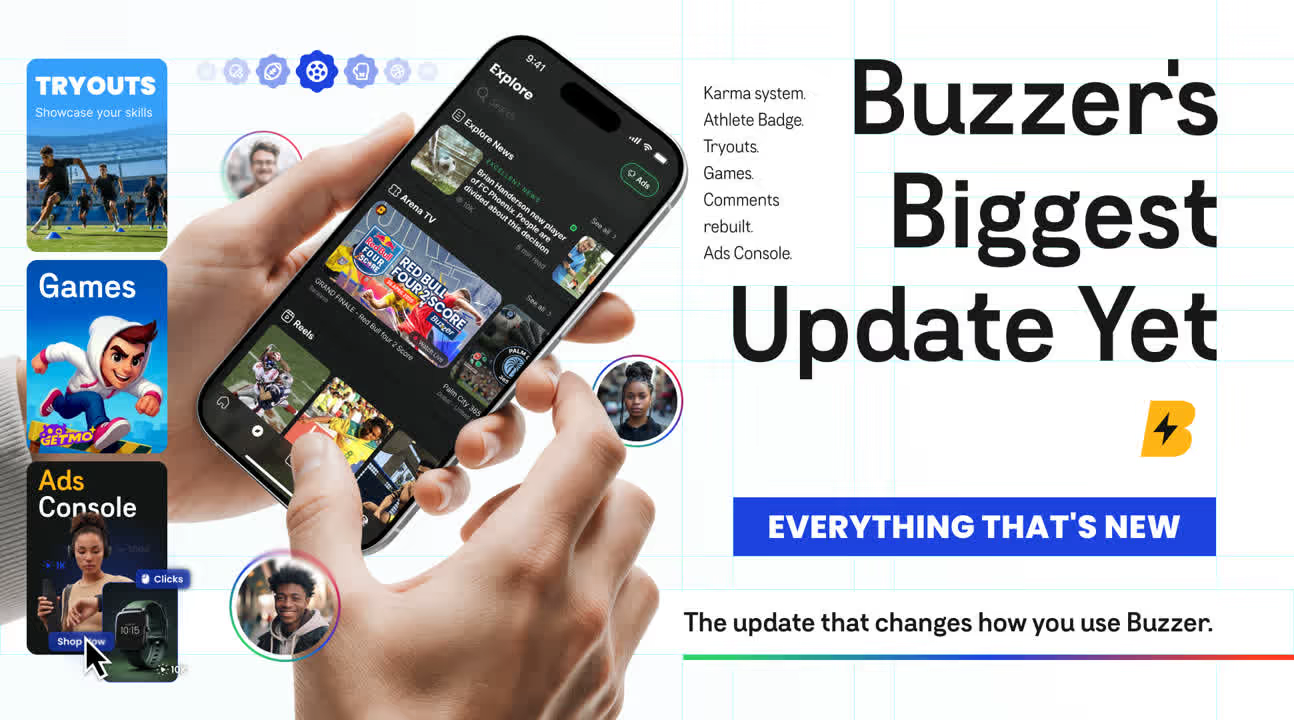
Inside Buzzer's Latest Update (and Why It Changes How You Use the App)

Buzzer Introduces Ads Console: A New Era of Advertising Across the Entire Buzzer Ecosystem

Buzzer Is Evolving: From Quantity to Quality

Al Ittihad SC's Matches Are Now Live on Buzzer

Polo Al Taco Expands Its Global Reach Through Weekly Livestreams on Buzzer Arena TV

Buzzer Now Has a Games Hub, and Tournaments Are Coming

Palm City vs Gulf United Ends in 1–1 Draw in UAE Second Division League Clash

"We Don't Take the Guy With the Camera." He Built His Own Club Anyway. Now He's Coming to Find You.


 1


