





 0
Marc Marquez Finally Won His Title Back. Defending It Might Be Harder.
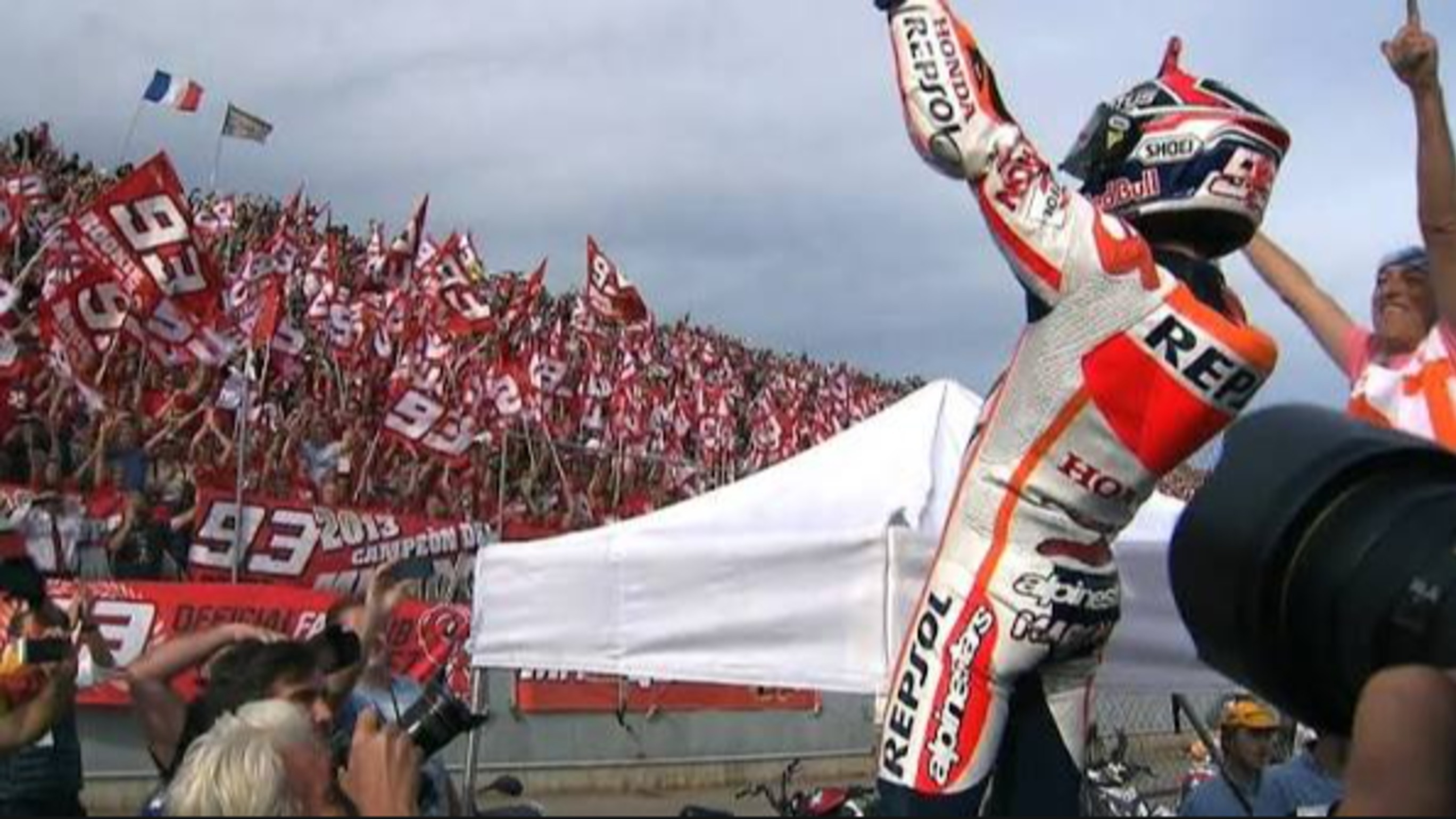
Marc Marquez waited 2,184 days between MotoGP titles. He won it back at Motegi in September 2025 with five rounds still to spare, then stood in front of a big screen and watched a highlight reel of his own crashes with tears running down his face. That part of the story is finished. The next part isn't going nearly as smoothly.
Six years is a long time to be the best rider on the grid without a trophy to prove it. Four operations, more than a hundred crashes, a Honda exit that looked like career suicide at the time. When he finally got there, it felt less like a comeback and more like a correction, the sport reverting to its natural order.
The body remembers everything
2026 has been a different fight entirely. Marquez came into the season still working back from surgery, and the fatigue shows in ways that stats don't always capture. At one point this year he was around 40 points behind the championship leader, a gap that would have been unthinkable for peak Marquez on peak machinery.
He's talked openly about needing to ride conservatively, protecting his body from a knock that could end things for good. At Ducati's Race of Champions, he qualified twelfth, two seconds off the pace, a level of caution one writer called something never seen before from him.
The bike isn't the problem this time
Here's what makes this season strange. Marquez himself has said the GP26 is good enough to win the title, that it's on the riders to catch up to what the machine can do. That's a sentence you rarely hear from the most dominant rider of his generation, because usually the bike is the excuse, not the rider.
Ducati clearly still believes in him. They extended his contract through 2028 in June, tying their MotoGP program to a rider whose body has been rebuilt more times than most people's houses. That's either total confidence or a very expensive bet on recovery.
Wins under pressure hit different
What's kept him in the fight is that when healthy enough, he still delivers. A win in Hungary earlier this year briefly cut into the deficit and reminded everyone why Ducati signed him in the first place. It's the same pattern from his Honda years: mortal on a normal weekend, terrifying when it actually matters.
But there is another layer to this comeback. Marquez is no longer simply trying to beat younger riders; he is trying to convince his own body that it can survive the demands of being Marc Marquez. Every aggressive overtake carries a calculation that didn't exist before the injuries. Every crash has consequences beyond losing championship points, because another major setback could change the rest of his career.
That makes his 2026 campaign more than a title chase. It is a test of whether experience, intelligence and extraordinary talent can compensate for physical limits that even one of MotoGP's greatest riders cannot completely escape.
The question is whether that's sustainable across a full season, or whether it's a rider managing decline with flashes of brilliance stitched in between.
Is Marquez still the best rider in MotoGP having an unlucky year, or is 2025 the last time we see him at full strength?

Sarajevo Back at the Heart of Regional MMA: SFC Returns with Explosive Matchups

How Buzzer Karma Works: Levels, Penalties, and What They Mean

Inside Buzzer's Latest Update (and Why It Changes How You Use the App)

Buzzer Introduces Ads Console: A New Era of Advertising Across the Entire Buzzer Ecosystem

Buzzer Is Evolving: From Quantity to Quality

Buzzer Now Has a Games Hub, and Tournaments Are Coming

Polo Al Taco Expands Its Global Reach Through Weekly Livestreams on Buzzer Arena TV

Al Ittihad SC's Matches Are Now Live on Buzzer

Palm City vs Gulf United Ends in 1–1 Draw in UAE Second Division League Clash

"We Don't Take the Guy With the Camera." He Built His Own Club Anyway. Now He's Coming to Find You.


