





 0
Visa Just Changed How Rugby Gets Sponsored. Is the Rest of Sport Next?
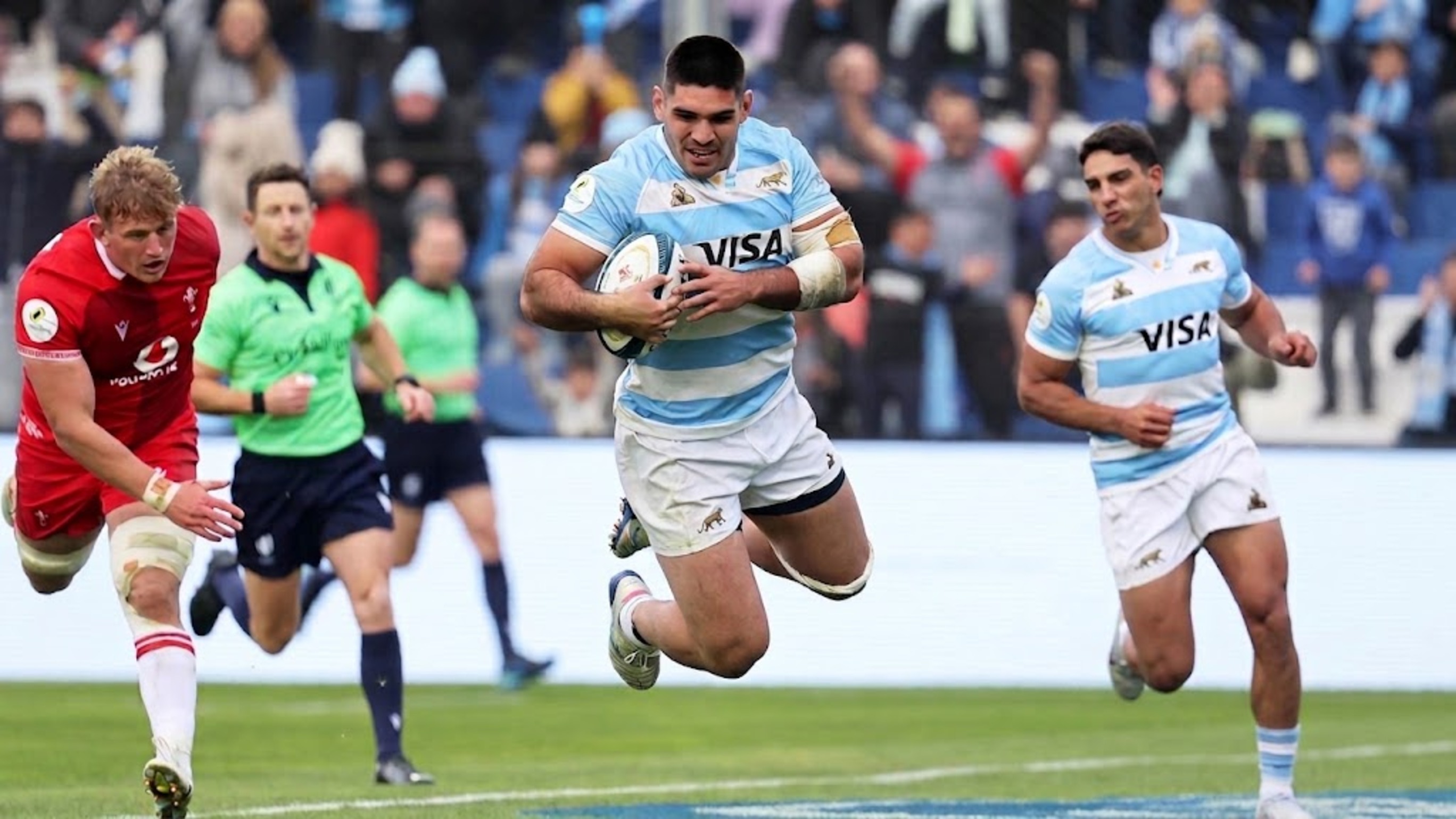
Visa's return to rugby as Principal Partner for both the 2027 men's and 2029 women's World Cups is one deal. It's also part of a much larger, genuinely consistent pattern: major global brands increasingly structuring their biggest sports sponsorships to explicitly cover men's and women's competitions together, treating them as a single commercial package rather than two separately weighted products.
That shift matters more broadly than any single sport's individual sponsorship news, because it reflects how brands are actually recalibrating where they believe genuine commercial value in sport currently sits.
Why "combined" deals are replacing "women's-specific" ones
Rugby's previous major sponsor in this space, Mastercard, structured its involvement specifically around the women's tournament as a standalone product, part of an earlier era's approach to supporting women's sport: separate rights, separate sponsorship packages, treated distinctly from the men's commercial ecosystem. Visa's new deal, explicitly covering both the men's and women's tournaments under one combined agreement with what World Rugby describes as "equal focus" on growing both, represents a genuinely different commercial philosophy.
That shift from separate to combined isn't unique to rugby. Brands across multiple sports have increasingly moved toward bundling men's and women's sponsorship rights together, a signal that women's sport has crossed some threshold where it no longer needs to be pitched as a standalone charitable or goodwill investment, but can instead be sold as part of the same core commercial proposition as the men's game.
What's actually driving that recalibration
Genuine audience and broadcast data across multiple sports, women's football's Champions League doubling its viewership, women's cricket setting broadcast records, women's basketball's growing international competitiveness, has given brands real evidence that women's sport commands audiences and engagement large enough to justify inclusion in a primary sponsorship package rather than a supplementary one. That evidence is what's actually shifting deal structures, not simply changing social attitudes in isolation.
Rugby's specific version of this pattern, Visa's combined deal covering both 2027 and 2029, reflects World Rugby's own confidence that it can sell both products as equally commercially serious, a confidence that wouldn't have been credible for most sports' sponsorship negotiators a decade ago.
Where this trend goes from here
If combined sponsorship deals genuinely continue outperforming the older, separated model across enough sports and enough sponsorship cycles, expect the "women's-specific sponsorship" structure to become increasingly rare, replaced by exactly the kind of unified deal Visa just signed. That would mark a genuine structural shift in how women's sport gets commercially valued, from a separate, smaller product to an integrated part of a sport's primary commercial pitch.
Is this shift toward combined men's-and-women's sponsorship deals genuine evidence that brands now see equal underlying commercial value in both products, or is it still, functionally, a bet on where that value is heading rather than confirmation it's already fully arrived?

Sarajevo Back at the Heart of Regional MMA: SFC Returns with Explosive Matchups

How Buzzer Karma Works: Levels, Penalties, and What They Mean

Inside Buzzer's Latest Update (and Why It Changes How You Use the App)

Buzzer Introduces Ads Console: A New Era of Advertising Across the Entire Buzzer Ecosystem

Buzzer Is Evolving: From Quantity to Quality

Buzzer Now Has a Games Hub, and Tournaments Are Coming

Polo Al Taco Expands Its Global Reach Through Weekly Livestreams on Buzzer Arena TV

Al Ittihad SC's Matches Are Now Live on Buzzer

Palm City vs Gulf United Ends in 1–1 Draw in UAE Second Division League Clash

"We Don't Take the Guy With the Camera." He Built His Own Club Anyway. Now He's Coming to Find You.


 1


