

 0
0
India Just Fired Its T20 Captain Mid-Cycle, and the Reason Says Something Bigger About Cricket Today
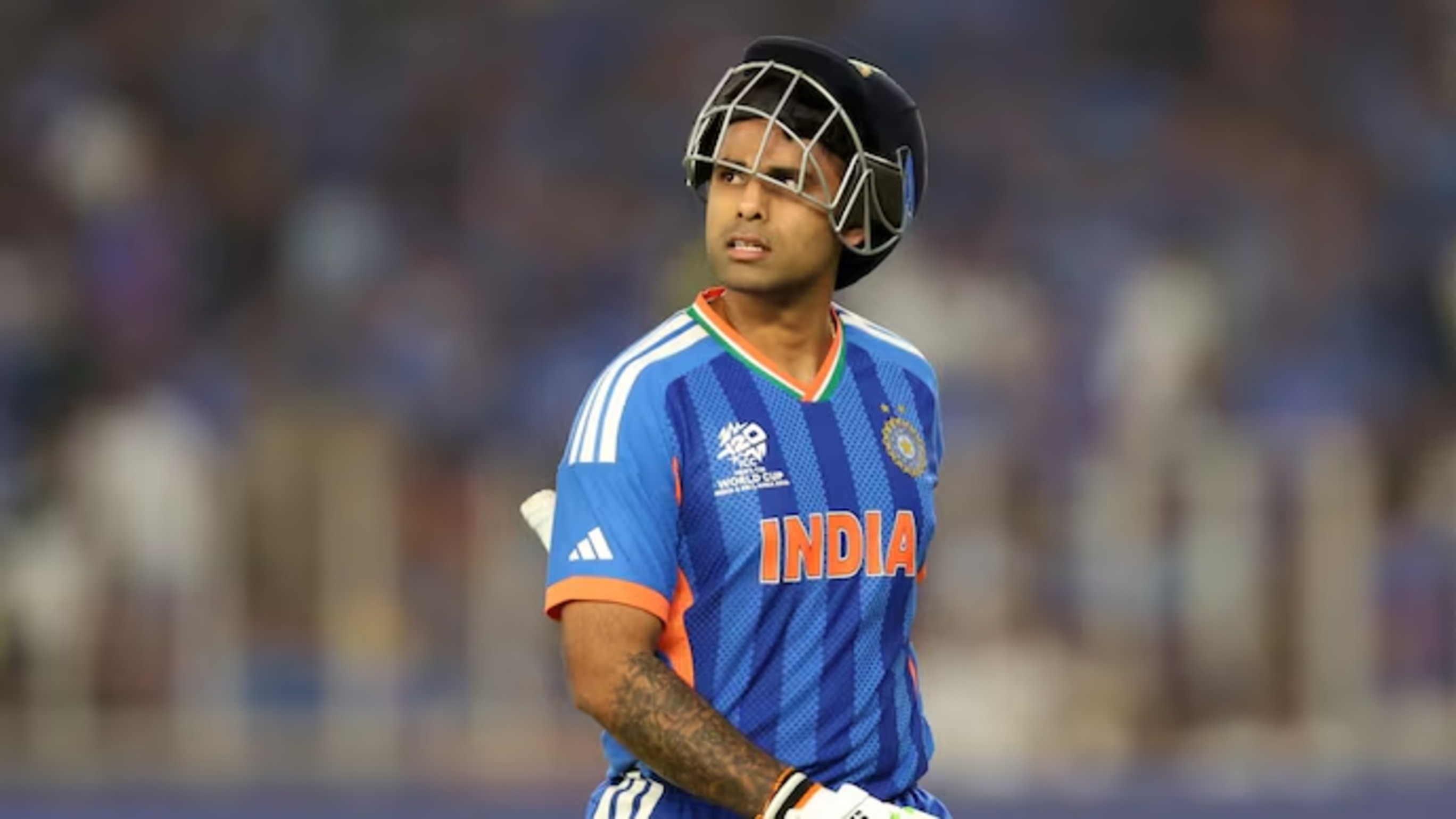
Suryakumar Yadav is being replaced as India’s T20I captain ahead of the 2026 Asian Games. Shreyas Iyer is taking over. The move comes despite Yadav having led India to a T20 World Cup title, a genuinely rare thing for any captain to have on his resume. The stated reason is simple: his batting form has been poor, not his leadership or tactics.
That difference matters more than it might sound. India’s selection committee, led by Ajit Agarkar, is drawing a hard line between how well someone captains and how well they’re currently performing with the bat, deciding that a slump with the bat outweighs whatever leadership value a captain brings, even one with a world title already won.
Not every cricket nation thinks this way, but more and more teams are choosing fast results over patience with a proven leader going through a rough stretch.
The change also comes with a clear push toward youth. Selectors have talked up 15-year-old Vaibhav Sooryavanshi, who had a huge IPL 2026 season, finishing with 776 runs and winning the tournament’s award for top run-scorer. Bringing a player that young into senior team conversations, alongside a captaincy change, sends a clear message about where India’s selectors want this T20 team heading: faster, younger, less tied to what players have already achieved.
This kind of sudden captaincy change isn’t just an India thing. International cricket teams increasingly make leadership changes based on short slumps rather than waiting out a full cycle, reflecting both the packed modern T20 calendar and the intense scrutiny that comes from having nearly every match broadcast and picked apart in real time. A captain who struggles with the bat for even a few matches now faces pressure that used to take a whole season to build.
Selectors have also pointed to Iyer’s own strong recent white-ball form as part of the reasoning, framing the change as promoting in-form leadership rather than purely reacting to Yadav’s struggles alone.
Iyer takes over a genuinely talented squad heading into the Asian Games, running in Japan from September 17 to October 3, with matches at Korogi Athletic Park in Aichi Prefecture.
How he handles the change, and whether removing Yadav turns out to be the right call or an overreaction to a short slump, will shape how people talk about India’s selection approach heading into the next big T20 tournament. Either way, the message is clear: in cricket right now, a title alone doesn’t buy a captain unlimited patience once his form drops.
This kind of decision also tends to get judged twice, once immediately and once months later once results actually come in. If Iyer leads India smoothly through the Asian Games and beyond, the change will be remembered as a smart, decisive call by selectors willing to prioritize form over reputation. If the transition gets bumpy, the same decision will likely be replayed as an example of a board moving too fast on a captain who had already delivered a world title. Cricket has a long memory for exactly this kind of second-guessing.