





 0
MotoGP Is Bringing Argentina Back. Why Do Certain Countries Keep Getting a Second Chance?
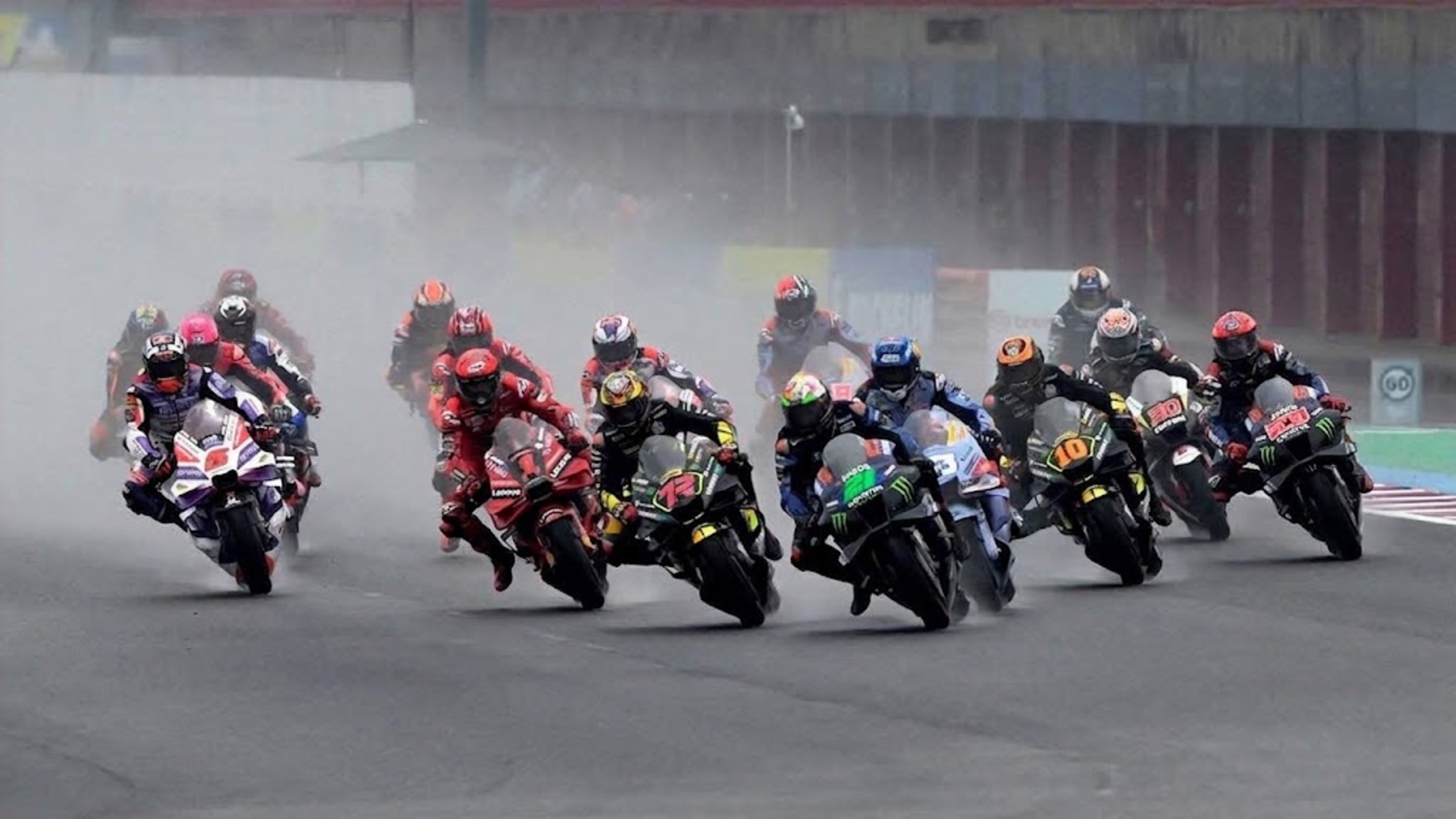
Argentina is getting its Grand Prix back after a one-year gap, and the venue tells you almost everything about how MotoGP decides which countries are worth the effort of returning to.
The new home is the Autódromo Oscar y Juan Gálvez, just outside Buenos Aires, a circuit that last hosted a motorcycle Grand Prix in 1999 and is now undergoing a full renovation to bring it up to modern standards. It replaces Termas de Río Hondo, a venue over a thousand kilometres from the capital that had run the race since 2014, aside from pandemic and flooding cancellations. Dorna CEO Carmelo Ezpeleta called the move a chance to put MotoGP "close to the heart of Buenos Aires," a flagship location not just for Argentina but for South America as a whole.
Crowds that outgrow their venue
The subtext there is worth pulling out on its own. Argentina hasn't lacked for fans. Recent editions of the race at Termas drew record crowds, with supporters travelling long distances from across the country and the wider region to be there. That passion is exactly why officials expect roughly 150,000 fans at the Buenos Aires venue once it reopens, a number a smaller, more remote circuit was never going to hit no matter how loyal its audience.
That's the pattern behind almost every venue swap or return on MotoGP's calendar. It's rarely about whether a country loves the sport. It's about whether the existing infrastructure can turn that love into the kind of crowd, and the kind of broadcast image, that justifies the cost of showing up.
A second South American round, not just a swap
What makes Argentina's return more interesting than a simple relocation is what's happening alongside it. Brazil is also working toward a comeback, racing at the Ayrton Senna circuit in Goiânia pending final approval. If both land as planned, South America moves from one round to two, a meaningful bet on a region MotoGP has historically under-served relative to how many fans actually follow the sport there.
Buenos Aires itself isn't a new discovery for motorcycle racing. The Gálvez circuit hosted Grands Prix across three separate decades before falling off the calendar, which means this isn't really an expansion into unfamiliar territory. It's MotoGP going back to a market that already proved itself generations ago and deciding the capital city, not the remote provincial track, is where that history belongs now.
What determines who gets asked back
Not every market gets this treatment. Plenty of circuits have dropped off the MotoGP calendar over the years and simply never returned, usually because attendance didn't hold up or a country's motorcycle culture never translated into ticket sales. Argentina and Brazil are getting a second look specifically because the demand side of the equation was never really in question. The supply side, stadiums, city partnerships, renovation budgets, just needed time to catch up.
Buenos Aires will find out in 2027 whether a capital-city venue actually delivers on the promise a smaller, harder-to-reach circuit couldn't. If a country's fans already show up in record numbers at a remote, inconvenient track, how much bigger does that number get once the sport finally meets them somewhere easier to reach?

Sarajevo Back at the Heart of Regional MMA: SFC Returns with Explosive Matchups

How Buzzer Karma Works: Levels, Penalties, and What They Mean

Inside Buzzer's Latest Update (and Why It Changes How You Use the App)

Buzzer Introduces Ads Console: A New Era of Advertising Across the Entire Buzzer Ecosystem

Buzzer Is Evolving: From Quantity to Quality

Buzzer Now Has a Games Hub, and Tournaments Are Coming

Al Ittihad SC's Matches Are Now Live on Buzzer

Palm City vs Gulf United Ends in 1–1 Draw in UAE Second Division League Clash

"We Don't Take the Guy With the Camera." He Built His Own Club Anyway. Now He's Coming to Find You.

Building the Infrastructure Sports Tech Forgot


