




 0
0
What Actually Happens When an Athlete Gets Drug Tested
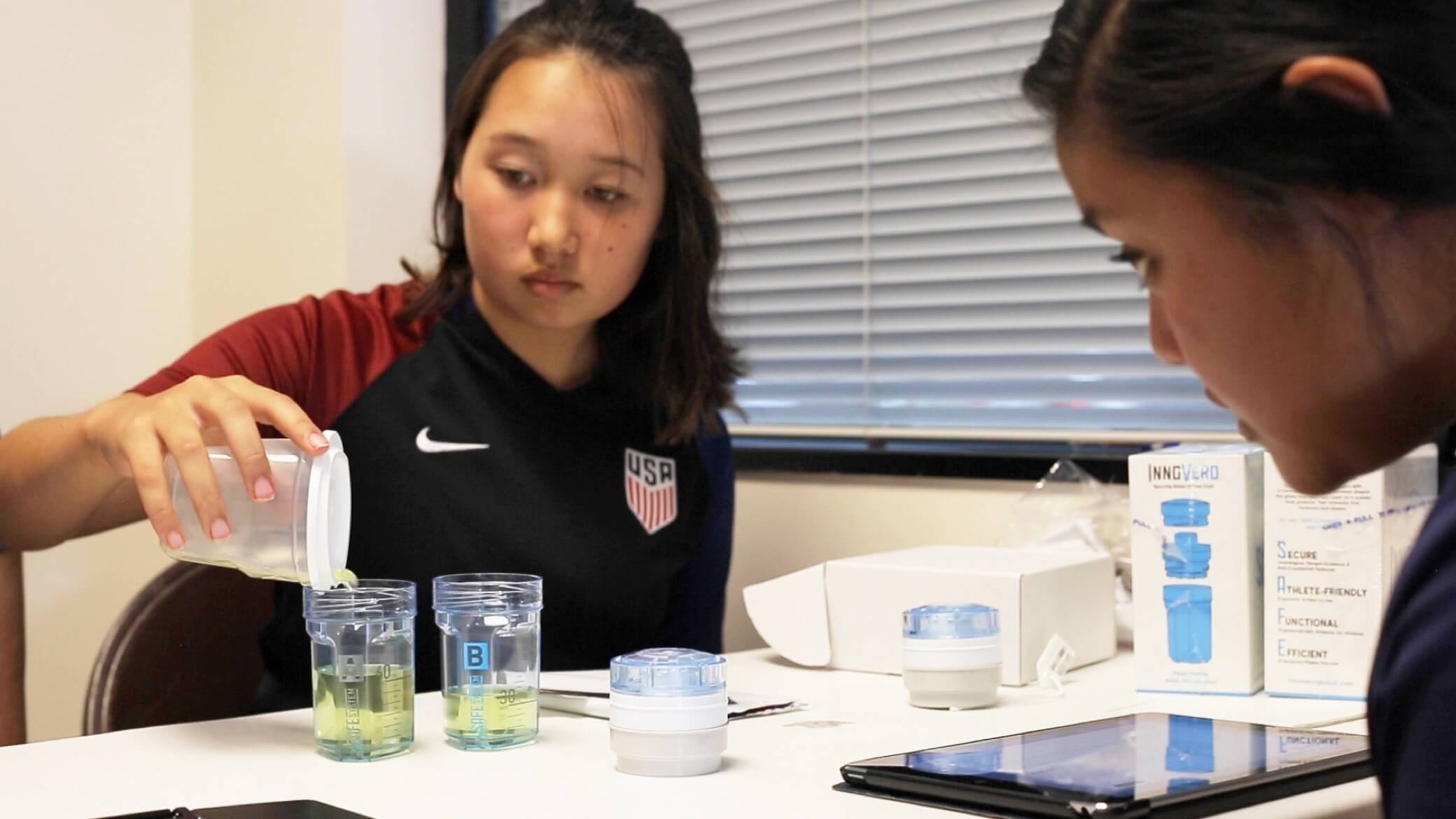
Try to picture this. You’re an elite athlete, it’s a random Tuesday off-season morning, and there’s a knock at your door before you’ve even had breakfast. No appointment. No warning. Someone’s here to watch you produce a urine sample, and if you’re not home in the exact hour you told anti-doping officials you’d be, that’s potentially a strike against you.
That’s not a dramatic exaggeration, but how the system actually works.
The whereabouts rule, explained properly
Every athlete in an international testing pool has to submit their schedule three months at a time through a system called ADAMS, run by the World Anti-Doping Agency.
For every single day in that window, they have to nominate one specific 60-minute slot, somewhere between 6am and 11pm, where they guarantee they’ll be at a specific location and available to be tested.
Travel plans, hotel addresses, even door codes to get into a private property, all of it gets logged. Miss that window three times within a rolling twelve-month period, and it counts as a violation, treated the same as an actual failed drug test for disciplinary purposes. A cancelled flight, a broken-down car, an emergency that pulls you away from home at the wrong moment, any of that can put your career in genuine jeopardy even if you’ve never touched a banned substance in your life.
Riders’ unions in cycling have openly said some athletes would rather wear a GPS tracker permanently than keep dealing with this system as it currently stands. That tells you something about how burdensome it’s become.
The Biological Passport is even stranger
Beyond direct testing for banned substances, there’s a second layer most fans have never heard of: the Athlete Biological Passport. Instead of hunting for a specific drug in your system, it tracks your own blood values over time, building an individual baseline unique to you, and flags anything that drifts outside your normal range.
If your hemoglobin or red blood cell levels swing in a way that doesn’t match a normal explanation, a panel of independent experts reviews the case. Sometimes there’s a legitimate medical reason. Sometimes there isn’t, and that becomes the basis for a doping charge, even without a single substance ever showing up directly in a sample.
It’s essentially profiling your body instead of catching a specific chemical red-handed. Genuinely clever from a scientific standpoint. Also genuinely unsettling if you think too hard about what it means to have your own blood treated as a permanent surveillance record.
Why this system exists despite how invasive it is
The honest answer is that anything less invasive simply hasn’t worked. Scheduled testing gets gamed easily, everyone knows roughly when the testers show up and plans accordingly. Random testing without a whereabouts system just doesn’t catch enough people, since athletes can be untraceable for stretches at a time.
So the sport traded privacy for credibility. Fans get to watch competition and mostly trust what they’re seeing is real, and in exchange, athletes give up a level of personal freedom that would seem absurd in almost any other profession on earth.
Next time a record gets broken and skeptics start asking questions in the replies, remember that the person who set it has probably been logging their exact daily whereabouts to a government-linked database for years, just to compete legally.
Would you accept that level of daily surveillance for your own job, even knowing exactly why it exists?


 1
1 


