





 0
South Korea Swept Asian Games Basketball Gold. What Happened to Japan's Home Advantage?
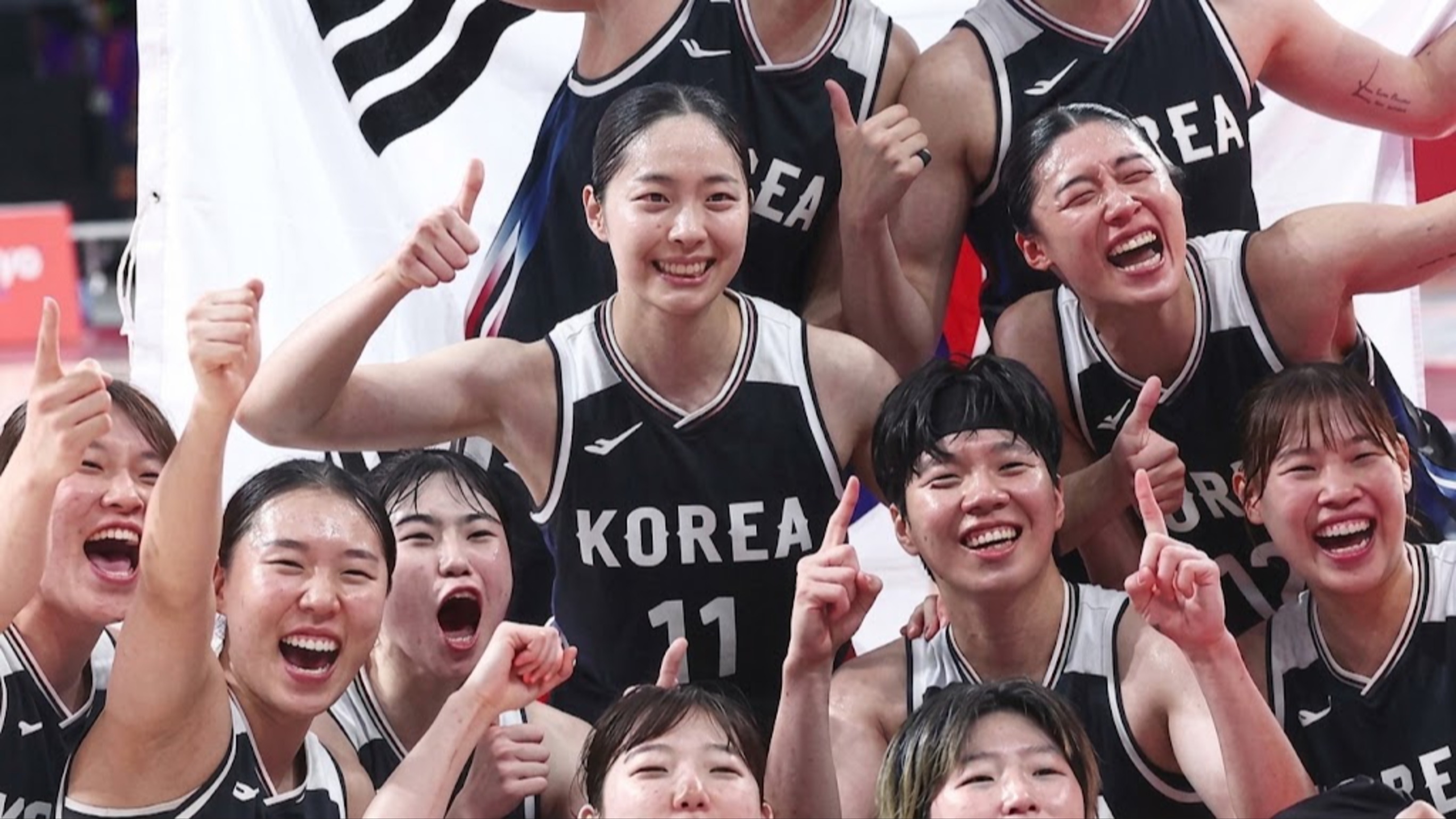
South Korea beat Japan 75-70 to win Asian Games women's basketball gold, its first women's title since 2014, and completed a full sweep of both the men's and women's basketball golds. That double is the headline. The more interesting question sits underneath it: how did Japan, playing with a genuine home continental advantage at these Games, come up short on both sides of the bracket.
A five-point final is close, but the sweep isn't
Seventy-five to seventy is a tight scoreline. Taken on its own, it reads as Japan came within a possession or two of gold. But context changes that read considerably: this wasn't an isolated near-miss; it was one half of a complete sweep by the same country across both men's and women's competition, decided in two separate finals against two separate Japanese rosters.
A single close final against a strong opponent is normal sport. A clean sweep across both brackets, with the host federation missing out on both golds, is a program-level result, not a one-game story that can be explained away by a single bad shooting night.
Why "first women's gold since 2014" actually matters
South Korea's last women's basketball gold at these Games came in 2014. That's over a decade between titles, which tells you this wasn't a dominant program simply reclaiming what it always had. It's a rebuilt program returning to the top of the podium after a real gap, and doing it in the same tournament its men's team also topped.
That timing detail turns this from "South Korea won gold" into "South Korea's basketball program, across both genders, peaked at the exact same moment," which is a much harder thing to engineer by accident than a single strong roster having one good tournament.
Two golds in one Games raises the question of depth, not just talent
Winning both brackets at once usually points to something structural rather than a lucky convergence of two good teams. It suggests a basketball development system currently producing strong depth across age groups and both genders simultaneously, which is a harder thing to build than a single standout roster. That's worth watching heading into future cycles, since programs that peak on both sides at once often have more staying power than ones riding a single golden generation.
What this means for Japan heading forward
Host nations don't automatically get easier draws or better form, but they do typically get a surge of expectation. Coming away without gold on either side, in a Games hosted on home soil, raises real questions about where Japan's basketball programs currently stand relative to the rest of Asia's contenders.
That's not a verdict on the sport dying in Japan. It's a specific, current gap between expectation and result that the federation will have to explain heading into the next continental cycle, likely under considerably more scrutiny than it faced heading into this one.
Is South Korea's basketball sweep the start of a new era at the top of Asian basketball, or a one-Games peak that happened to land on both brackets at once?

Sarajevo Back at the Heart of Regional MMA: SFC Returns with Explosive Matchups

How Buzzer Karma Works: Levels, Penalties, and What They Mean

Inside Buzzer's Latest Update (and Why It Changes How You Use the App)

Buzzer Introduces Ads Console: A New Era of Advertising Across the Entire Buzzer Ecosystem

Buzzer Is Evolving: From Quantity to Quality

Buzzer Now Has a Games Hub, and Tournaments Are Coming

Al Ittihad SC's Matches Are Now Live on Buzzer

Palm City vs Gulf United Ends in 1–1 Draw in UAE Second Division League Clash

"We Don't Take the Guy With the Camera." He Built His Own Club Anyway. Now He's Coming to Find You.

Building the Infrastructure Sports Tech Forgot


