





 0
Yemen Is Playing in the Gulf Cup. Its Football System Is Still Trying to Recover From War
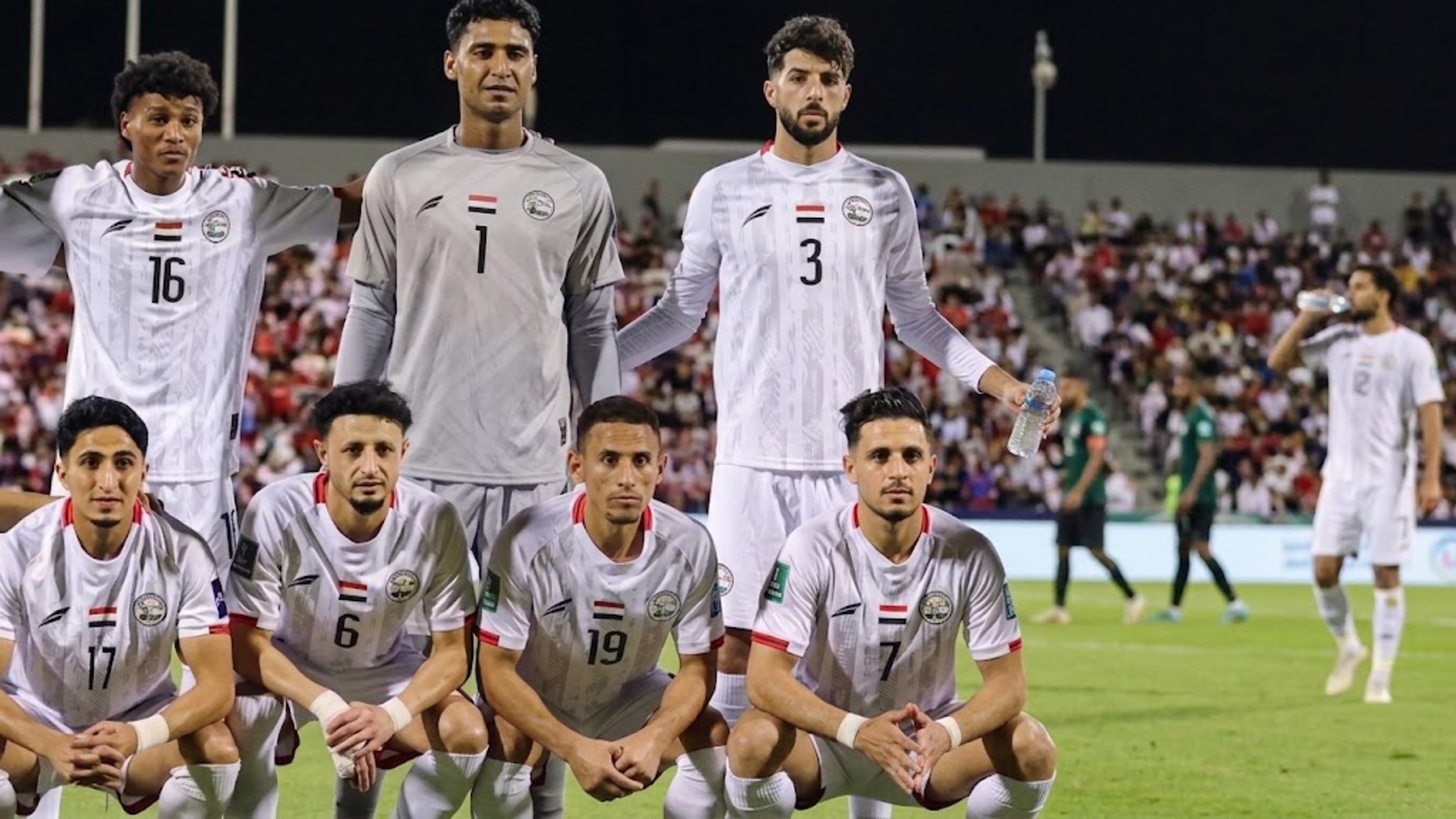
Yemen's national football team touched down in Jeddah ahead of the 27th Arabian Gulf Cup, and according to Saudi outlet Okaz, they were the first team to arrive, days before the tournament even opened on September 23.
Their first opponent: the host nation, Saudi Arabia.
A tournament most teams take for granted
For Saudi Arabia, Qatar, the UAE and the rest of the Gulf field, this tournament is a well-funded biennial fixture, backed by modern stadiums, full domestic leagues, and structured national programs. For Yemen, simply fielding a team that trains and travels together is its own achievement.
Yemen has been in a state of civil conflict since 2015, when a Saudi-led coalition intervened to fight Houthi forces, a war with an estimated death toll north of 370,000, according to Al Jazeera's reporting. A ceasefire brokered in 2022 has largely held, but the country's football infrastructure is still rebuilding almost from scratch. A domestic 14-team league only restarted in 2023, its first real season in years.
What years without a home game does to a squad
Yemen's players have gone stretches of a year and a half without an official or local match to sharpen against, relying instead on training camps hosted by Qatar and Saudi Arabia, according to the team's own federation. There's currently no realistic prospect of Yemen hosting a home match inside the country at all, given the ongoing political situation.
Czech head coach Miroslav Soukup was blunt about the gap ahead of the tournament, telling reporters, "How does a tuk-tuk compare to a Mercedes?" when comparing his squad's resources to Saudi Arabia's, according to Doha News. The comment drew criticism back home, but Soukup's larger point was about realistic expectations for a program still rebuilding basic infrastructure. Yemen is suffering from difficult circumstances, he said, and the eight years of war have affected the conditions of football directly.
The gap is visible in the preparation itself. While Saudi Arabia can build toward a tournament through a deep domestic system and regular international exposure, Yemen has had to assemble its national team around training camps abroad, limited competitive opportunities and players developing without the same football ecosystem. Every Gulf Cup match therefore doubles as something rarer: meaningful competitive minutes for a team that has spent years struggling to get them.
Why showing up is the actual story
Gulf Cup 27 runs in Jeddah from September 23 through October 6, with eight national teams competing across 15 matches. For most of the field, it's a competitive tune-up. For Yemen, arriving with a functioning squad, a full travel party, and a coach willing to speak honestly about the gap is itself a form of progress that has nothing to do with the scoreline.
Soukup said he'd be satisfied if his team lost with their heads held high. That's not the kind of ambition tournaments are usually built around. But for a program that's spent the better part of a decade fighting just to exist, it might be the most honest goal in the entire competition.

Sarajevo Back at the Heart of Regional MMA: SFC Returns with Explosive Matchups

How Buzzer Karma Works: Levels, Penalties, and What They Mean

Inside Buzzer's Latest Update (and Why It Changes How You Use the App)

Buzzer Introduces Ads Console: A New Era of Advertising Across the Entire Buzzer Ecosystem

Buzzer Is Evolving: From Quantity to Quality

Buzzer Now Has a Games Hub, and Tournaments Are Coming

Al Ittihad SC's Matches Are Now Live on Buzzer

Palm City vs Gulf United Ends in 1–1 Draw in UAE Second Division League Clash

"We Don't Take the Guy With the Camera." He Built His Own Club Anyway. Now He's Coming to Find You.

Building the Infrastructure Sports Tech Forgot


