





 0
Zimbabwe Can Finally Play At Home Again. Why Stadium Standards Matter More Than Fans Realize
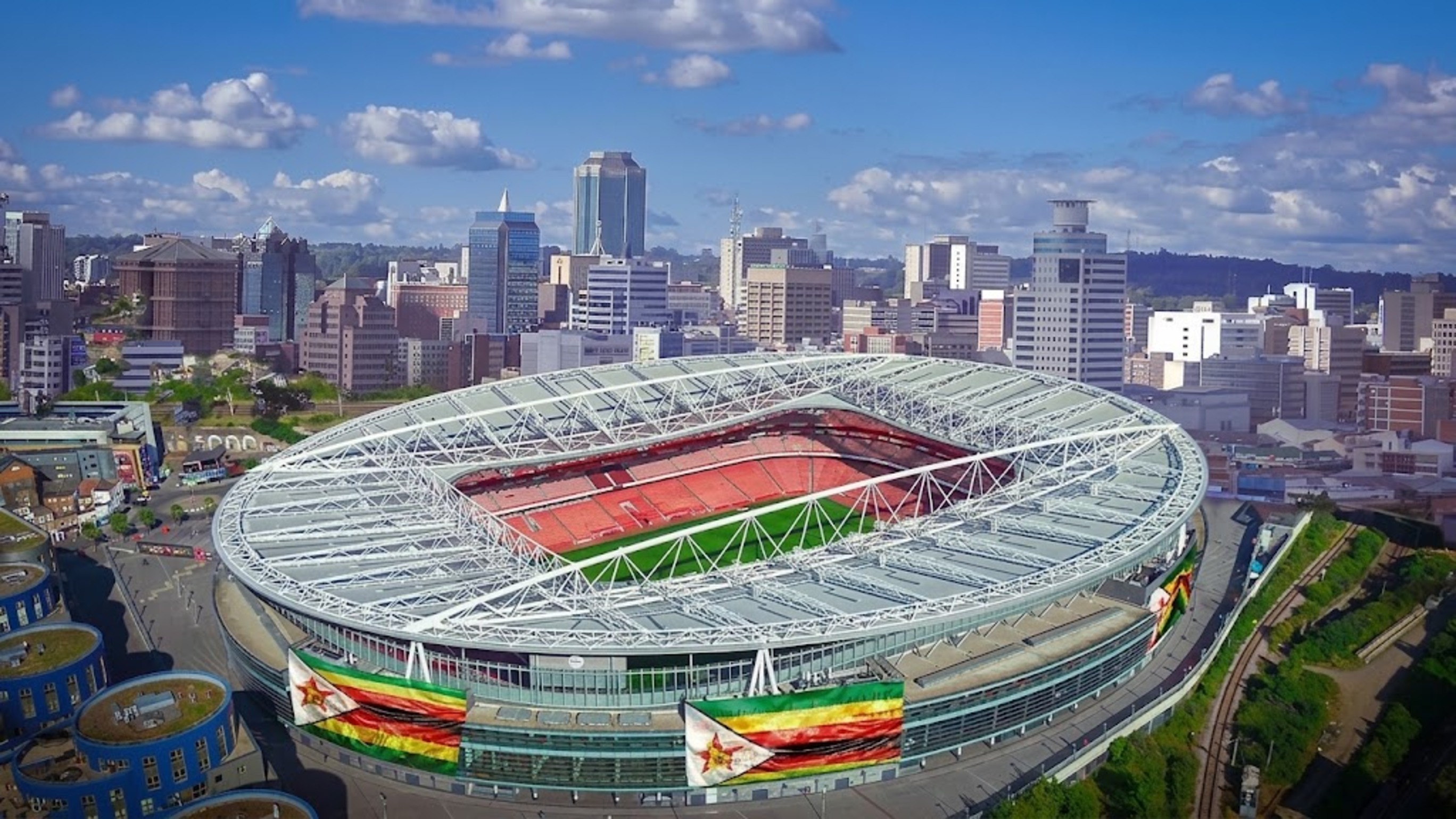
The Zimbabwe Warriors haven't played a home match on home soil since 2021. On September 28, that changes, when they face the Democratic Republic of Congo in an AFCON qualifier at the National Sports Stadium in Harare.
Five years is a long time for any national team to be exiled from its own ground. It happened because the stadium simply stopped meeting the standards the Confederation of African Football requires, and rebuilding it back up to code turned out to be a far slower and more expensive process than anyone in Harare wanted it to be.
How a national stadium gets banned
By February 2020, CAF found all of Zimbabwe's major venues inadequate for hosting international football. The National Sports Stadium, the country's biggest and most symbolic ground, was declared unfit. From that point, Zimbabwe's national teams and its clubs in continental competition had no choice but to book neutral grounds abroad, mostly in South Africa, for every "home" fixture.
That's not a minor inconvenience. It means a national federation paying for travel, accommodation and venue hire in another country just to stage a game that should generate ticket revenue and atmosphere at home. It means fans who can't afford to travel losing years of access to their own national team. And it means players losing whatever advantage a genuine home crowd provides, which in football is measurable and real.
The path back took incremental steps. CAF granted Category Two approval in August last year, covering youth internationals and some club competitions. That was progress, but it wasn't enough for the fixtures that mattered most. Full Category Three status, the level needed for AFCON qualifiers, senior World Cup qualifiers and CAF club competition group stages, only arrived this September, following a fresh technical inspection and what the Ministry of Sport described as significant progress on priority works.
What actually needed fixing
CAF's requirements aren't cosmetic. They cover pitch quality, floodlighting, changing facilities, medical provisions, security infrastructure and spectator safety standards, the kind of detail that's invisible on television but decides whether a stadium can legally host a competitive international. Zimbabwe's government partnered with private companies, including Sakunda Holdings, to fund the refurbishment work needed to close those gaps.
It's worth noting that other major Zimbabwean venues, Rufaro Stadium in Harare and Barbourfields Stadium in Bulawayo, still haven't met CAF's top-tier requirements. The National Sports Stadium clearing the bar doesn't mean Zimbabwean football as a whole has solved its infrastructure problem. It means one ground, the most important one, finally has.
Why this changes more than one fixture
A five-year exile from home soil has costs that compound. Younger fans have grown up never seeing their national team play in their own country. Clubs playing in African competitions have absorbed years of extra travel costs and lost home advantage in must-win continental ties. And the psychological weight of playing every fixture as the away side, even in games technically designated as home matches, is something coaches and players have talked about for years without a real fix available.
Restoring the stadium doesn't guarantee results. Zimbabwe still has to beat DR Congo, and a rusty home crowd returning after five years away isn't automatically the electric atmosphere teams hope for. But it removes a structural disadvantage that had nothing to do with the quality of the players on the pitch and everything to do with a building failing to meet a checklist.
For a football nation that's spent years being punished for infrastructure it didn't control on matchday, getting the National Sports Stadium back is a bigger deal than one qualifier result either way.
How much of a national team's competitive fortunes actually comes down to something as unglamorous as stadium infrastructure, rather than the players themselves?

Sarajevo Back at the Heart of Regional MMA: SFC Returns with Explosive Matchups

How Buzzer Karma Works: Levels, Penalties, and What They Mean

Inside Buzzer's Latest Update (and Why It Changes How You Use the App)

Buzzer Introduces Ads Console: A New Era of Advertising Across the Entire Buzzer Ecosystem

Buzzer Is Evolving: From Quantity to Quality

Buzzer Now Has a Games Hub, and Tournaments Are Coming

Al Ittihad SC's Matches Are Now Live on Buzzer

Palm City vs Gulf United Ends in 1–1 Draw in UAE Second Division League Clash

"We Don't Take the Guy With the Camera." He Built His Own Club Anyway. Now He's Coming to Find You.

Building the Infrastructure Sports Tech Forgot


