




 0
0
The Cloning Business That Already Reshaped Polo
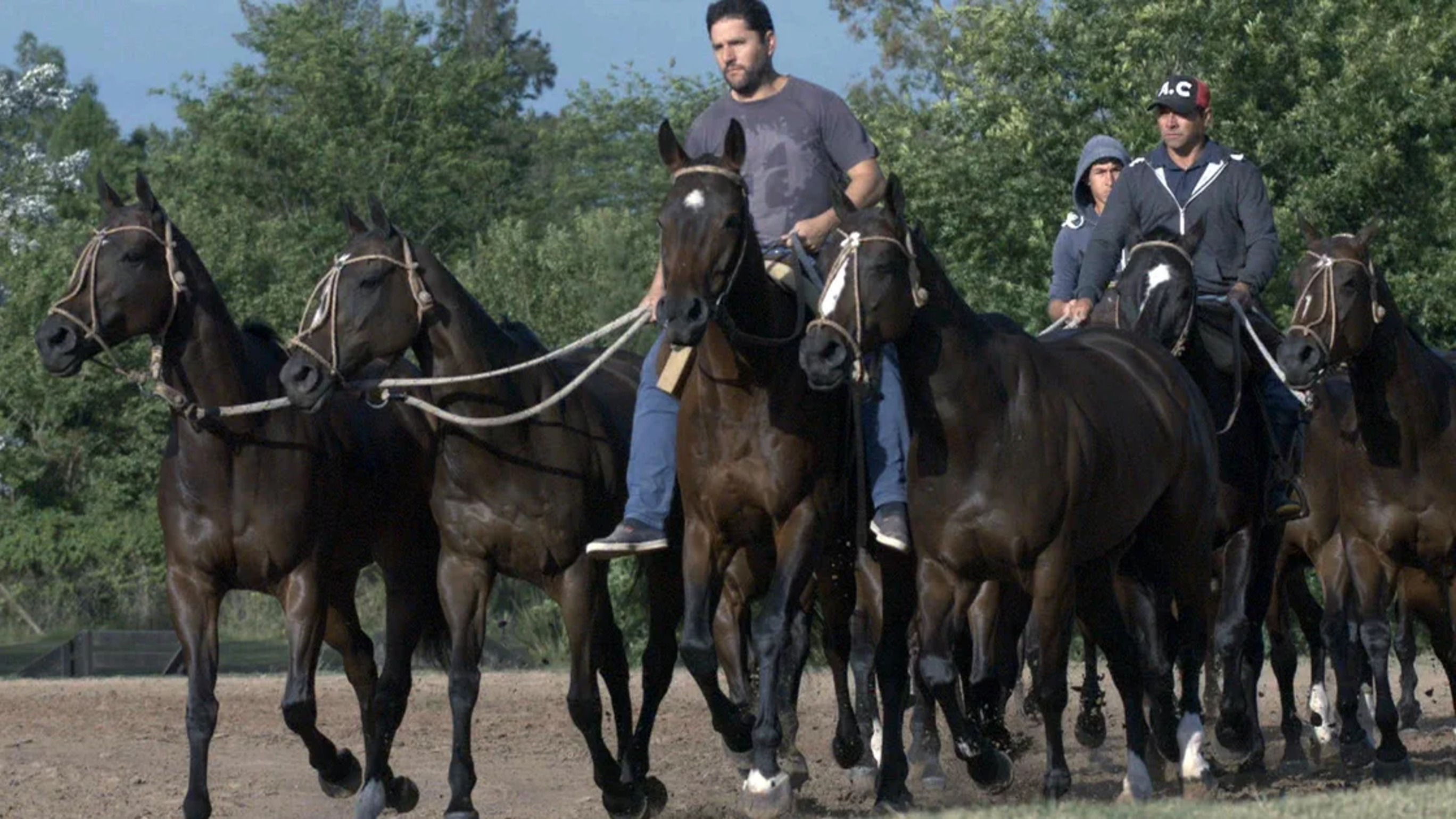
In 2016, Argentine polo legend Adolfo Cambiaso rode six different horses to help win one of the sport's most prestigious matches. All six were clones of the same mare.
The Match That Normalized Cloning
Cambiaso's mare Dolfina Cuartetera had become one of the finest polo horses of her generation, and rather than retire her prized genetics to breeding alone, Cambiaso's team worked with cloning specialists to produce genetic copies he could actually ride in competition.
When he took the field on six separate clones of the same horse during that celebrated win, it settled a question the sport had been dancing around since the International Equestrian Federation lifted its ban on cloned horses and their offspring back in 2012.
Cloning didn't threaten polo's integrity in any way the sport's own governing bodies were prepared to police. It just became part of how the business worked.
An Industry Built Around Copying Champions
Kheiron Biotech, the Buenos Aires company at the center of that shift, has grown into a genuinely significant player in equine cloning worldwide, producing roughly 400 cloned horses in 2025 alone.
Commercial horse cloning historically carries a price tag that runs well into six figures per clone once collection, lab work, surrogate implantation, and the resulting pregnancy are all factored in, a cost that would have sounded like science fiction pricing for a horse breeding decision a generation ago.
That price hasn't stopped a wealthy tier of the sport's patrons and professionals from treating it as a legitimate competitive investment rather than a novelty.
Why Cloning Made Sense for a Sport Built on Bloodlines
Polo has always been unusually obsessed with pedigree compared to most equestrian disciplines, since a horse's genetics translate almost directly into competitive advantage on the field, speed, agility, temperament under pressure, all traits proven Argentine bloodlines have spent generations refining.
Cloning offered something breeding alone never could: the ability to produce an exact genetic copy of a specific proven champion rather than hoping a foal inherits the right combination of traits from two different parents.
For owners and patrons paying enormous sums for competitive horses in the first place, that certainty became worth the cloning premium.
The Business Question Nobody's Fully Answered
What cloning hasn't resolved is whether it's actually good for the sport's long-term health as a business. A handful of biotech companies now control access to a technology capable of replicating the genetics behind the world's best polo horses, concentrating enormous competitive and financial power in the hands of whoever can afford it.
Smaller breeding operations built on traditional bloodline selection now compete against wealthy patrons who can simply buy an exact copy of the best horse already proven to win. It's a version of the same financial gap that shows up in nearly every elite sport, except in polo, the gap runs through a laboratory rather than a transfer market.
Cambiaso's six clones didn't just win a match. They answered, quietly and permanently, one of the strangest questions professional sport has ever had to confront: what happens when you can simply manufacture more of your best player.


