




 0
0
Games Used to Have No Break in the Middle at All
Halftime feels like a completely natural part of nearly every team sport today, a built-in pause for rest, strategy adjustments, and, in many sports, genuine entertainment for the crowd.
In the earliest organized versions of many sports, there was no formal break in the middle of a match at all. Games simply ran continuously from start to finish.
That might sound strange to modern fans, but there was nothing inherently obvious about stopping a game halfway through. Early sporting contests were often organized around local customs rather than standardized schedules, and the idea of dividing a match into clearly defined sections developed gradually as sports became more formalized.
A practical need that became a tradition
As team sports professionalized through the 1800s, a genuine practical need for a mid-game break became increasingly obvious.
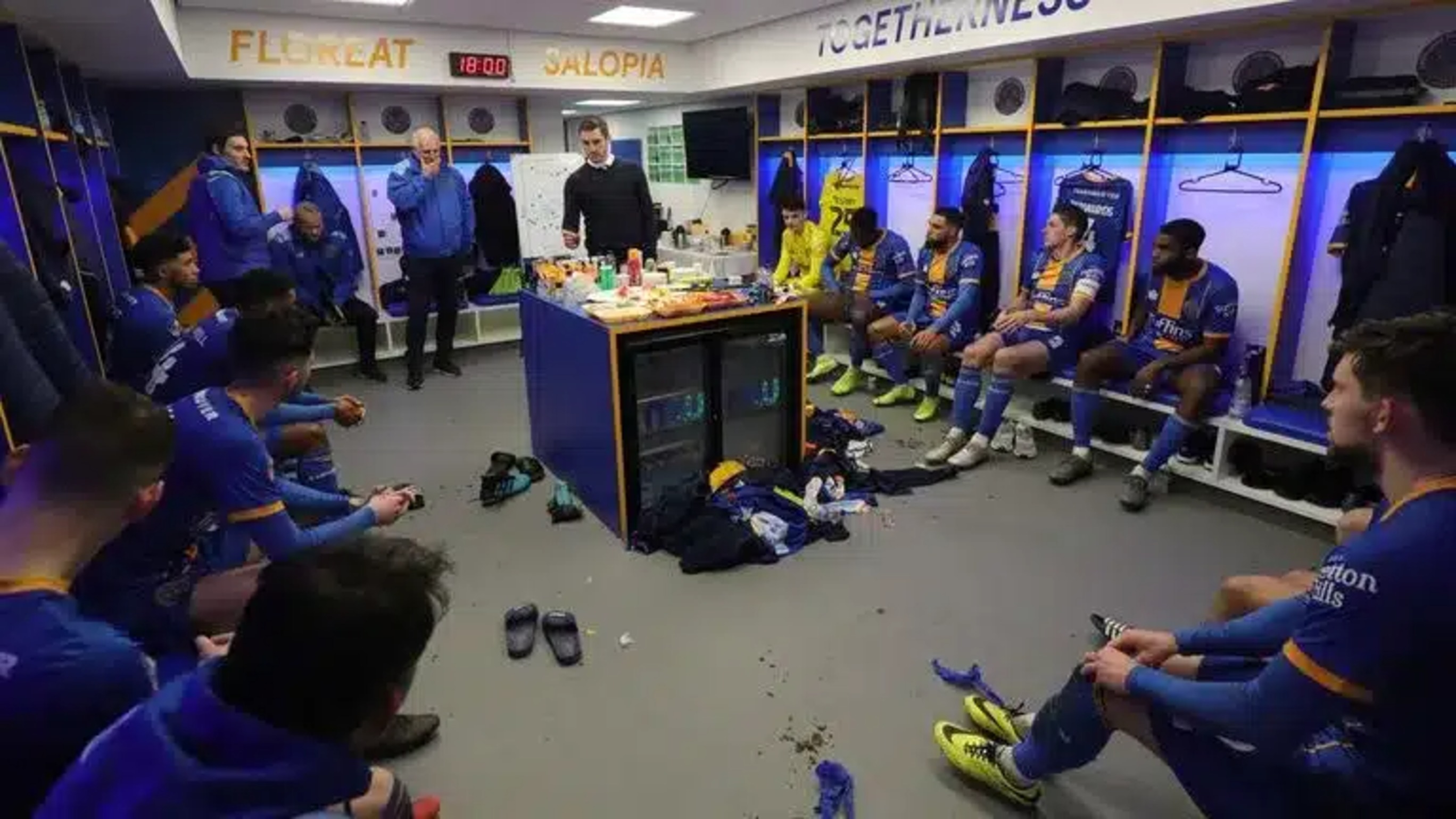
Players needed rest, especially in physically demanding sports played across a large field for a long stretch of time. Coaches needed a real opportunity to adjust strategy based on how the first half had actually gone, something impossible to do properly while play was continuously running.
Different sports settled on their own version of this break at different points in their history, generally as organized leagues and governing bodies matured enough to standardize match structure across multiple clubs and venues, rather than leaving it up to informal local custom at each individual match.
From practical pause to genuine spectacle
Once halftime became a standard, accepted part of match structure, it didn’t stay purely functional for long.
American football’s halftime shows eventually grew into massive, standalone entertainment productions, especially at the Super Bowl, where the halftime performance now draws its own separate audience and its own separate media coverage, sometimes generating more conversation than the game itself.
Other sports have used their own version of the break differently. Basketball’s shorter halftime focuses mostly on strategy and rest, while some other sports have used the pause for local entertainment, sponsor activations, or simply time for fans to reach concessions and restrooms before the second half resumes.
A pause that became essential
It’s genuinely difficult to imagine most modern team sports without some kind of formal halftime break built into the match structure. What started as a practical accommodation for player rest and coaching strategy has become, in some sports, a genuinely huge, widely anticipated part of the entire event, a pause that occasionally overshadows the actual competition surrounding it.
That evolution, from simple necessity to genuine spectacle in its own right, mirrors a pattern that shows up repeatedly across sports history: practical fixes for a narrow problem often grow into something far bigger and more significant than anyone originally intended.
Has halftime entertainment in some sports grown so large that it risks overshadowing the actual game itself, or does that extra spectacle genuinely add value for fans watching at home and in the stadium?


