





 1
Nairobi Wants the 2029 World Championships. But Hosting It Is About Much More Than a Stadium
No country in Africa has ever hosted the World Athletics Championships.
Kenya, a nation with 72 World Championship gold medals and a legitimate claim to being the sport's spiritual home for distance running, wants to change that in 2029.
Its bid is up against London, Rome and Munich, three cities with far more experience staging events at this scale, which means Nairobi's case has to be built on more than simply loving the sport.
The stadiums and infrastructure
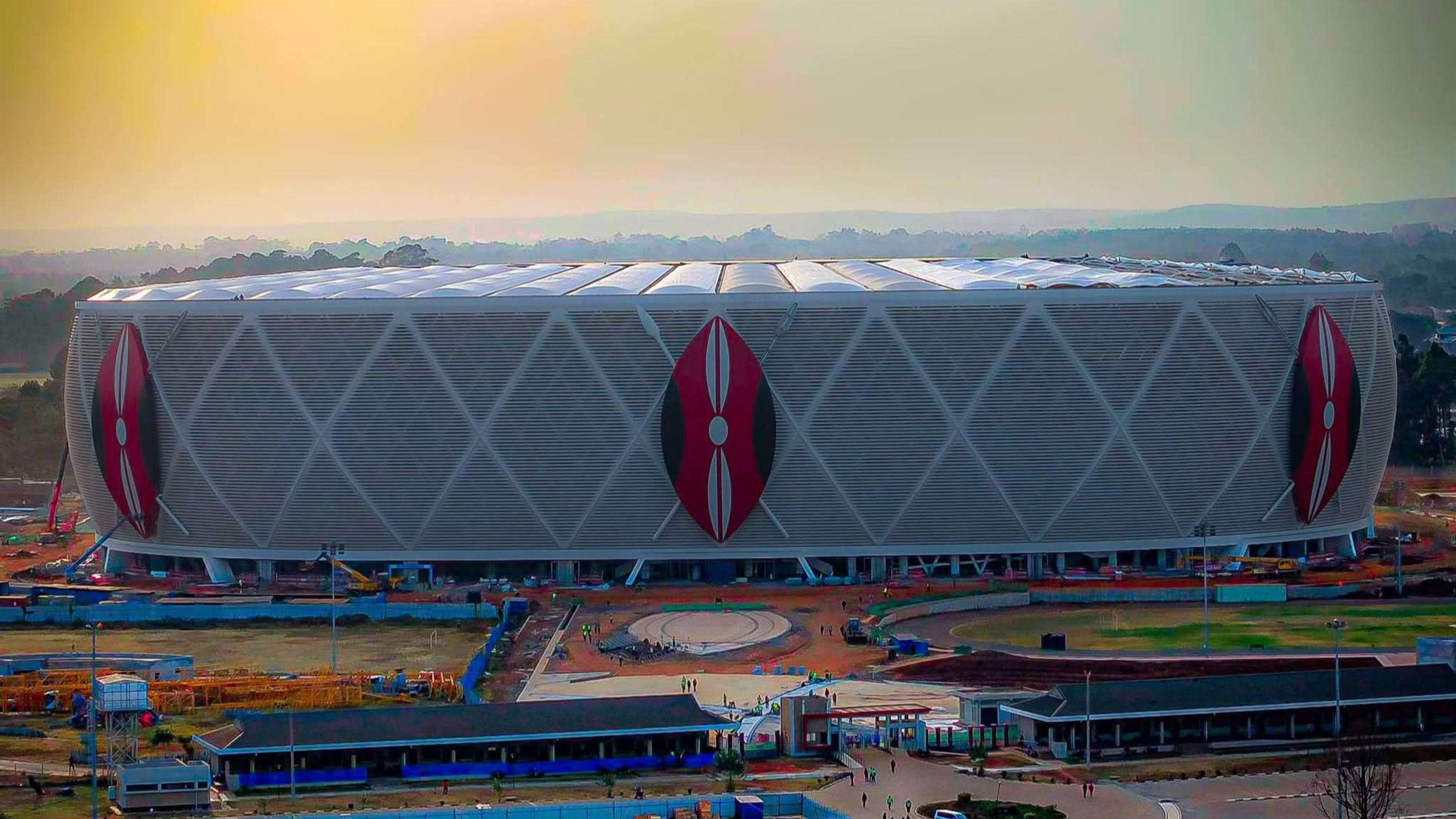
The centrepiece of Kenya's bid is the Moi International Sports Centre at Kasarani, a 48,000-seat stadium that's undergone significant modernisation after its condition was widely seen as a genuine weakness in Kenya's unsuccessful bid for the 2025 championships, which ultimately went to Tokyo.
That renovation, alongside the newer Talanta Sports City development, represents years of infrastructure investment specifically aimed at closing the gap between Nairobi's sporting credentials and its physical capacity to actually host an event of this scale.
President William Ruto's government has attached formal, public backing to the bid, pledging to cover the security, transport, accommodation and organisational infrastructure a championship of this size genuinely requires.
That state guarantee matters enormously to World Athletics' evaluation process, since a bid built purely around passionate local support means little without the government resources to actually deliver security screening, athlete transport, broadcast infrastructure and hotel capacity for tens of thousands of visiting athletes, officials and fans over more than a week of competition.
The altitude factor
Nairobi's bid also leans into something none of its European rivals can offer: altitude.
The city sits roughly 1,680 metres above sea level, and no senior World Championships has ever been staged at that elevation.
Thinner air cuts both ways for athletes, offering sprinters and jumpers less resistance to push against while giving distance runners less oxygen to work with, an effect last seen at genuinely global scale at the high-altitude 1968 Mexico City Olympics, which produced a wave of sprint and jump records alongside slower distance times.
For a country whose global reputation is built overwhelmingly on distance running, hosting at altitude would be a fascinating twist: a championship staged in conditions that could, in theory, work against the exact discipline Kenya is best known for.
A continent's long wait
Kenya's bid committee, chaired by Ibrahim Hussein, the first African runner to win both the Boston and New York City Marathons, has framed the bid explicitly as bringing the championships to a continent that's produced generations of the sport's greatest distance runners without ever getting to host its biggest event.
A decision from World Athletics is expected in September.
Whatever the outcome, Nairobi's bid captures something true about modern sports hosting more broadly: passion and history matter, but they don't substitute for stadiums, security guarantees and government-backed infrastructure spending.
Kenya has spent years trying to build the second half of that equation to finally match the first.
Should hosting rights for global championships weigh a country's sporting history and passion as heavily as its physical infrastructure and government guarantees, or does the practical side always have to come first?

Sarajevo Back at the Heart of Regional MMA: SFC Returns with Explosive Matchups

How Buzzer Karma Works: Levels, Penalties, and What They Mean

Inside Buzzer's Latest Update (and Why It Changes How You Use the App)

Buzzer Introduces Ads Console: A New Era of Advertising Across the Entire Buzzer Ecosystem

Buzzer Is Evolving: From Quantity to Quality

Buzzer Now Has a Games Hub, and Tournaments Are Coming

Polo Al Taco Expands Its Global Reach Through Weekly Livestreams on Buzzer Arena TV

Al Ittihad SC's Matches Are Now Live on Buzzer

Palm City vs Gulf United Ends in 1–1 Draw in UAE Second Division League Clash

"We Don't Take the Guy With the Camera." He Built His Own Club Anyway. Now He's Coming to Find You.


