

 0
0
England Tried to Injure Their Way Past Don Bradman, Nearly Ending Cricket Between Two Countries
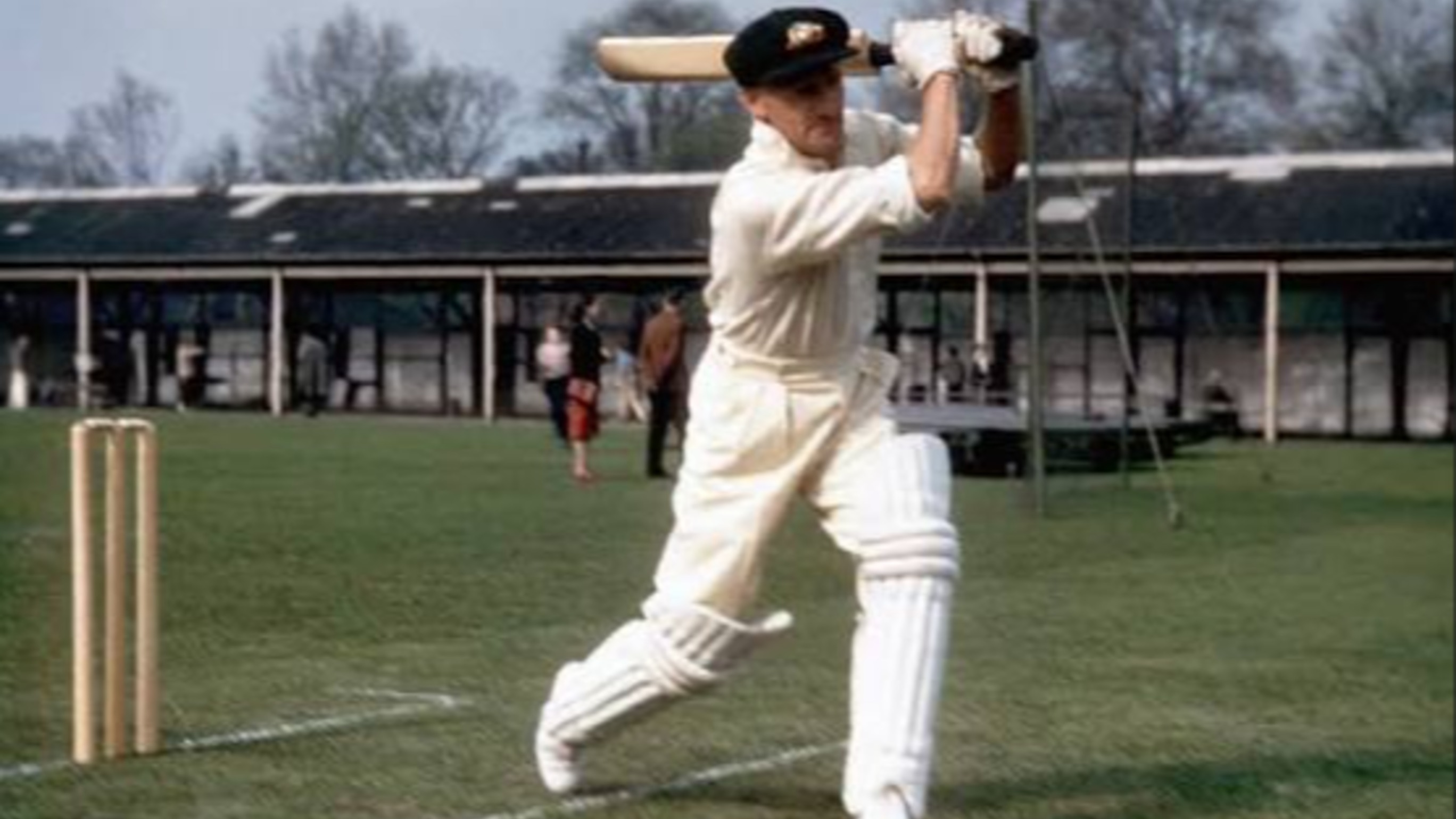
Don Bradman’s Test batting average of 99.94 remains, by most statistical measures, the single most dominant individual record in major sport. England’s cricket establishment looked at that number ahead of the 1932-33 Ashes tour and concluded there had to be a way to beat it.
According to accounts of the planning meeting, captain Douglas Jardine watched hours of Bradman’s batting footage before leaping from his chair and declaring the greatest batter alive had a specific weakness: “He’s yellow.”
What followed became known as Bodyline, and it remains cricket’s most consequential controversy nearly a century later.
A tactic built entirely around fear
Jardine’s plan, executed by fast bowler Harold Larwood, was to bowl short, fast deliveries aimed directly at the batsman’s body rather than the wicket, with fielders packed tightly on the leg side waiting for the defensive, evasive shot the tactic was designed to provoke. Batting equipment at the time offered nowhere near the protection modern players use, and the physical danger was real and immediate rather than theoretical.
The tactic reached its breaking point during the third Test in Adelaide. Australian captain Bill Woodfull was struck directly above the heart by a Bodyline delivery, and the already hostile crowd came close to genuine riot. Wicketkeeper Bert Oldfield suffered a fractured skull from another delivery, though not one bowled using the tactic directly.
When England’s tour manager Pelham Warner visited Woodfull afterward to check on him, Woodfull’s reply became one of cricket’s most quoted lines: “There are two teams out there. One is trying to play cricket; the other is not.” Decades later, it emerged that Bradman himself had leaked that private exchange to the press.
Technically legal, universally condemned
Bodyline never broke a single written rule of cricket as it existed in 1932. That fact became the entire crux of the controversy rather than a defense of it.
The tactic demonstrated conclusively that something could be completely legal while still being fundamentally unsportsmanlike, and the fallout directly shaped how cricket’s rule-makers would think about the difference between the letter of the law and what became known as “the spirit of the game,” a concept still invoked in cricket disputes today.
Not everyone inside England’s own dressing room supported the approach. Fast bowler George “Gubby” Allen refused to bowl Bodyline at all despite Jardine’s direct urging, later describing his own captain as “a perfect swine” in a private letter to his parents. England won the series 4-1, but the fallout extended well past the final scorecard.
When a sport became a diplomatic problem
Australian cricket officials formally protested to the Marylebone Cricket Club, cricket’s governing body at the time, and the diplomatic tension genuinely escalated between the two nations’ governments, not just their cricket boards.
It’s rare for a sporting tactic to strain actual international relations rather than simply generating outrage within the sport itself, and Bodyline remains one of the clearest examples in any sport’s history of a legal, deliberately dangerous strategy nearly rupturing a relationship between two countries.
The controversy eventually forced changes to cricket’s laws restricting the number of fielders allowed on the leg side during fast, short-pitched bowling, a direct rule response to a tactic that had exploited a genuine gap between what the rulebook technically allowed and what the sport’s participants considered acceptable.
When a tactic is completely legal but almost universally condemned as dangerous or unsportsmanlike, should governing bodies act to ban it immediately, or does the sport need to actually witness the consequences play out publicly first before consensus can genuinely form?


 1
1