





 0

Swimming Is Bringing Back the League Model
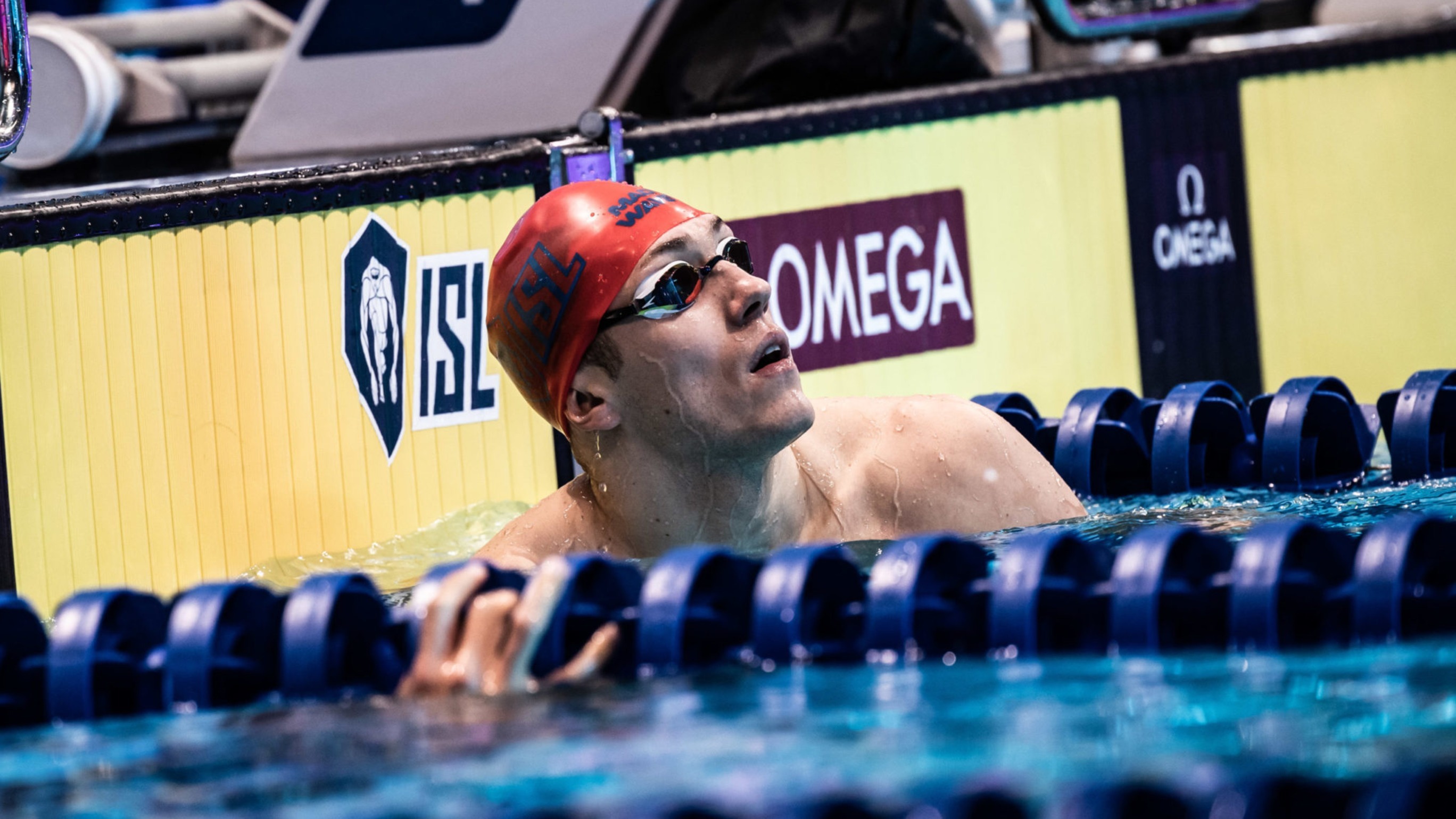
Swimming has one of the strangest relationships with attention of any major Olympic sport.
Every four years, it dominates prime-time television and produces some of the most recognizable athletes on the planet. Then the Games end, and most of that attention simply evaporates until the next cycle starts up again.
The International Swimming League thinks it has a fix for that, and it's coming back to test it.
What the ISL is
The ISL launched in 2019 with genuine ambition, built around a team-based, entertainment-first format that tried to make swimming feel more like a season and less like a once-every-four-years spectacle.
It worked well enough to attract stars like Caeleb Dressel, Adam Peaty and Katinka Hosszu, and it ran three full seasons before COVID and the financial fallout from Russia's invasion of Ukraine took down its primary backer and forced a shutdown after 2021.
Commissioner Ben Allen confirmed late last year that the league is targeting a return as early as this autumn, built around a reshaped commercial model that leans much more heavily on sponsorship and media deals rather than a single wealthy patron who can vanish overnight.
The plan includes a seven-match season spanning North America, Europe and at least one stop in Asia, with the league also experimenting with a shorter, one-day match format instead of the two-day structure it used previously, designed specifically to be easier for broadcasters and fans to follow.
The bet behind it
Whether the league lands on that exact schedule or adjusts it as it goes, the underlying bet is the same one it made in 2019: that swimming's biggest weakness isn't a shortage of compelling athletes, it's the complete absence of anything resembling a season for those athletes to compete in.
An NBA fan can follow LeBron for eight months a year. A swimming fan gets Katie Ledecky for about two weeks every four years and then silence.
The skepticism is earned
The skepticism here is earned, and it's worth saying plainly.
The ISL folded once already, and it left real financial wreckage behind it, including reported unpaid solidarity payments owed to athletes from its final season.
A reshaped commercial model sounds good in an interview, but so did the original model back in 2019.
Sponsorship and media deals are also notoriously fickle in a sport that still struggles for consistent non-Olympic viewership, which is precisely the problem this relaunch is supposed to solve in the first place.
The case for optimism
Still, the timing isn't nothing.
The league is trying to build momentum toward the 2028 Los Angeles Olympics, which gives it a natural narrative arc and a home-market advantage it never fully had before.
And a settlement reached with World Aquatics has cleared away some of the legal fog that hung over the league's relationship with the sport's governing body throughout its first run.
If the ISL genuinely returns and survives more than one cycle this time, it could meaningfully change how casual fans experience swimming between Olympics.
If it collapses again, it'll be remembered as further proof that fixing swimming's visibility problem takes more than good intentions and a rebranded format.
Can a league genuinely built on a four-year sport ever be more than a bridge between the events people actually tune in for?
Sarajevo Back at the Heart of Regional MMA: SFC Returns with Explosive Matchups
How Buzzer Karma Works: Levels, Penalties, and What They Mean
Inside Buzzer's Latest Update (and Why It Changes How You Use the App)

Buzzer Introduces Ads Console: A New Era of Advertising Across the Entire Buzzer Ecosystem
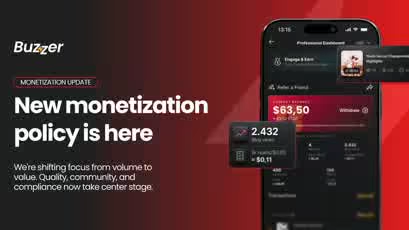
Buzzer Is Evolving: From Quantity to Quality
Al Ittihad SC's Matches Are Now Live on Buzzer
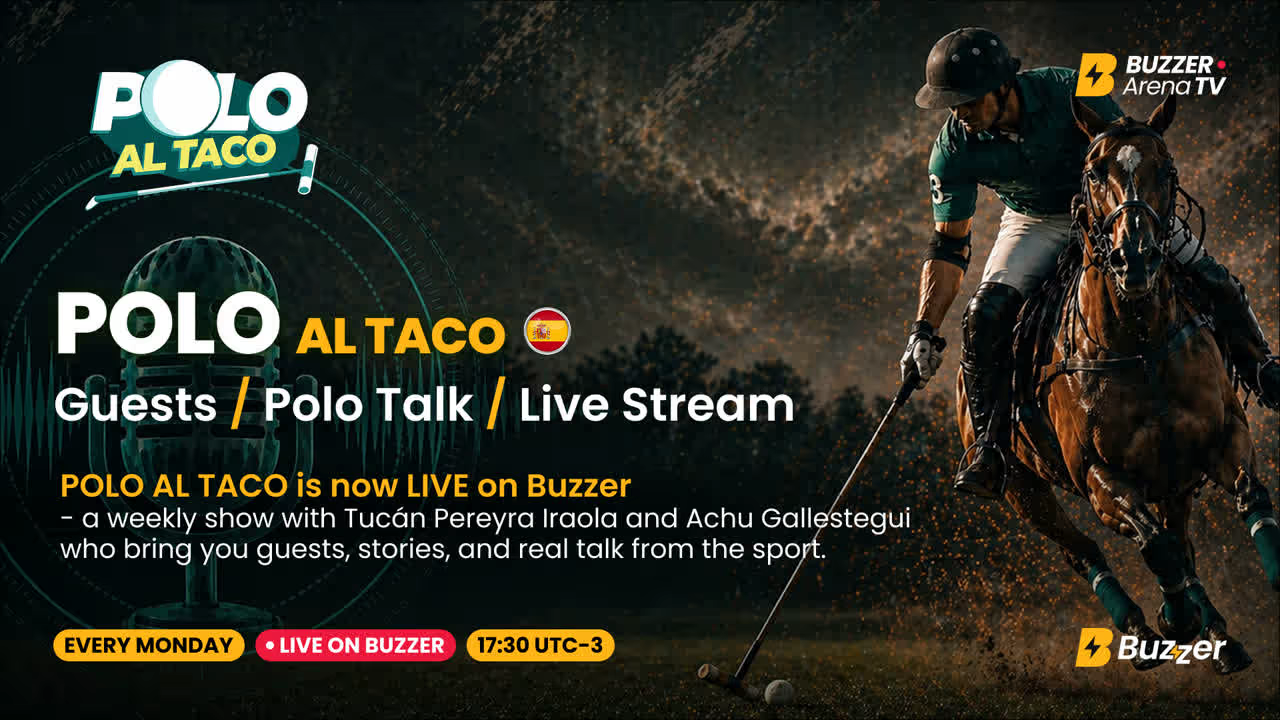
Polo Al Taco Expands Its Global Reach Through Weekly Livestreams on Buzzer Arena TV

Buzzer Now Has a Games Hub, and Tournaments Are Coming
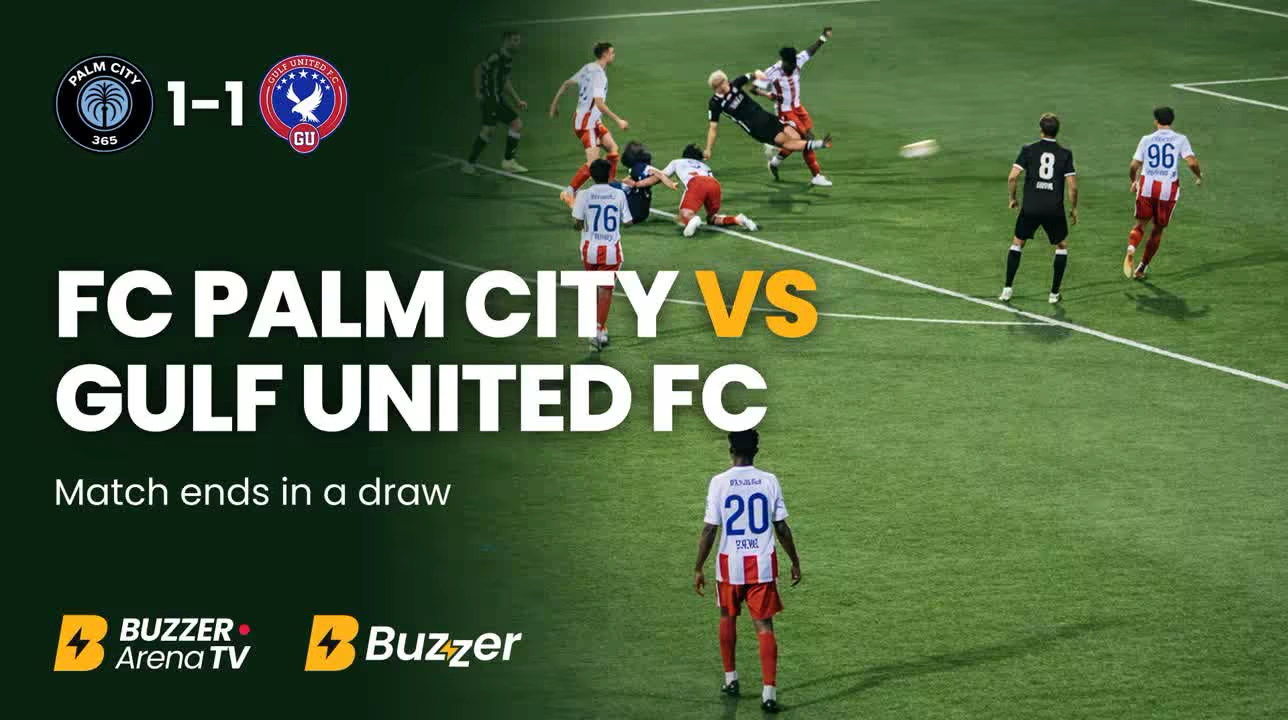
Palm City vs Gulf United Ends in 1–1 Draw in UAE Second Division League Clash
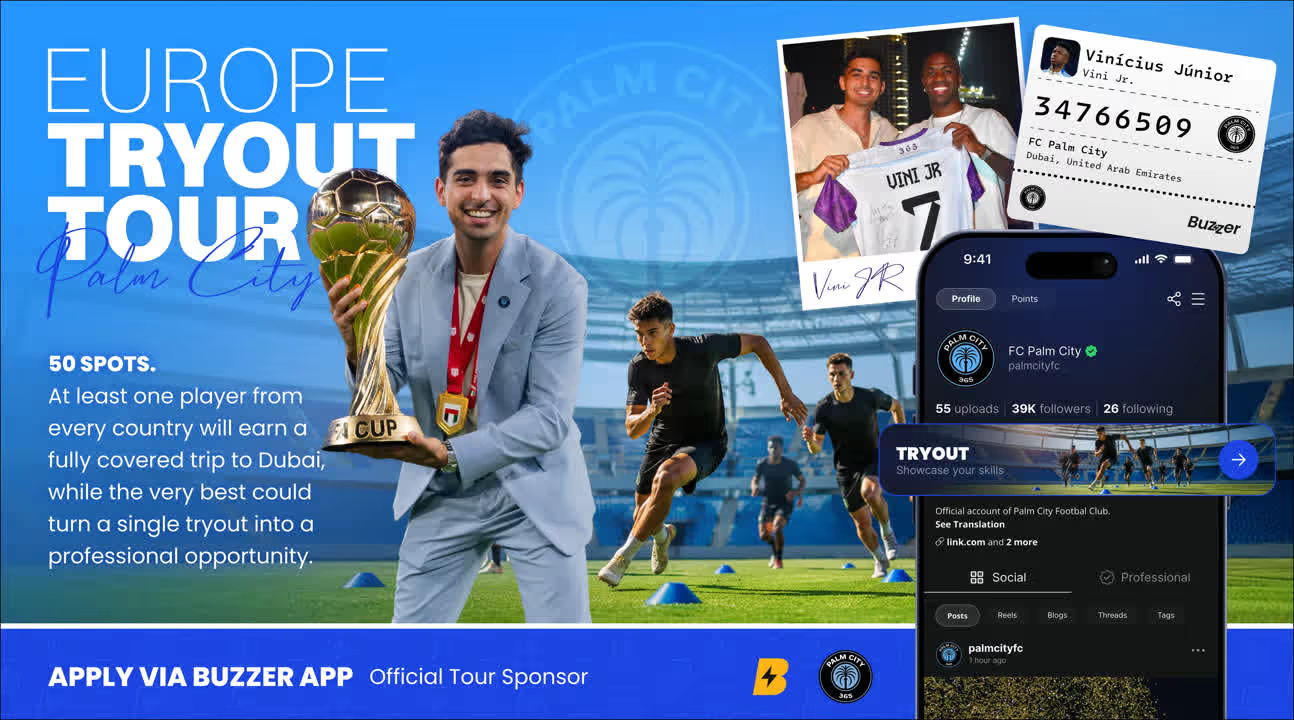
"We Don't Take the Guy With the Camera." He Built His Own Club Anyway. Now He's Coming to Find You.


