
 0
0
Why F1’s Season Always Seems to Explode in Abu Dhabi
Since 2009, the Abu Dhabi Grand Prix has closed out Formula 1’s season at Yas Marina Circuit, and an outsized number of the sport’s most dramatic championship deciders keep landing there. That’s not really an accident.
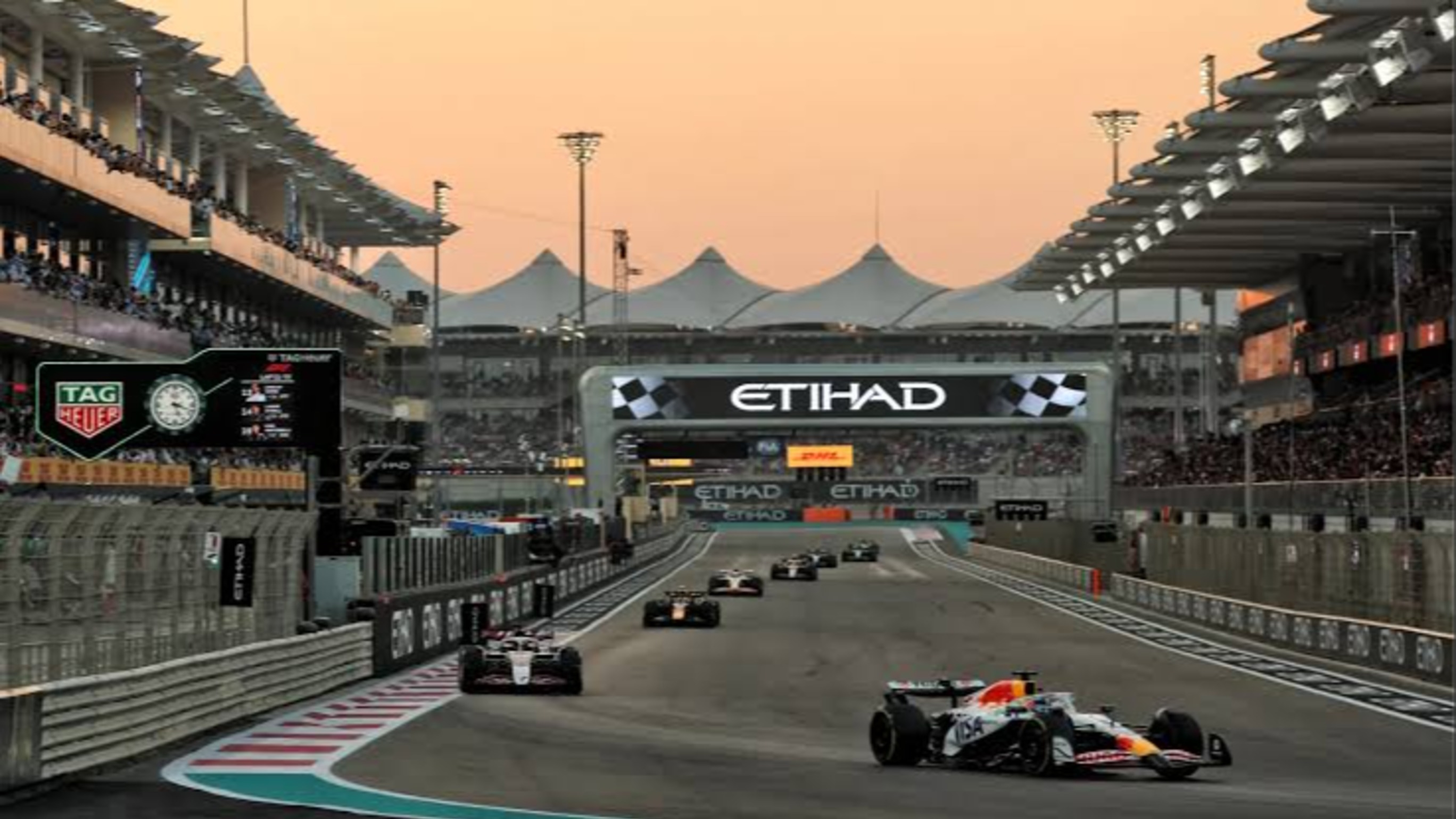
The race debuted as F1’s first true twilight event, starting in daylight and finishing under floodlights as the sun sets over the marina. Sebastian Vettel won that inaugural 2009 race. A year later, in 2010, Yas Marina hosted its first genuine title decider, and it turned into a strategic disaster for Ferrari. Fernando Alonso arrived with a shot at the championship, got boxed in behind Vitaly Petrov’s Renault after an early Ferrari pit call went wrong, and finished with no way to catch Vettel, who claimed his first title and became F1’s youngest ever champion in the process.
A stage built for chaos
Part of what makes Yas Marina distinct is genuinely structural. The 5.281 kilometer track has three sectors that each demand something different from a car’s setup, forcing engineers into compromises that don’t always work out. A 1.2 kilometer straight feeds into a tight braking zone that’s become one of the calendar’s more reliable overtaking spots. The pit lane exit runs through a tunnel beneath the track itself, an unusual quirk that occasionally catches strategy calls off guard.
Then there’s the timing. Being the season’s last race means every driver still mathematically alive for the title arrives with maximum pressure and zero margin for a cautious approach. Compare that to a mid-season race where a bad strategy call just costs points. In Abu Dhabi, it can cost an entire championship, and teams know it.
The race everyone still argues about
No Abu Dhabi race generated more lasting controversy than 2021, when Max Verstappen and Lewis Hamilton arrived level on points for the most tightly contested title fight in years. A late safety car and a contested restart procedure handed Verstappen the win and his first championship, a decision that split the sport for months afterward and led to rule changes in how safety car restarts are handled.
Even the lighter moments carry weight here. Kimi Räikkönen’s legendary 2012 win, delivered with his deadpan “leave me alone, I know what I’m doing” radio message to his engineer, happened at Yas Marina too, proof the venue doesn’t only produce nail-biting title fights. Sometimes it just produces pure, unbothered swagger.
Why the format works
Twilight racing under floodlights, a season’s worth of accumulated tension, and a circuit layout that punishes any hesitation combine into something genuinely different from a normal Sunday afternoon race. Add the fireworks, the concerts, and the theater the UAE builds around race week, and Abu Dhabi isn’t just closing the season. It’s engineered, deliberately, to be the moment everyone remembers regardless of who wins.
Given how often the finale alone decides F1 titles, should the sport lean further into staging deciding races at fixed, dramatic venues, or does that undercut the rest of the season’s meaning?


 1
1