



 2
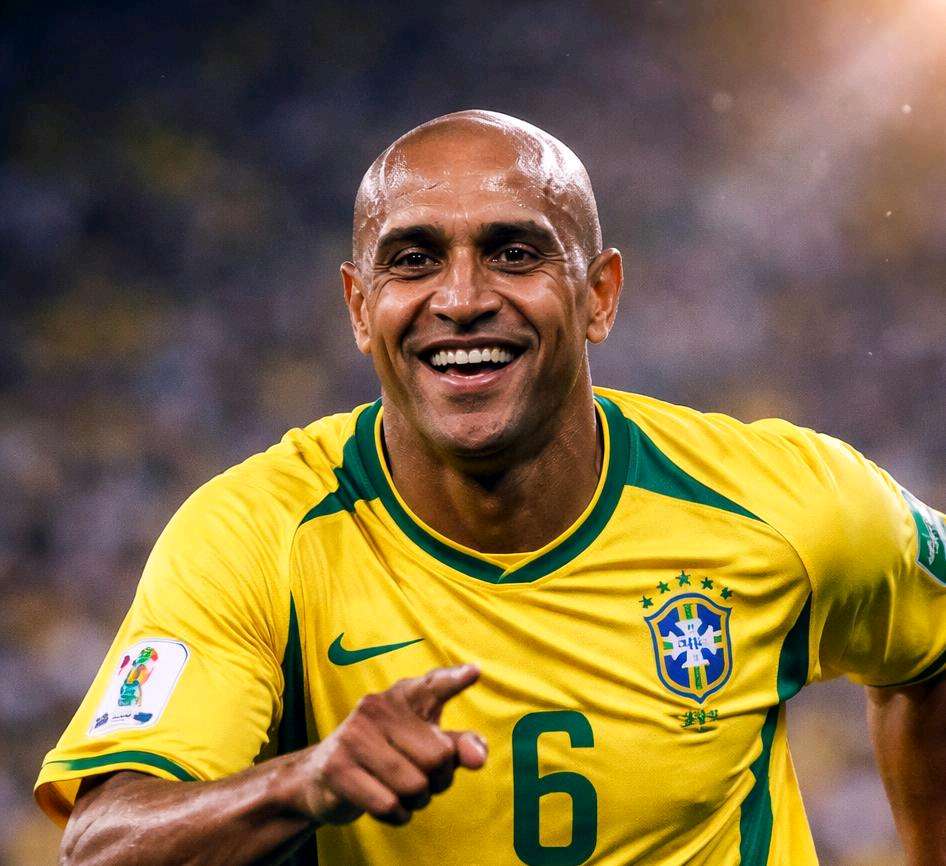
Roberto Carlos is widely regarded as one of the greatest left-backs in the history of football. Born on April 10, 1973, in Garça, Brazil, he became famous for his incredible speed, powerful shots, and attacking style of play. Unlike traditional defenders, Roberto Carlos revolutionized the left-back position by constantly joining the attack and contributing to his team’s offensive strength.
He began his professional career in Brazil before moving to Europe, where he achieved global recognition. His most successful period came during his time at Real Madrid, where he played from 1996 to 2007. During this era, he won numerous titles, including multiple La Liga championships and UEFA Champions League trophies. His consistency, stamina, and technical ability made him a key player in one of the most successful teams in football history.
One of Roberto Carlos’s most iconic moments came in 1997 when he scored an unforgettable free kick for Brazil against France. The ball curved in a seemingly impossible way, leaving fans and experts amazed. This goal is still considered one of the greatest free kicks ever scored and perfectly represents his extraordinary power and technique.
On the international stage, Roberto Carlos was an essential part of the Brazilian national team. He earned over 100 caps and played a crucial role in Brazil’s victory in the 2002 FIFA World Cup. His partnership with other legendary players helped Brazil dominate world football during that period.
Beyond his achievements, Roberto Carlos is remembered for changing the expectations of defenders. He proved that a defender could be both strong defensively and highly effective in attack. His legacy continues to influence modern football, inspiring a new generation of players to adopt a more dynamic and versatile style of play.
In conclusion, Roberto Carlos is not only a football legend but also a pioneer who transformed his position. His impact on the game remains significant, and his name will always be associated with excellence, innovation, and unforgettable moments in football history.

Here is the description of the Algerian player Ibrahim Maza in English:
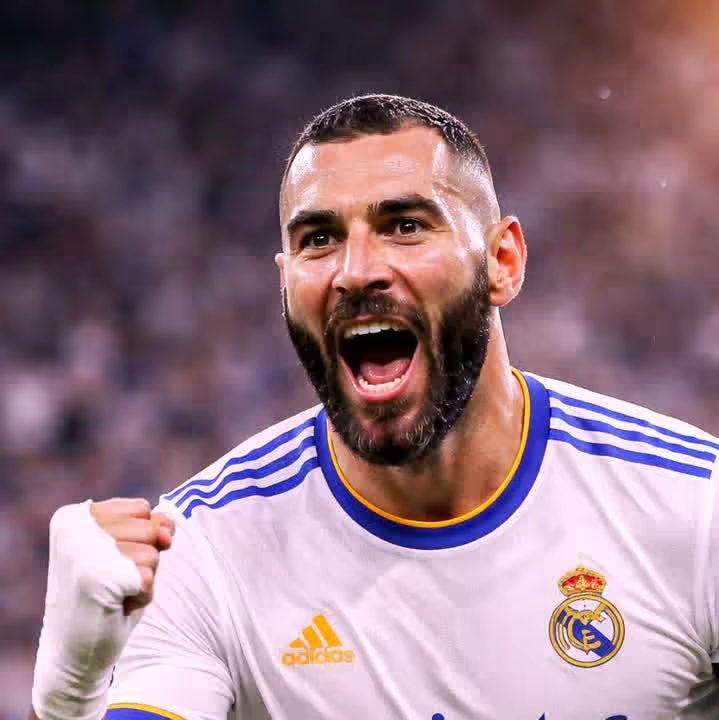
is one of the most talented and accomplished strikers in modern football. He was born on December 19, 1987, in Lyon, France. Known for his intelligence, technical skills, and goal-scoring ability, Benzema has built a reputation as a complete forward.
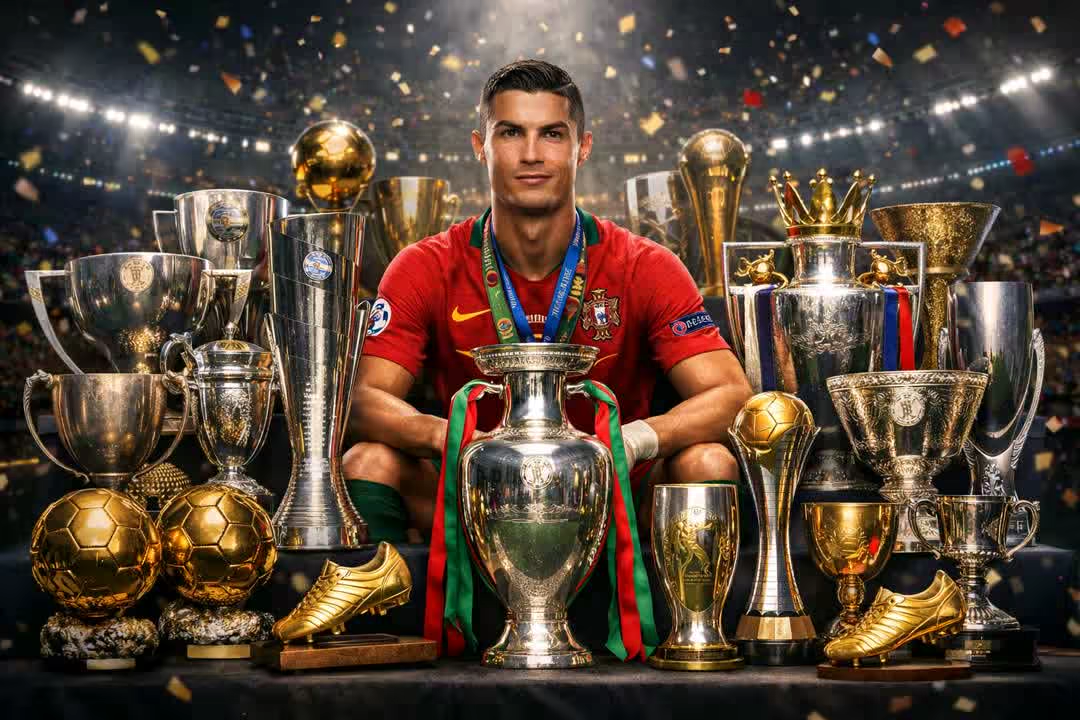
Cristiano Ronaldo: A Global Phenomenon Beyond Football

is one of the most talented and skillful footballers of his generation. He was born on February 21, 1991, in Sarcelles, France, and represents the Algerian national team. Known for his exceptional dribbling, precise control, and creativity, Mahrez has become a key figure in modern football.
Match Preview: Algeria vs. Switzerland – A World Cup Clash of Styles


 7


