
 2
2
Croatia Keeps Reaching World Cup Semifinals With a Population the Size of Oklahoma
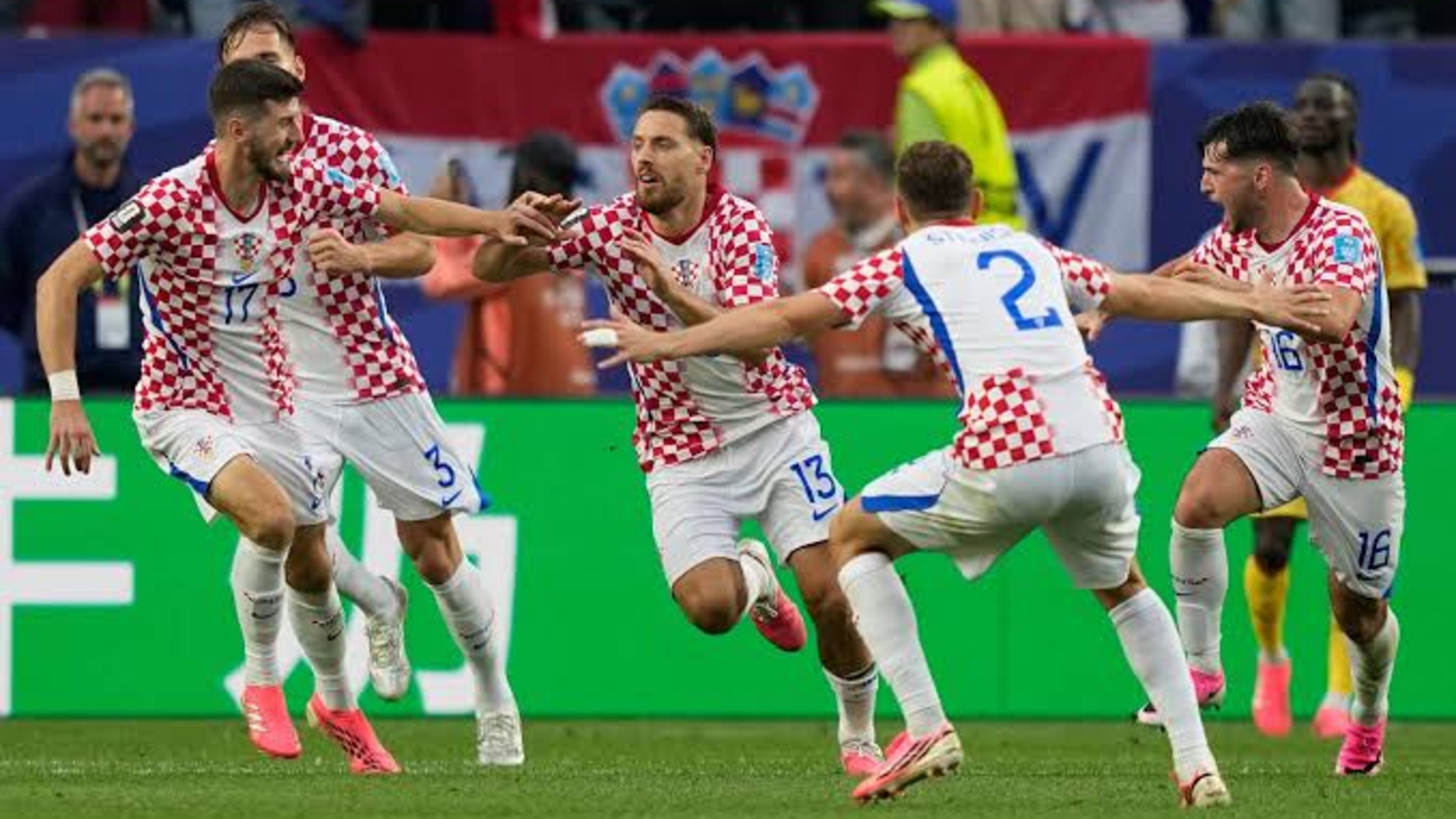
Croatia has a population of roughly 3.8 million people. It only joined FIFA in 1992, the year after declaring independence from Yugoslavia. Since then, it’s reached three World Cup semifinals, matching England’s total from a country that’s been entering the tournament since 1950 and has more than seventeen times the population.
Former Croatia midfielder Ivan Rakitić summed up the mystery as well as anyone involved: “Truly we don’t know how it works.”
The coach who made it repeatable
Part of the explanation traces directly to one man. When Zlatko Dalić took over as an emergency appointment in October 2017, Croatia had won just one World Cup match since 1998 and was in genuine danger of missing qualification entirely.
Dalić steadied a team on the brink, secured a playoff spot, and built toward the 2018 tournament in Russia, where Croatia reached the final for the first time in the country’s history, becoming just the second-smallest nation by population, after Uruguay, ever to contest a World Cup final.
What happened next tested whether that run was a golden-generation fluke or something repeatable. Four years later in Qatar, with roughly eighteen new faces in the squad, many playing their first World Cup, Dalić led an objectively less star-studded Croatia back to the semifinals again, this time claiming bronze after beating Morocco in the third-place match. Dalić himself was careful about the comparison. “In 2018, we had a national team that played [together] 10 years in a row… this new national team has yet to prove itself,” he said before the tournament even started.
What Dalić actually built
Dalić isn’t typically described as a tactical revolutionary. What multiple accounts of his tenure emphasize instead is his handling of what one profile called “the emotional architecture of the Croatian dressing room,” the relationships between aging veterans like Luka Modrić and emerging younger players, and a specific belief he’s stated directly: “Croatia always showed that they are the best when it’s the toughest.”
The results back that framing up in a very literal, statistical sense. Croatia holds a perfect record in World Cup penalty shootouts, having never lost one. In 2018, they survived three separate matches that went to extra time in the knockout rounds alone. In 2022, they beat Brazil on penalties in the quarterfinals.
Whatever Dalić is building in that dressing room, it keeps producing teams that refuse to lose the moments where nerve matters more than talent.
A run that’s outlasted its own golden generation
The more remarkable part of Croatia’s story isn’t the 2018 final run itself, remarkable as that was. It’s that the run continued in 2022 with a meaningfully different, less decorated roster, and that Dalić remains in charge heading into the 2026 tournament, now the country’s most successful manager in its history by Croatian Football Federation’s own official framing.
Small nations occasionally produce a single unforgettable tournament. Croatia has built something that’s persisted across multiple World Cup cycles and multiple generations of players, under one manager who nobody predicted would still be there this long when he took the job as a short-term fix.
What does Croatia’s sustained success suggest about how much a manager’s man-management actually matters compared to pure squad talent in a sport that’s usually analyzed primarily through tactics and player quality?


 1
1