




 0
0
The Award Named After a Man Who Never Saw It Reach Football's Biggest Stars
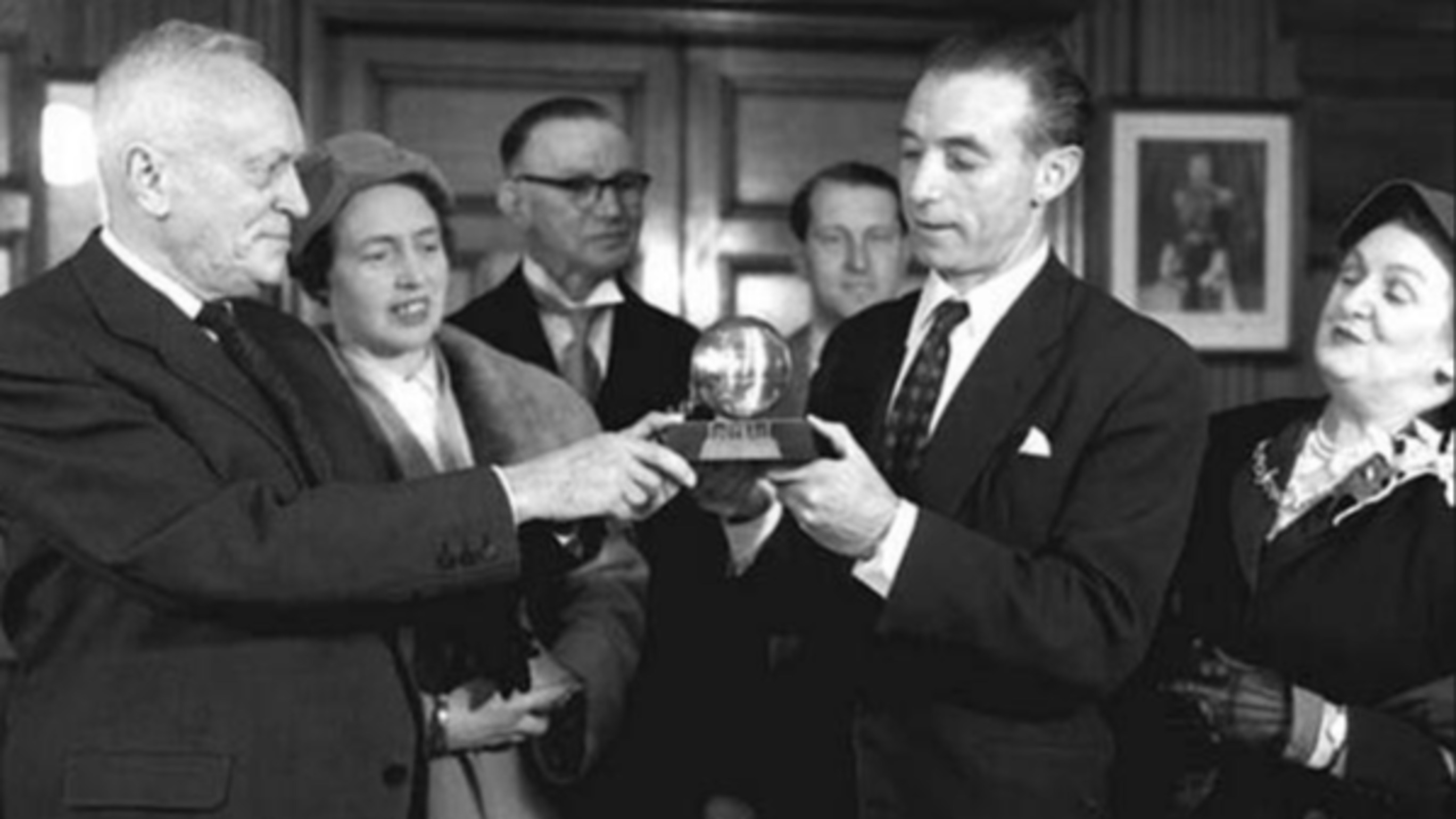
The Ballon d'Or is football's most prestigious individual award today, but it began in 1956 as a modest idea from France Football magazine editor Gabriel Hanot, voted on by a small panel of European journalists, with none of the global television spectacle attached to the ceremony now.
What began as a small European journalism award gradually became football’s biggest individual prize, with its rules expanding as the sport itself became more global.
A prize originally closed off to most of the world
For decades, the award was restricted to European players only, regardless of which league they played in or how dominant a non-European player might have been that year.
That restriction meant genuine global superstars from South America and elsewhere were simply ineligible, a limitation that looks strange in hindsight given how central non-European players are to the award's modern era.
The rule change that finally opened it up
The Ballon d'Or didn't become open to players of any nationality until 1995, nearly forty years after its creation, expanding eligibility to any player at a European club regardless of where they were from.
It took until 2007 for the award to become fully open to any player anywhere in the world, regardless of which country's league they played in, aligning it with how genuinely global football's biggest stars had already become.
From one journalist's idea to a global broadcast event
Hanot created the award as a relatively low-key editorial exercise for his magazine, never intending it to become the multimedia spectacle it is today.
The modern Ballon d'Or ceremony is now broadcast globally, sponsored heavily, and treated by top clubs and players as a genuine career milestone worth actively campaigning for, a transformation Hanot, who died in 1980, never got to see unfold.
A women's award finally added decades later
France Football didn't introduce a corresponding women's Ballon d'Or until 2018, more than sixty years after the men's award began, a gap that mirrors the broader historical underinvestment in women's football at the international level.
The women's award has since become its own significant fixture on the football calendar, though it still carries a fraction of the sponsorship and broadcast attention the men's ceremony commands.
Players who have won the women's award have used the growing platform to push publicly for greater investment in the women's game more broadly, arguing that closing the recognition gap requires closing the resource gap behind it first.
France Football has gradually expanded the ceremony's coverage of the women's award in recent years, moving it onto the same stage and broadcast as the men's presentation rather than treating it as a separate, lower-profile event held at a different time.
Whether that shared spotlight eventually translates into comparable prize recognition and sponsorship value remains a work in progress that current and former winners continue to raise whenever the subject comes up publicly.
Does knowing the Ballon d'Or spent decades excluding non-European players change how much historical weight its early winners should still carry today?


