





 0
England or the Asian Games? Sri Lanka's Cricketers Face a Calendar Collision
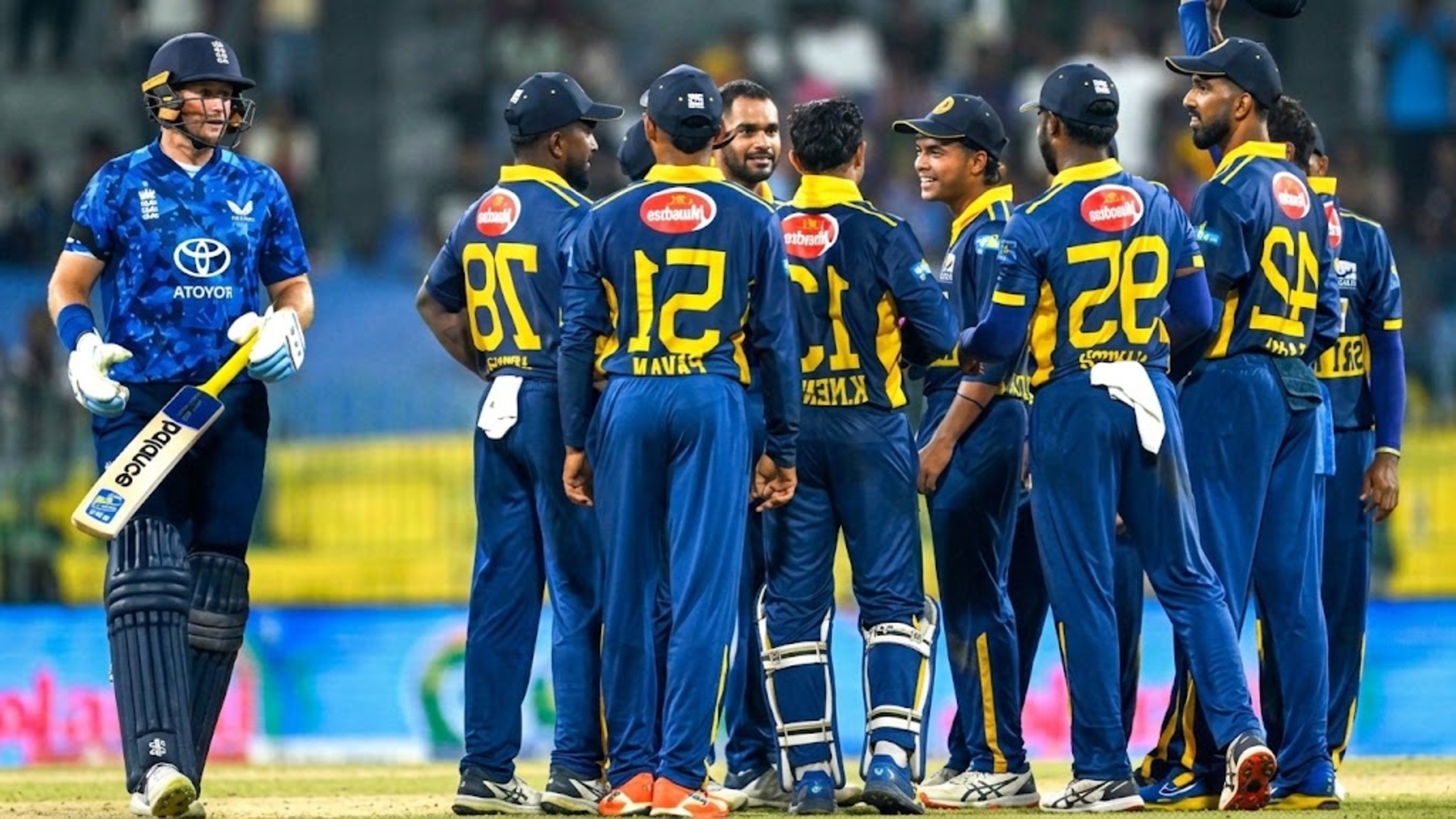
England and Sri Lanka begin a three-match ODI series on September 22, running through September 27 across Chester-le-Street, Leeds and London. Sri Lanka's men's Asian Games cricket squad is due in Japan for a tournament that begins September 24, three days before that ODI series even finishes.
That's not a scheduling coincidence worth shrugging off. It's a direct, overlapping conflict between two legitimate international commitments, both requiring the same pool of elite Sri Lankan cricketers in two different countries during the exact same week.
How cricket's calendar got this crowded
International cricket now runs three full formats, Test, ODI and T20I, layered on top of a growing list of global events: bilateral tours, the Asian Games' cricket return ahead of its LA28 Olympic debut, ICC tournaments, and an expanding calendar of franchise T20 leagues that pay players directly and compete for the same windows national boards are trying to fill with international fixtures.
England and Sri Lanka's own current tour illustrates the density on its own: three T20Is followed immediately by three ODIs, all inside a two-week window, before Sri Lanka's squad would need to pivot straight into a multi-sport Games with its own different format, different opposition, and an entirely different competitive context.
Why this specific overlap matters
The Asian Games carries genuine weight for Sri Lanka Cricket beyond a normal bilateral series, tied directly to cricket's return to the Olympic program at Los Angeles in 2028. A national board weighing whether to send full-strength squads to both commitments simultaneously faces a genuinely difficult choice: prioritize the immediate bilateral series against a major cricketing nation, or the multi-sport event that could matter enormously for the sport's Olympic positioning two years from now.
Neither choice is obviously correct, which is exactly the kind of scheduling failure that shouldn't be a coin flip a national federation has to make on short notice.
What players actually absorb when boards don't coordinate
When two international commitments overlap this directly, the practical result is almost always a split squad, second-string lineups fielded somewhere, or players pulled between formats and countries with barely any recovery time between them. None of that shows up cleanly in headline results. It shows up in fatigue, in injuries that get attributed to bad luck rather than an unsustainable schedule, and in performances that don't reflect a team's actual talent level because half its first-choice players are somewhere else entirely.
Cricket's international calendar has genuinely more moving parts now than at any point in its history. Whether the sport's various governing bodies, the ICC, individual national boards, and event organizers like the Asian Games, actually coordinate around that complexity, or simply keep adding commitments and letting players and squads absorb the collision, is the real question this particular overlap exposes.
Can one cricketing nation realistically field its best possible team in two major competitions running in the same week, or is calendar overload quietly forcing boards to treat some international commitments as more disposable than others?

Sarajevo Back at the Heart of Regional MMA: SFC Returns with Explosive Matchups

How Buzzer Karma Works: Levels, Penalties, and What They Mean

Inside Buzzer's Latest Update (and Why It Changes How You Use the App)

Buzzer Introduces Ads Console: A New Era of Advertising Across the Entire Buzzer Ecosystem

Buzzer Is Evolving: From Quantity to Quality

Buzzer Now Has a Games Hub, and Tournaments Are Coming

Al Ittihad SC's Matches Are Now Live on Buzzer

Palm City vs Gulf United Ends in 1–1 Draw in UAE Second Division League Clash

"We Don't Take the Guy With the Camera." He Built His Own Club Anyway. Now He's Coming to Find You.

Building the Infrastructure Sports Tech Forgot


 1


