




 0
0
The Half-Marathon Record That Should Make Everyone Pay Attention
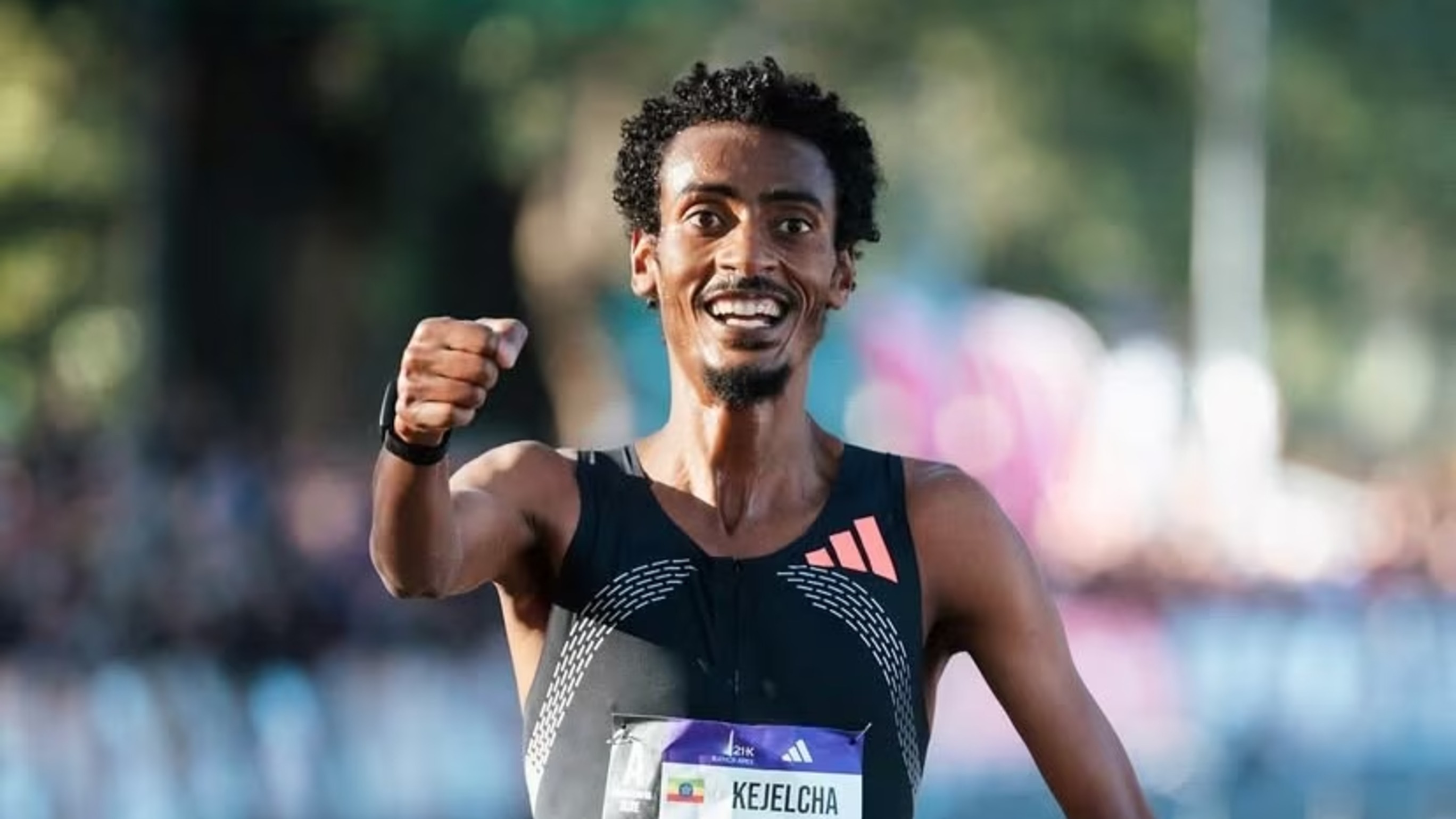
On August 23, 2026, Ethiopian runner Yomif Kejelcha ran a half marathon in Buenos Aires in 56 minutes and 51 seconds, becoming the first man in history to officially break 57 minutes for the distance.
It's the latest chapter in one of the strangest, fastest-moving rivalries in distance running, one that's rewritten this specific world record five times in under two years.
A record that's changed hands like a hot potato
Kejelcha first set the half marathon world record in October 2024, running 57:30 in Valencia, edging Uganda's Jacob Kiplimo's previous mark by exactly one second.
Kiplimo took it back emphatically in February 2025, running 56:42 in Barcelona, an improvement of 48 seconds that World Athletics itself called the greatest single leap in the record's history.
There was just one problem: that run was never ratified, because Kiplimo had run in the slipstream of a lead vehicle for part of the race, violating pacing regulations designed to prevent exactly that kind of artificial assistance.
Kiplimo's official mark instead became a slower 57:20, run in Lisbon this past March.
That's the record Kejelcha demolished in Buenos Aires, taking 29 seconds off it and becoming the first man to run the distance in under 57 minutes under fully compliant conditions, a barrier that had proven stubbornly resistant even as the outright fastest time on record, Kiplimo's disqualified run, had already gone significantly quicker.
Running the second half faster than the first
Kejelcha's run followed the same pattern that made his marathon debut so notable earlier this year: negative splitting, running the second half of the race faster than the first, a pacing strategy that suggests genuine reserves rather than simply surviving to the finish.
He passed 15km in roughly 40:41 before accelerating further over the closing stretch, ultimately averaging 2 minutes 41 seconds per kilometre across the full 21.1km distance.
The performance arrived just months after Kejelcha's marathon debut at the 2026 London Marathon, where he ran 1:59:41 to become the fastest debutant in marathon history, a result that already marked him as one of the most versatile distance runners competing today, equally dangerous from 5,000 metres up through the marathon distance.
Why the disqualified run still matters
The asterisk hanging over Kiplimo's 56:42 in Barcelona is part of what makes Kejelcha's Buenos Aires run so significant.
Runners, coaches and fans have known for over a year that a sub-57-minute half marathon was physically possible, since Kiplimo had already technically done it.
What nobody had done, until Kejelcha's run in Buenos Aires, was achieve that mark in conditions clean enough for World Athletics to actually recognise it.
That distinction, between what's been run and what's been legitimately verified, matters enormously in a sport where record books exist specifically to separate genuine human achievement from anything assisted by external factors the rules were designed to exclude.
Kejelcha's time now sits pending ratification, the standard process for any new world record, but early indications suggest it will stand as the first officially recognised sub-57-minute half marathon in history.
Does a rivalry this fluid, with the record changing hands five times in under two years between essentially two runners, make the achievement feel less special, or does it simply reflect two genuinely once-in-a-generation athletes pushing each other to genuinely uncharted territory?


