





 0

Kenya Is Choosing Its Next Cycling Team. Why Is Road Cycling Still Trying To Break Through?
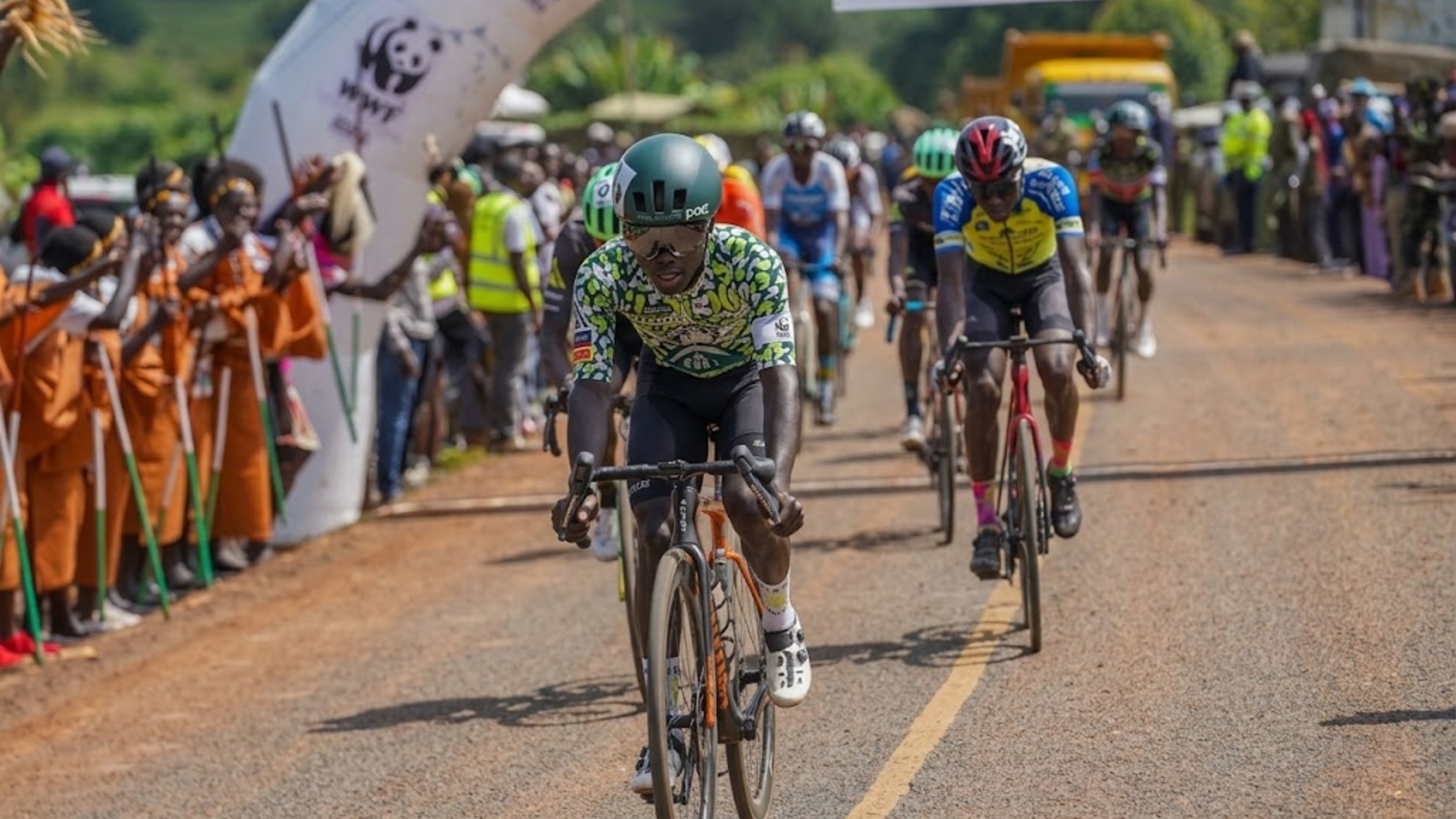
Kisumu will host the African Road Cycling Championships from October 21 to 25. More than 300 riders from over 30 countries are expected, and they’ll race across 15 categories in junior, under-23 and elite fields.
It’s the third year in a row the championships have been held in Kenya, following Eldoret in 2024 and Kwale in 2025. That’s a lot of home advantage for a country still trying to build a road cycling culture.
Three years, three different courses
The Eldoret edition was the first time the championships were ever raced on Kenyan soil, in the competition’s 18th edition. Kwale brought the coast, and Kisumu offers something different again, a flatter lakeside setting around Lake Victoria.
That variety matters. Highland courses reward climbers, coastal roads bring heat and wind, and a flat circuit can favour sprinters and teams that ride well together. Kenyan riders have now faced all three at home.
Eritrea has been the dominant force in the men’s road race in recent years, with South Africa, Rwanda, Algeria and Uganda regularly on the podium. Kenya isn’t in that conversation yet.
Where Kenya actually stands
Kenya’s track record in these championships has been thin. At the edition before Eldoret, held in Ghana, the country didn’t field a single rider in the men’s events, and Nancy Akinyi finished 28th in the women’s road race.
That’s a sobering benchmark, and it shows how far the sport has to go. Hosting three straight championships gives riders more chances to compete at that level, but it doesn’t automatically create the infrastructure that produces them.
Kenya’s federation is holding national selections ahead of the championships, a process that matters more than it sounds. Each rider selected gets a place in national colours in a continental event, which for many is the highest-profile race they’ll ever enter.
The athletics shadow
Kenya’s sporting identity is built on distance running. Talented young athletes grow up with clear pathways and heroes, while road cycling has had to compete for attention and resources with a sport that already dominates the country’s international reputation.
The most famous cyclist born in Kenya, Chris Froome, built his career under a British licence. That’s a telling detail. The country has produced elite talent, but not a system that keeps it.
Team Amani and local events such as the Kaptagat Cycling Challenge are signs of a growing scene, and the federation has made a point of using big events to raise the sport’s profile.
Can hosting build something
Hosting can help in specific ways. It gives spectators a chance to watch professional racing in person, attracts sponsors and gives local governments a reason to invest in roads and facilities. Kisumu’s governor has already said he expects the championships to boost local tourism and create jobs.
What hosting can’t do is produce riders. That takes coaching, equipment, races throughout the year and a path from a local club to a continental team. A five-day championship is a showcase, not a development programme.
The honest test is what happens on October 26. If the roads, the sponsors and the interest stay, the championships will have done more than fill hotels. If not, Kenya will have rented a cycling culture for a week.
Does hosting a continental championship three years running build a cycling culture, or does it just borrow one for a week?

Sarajevo Back at the Heart of Regional MMA: SFC Returns with Explosive Matchups

How Buzzer Karma Works: Levels, Penalties, and What They Mean

Inside Buzzer's Latest Update (and Why It Changes How You Use the App)

Buzzer Introduces Ads Console: A New Era of Advertising Across the Entire Buzzer Ecosystem

Buzzer Is Evolving: From Quantity to Quality

Al Ittihad SC's Matches Are Now Live on Buzzer

Polo Al Taco Expands Its Global Reach Through Weekly Livestreams on Buzzer Arena TV

Buzzer Now Has a Games Hub, and Tournaments Are Coming

Palm City vs Gulf United Ends in 1–1 Draw in UAE Second Division League Clash

"We Don't Take the Guy With the Camera." He Built His Own Club Anyway. Now He's Coming to Find You.


