

 0
0
NBA Free Agency Has Quietly Become Bigger Than the Playoffs
The 2026 NBA offseason didn’t wait for free agency to officially open before it started dominating conversation.
Giannis Antetokounmpo got traded from the Bucks to the Heat on June 22. Days later, LaMelo Ball landed with the Timberwolves and Ja Morant went to the Trail Blazers. Then, the night before free agency even started, the Celtics traded Jaylen Brown to the 76ers for Paul George, reshaping the entire Eastern Conference picture before a single free agent had signed anywhere.
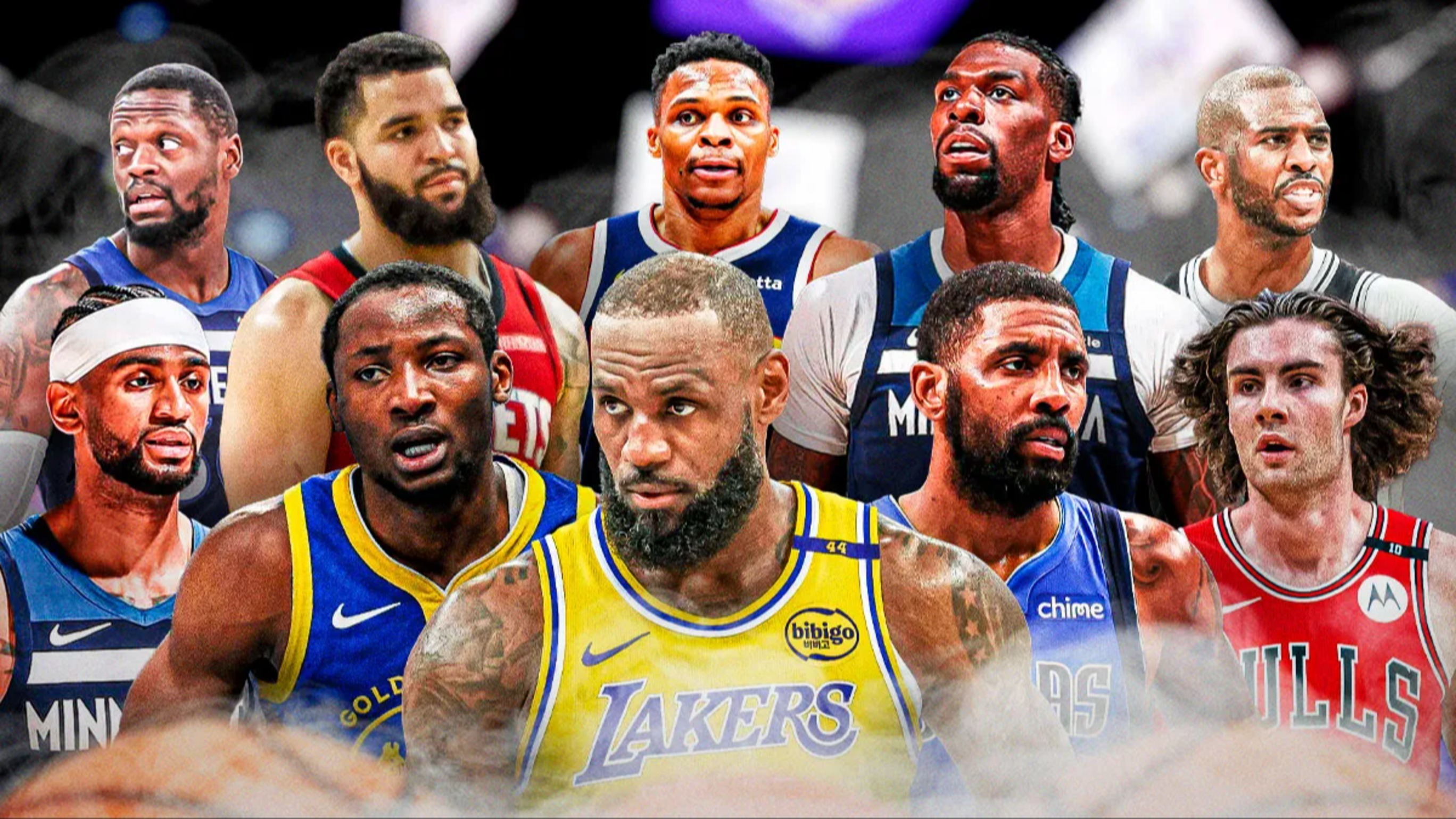
And still, the biggest story of the summer was a player who hadn’t decided anything yet: LeBron James, telling the Lakers he wouldn’t be back, sending the league into speculation mode about where a 41-year-old future Hall of Famer would land next.
None of that happened during a game. All of it happened in July, months before a single regular season possession, and it generated more sustained public conversation than most playoff series do.
Why the offseason took over
Part of this is structural. The NBA offseason compresses an entire year’s worth of roster turnover into a few frantic weeks, meaning fans get blockbuster trade news, big free agent decisions, and draft-night dealing all stacked on top of each other in rapid succession. A single Tuesday can bring more genuinely franchise-altering news than an entire month of regular season basketball.
Part of it is star power specifically. Where LeBron James signs isn’t just a roster decision, it’s treated as a cultural event, complete with the kind of hour-long televised special that made “The Decision” a genuine phenomenon back in 2010. Fans don’t just want to know who wins games. They want to know where the sport’s biggest names choose to build their legacies, and free agency is where that story actually gets written.
The financial reality behind the shift
Teams increasingly treat the offseason with the same strategic weight as an actual playoff run. Analysts now hand out formal grades to every team’s offseason moves the same way they’d grade a Finals performance, evaluating trades, contract structures, and roster fits with the same scrutiny normally reserved for on-court results. Whether Detroit’s swap of Tobias Harris for John Collins actually helps their frontcourt gets debated with the same intensity as whether a specific playoff rotation decision worked.
That shift reflects something real about how fans now consume the league. Roster construction has become its own spectator sport, separate from and arguably more unpredictable than the games themselves, since actual playoff outcomes are at least constrained by who’s already on a roster, while free agency carries genuine any-outcome uncertainty.
What this says about the modern NBA
Two decades ago, an NBA offseason was mostly a quiet stretch fans tolerated between playoff runs. Now it’s appointment viewing in its own right, generating headlines, hot takes, and genuine emotional investment on a level that rivals the games it precedes.
Whether that’s good for the sport long-term is a fair question. It does mean the NBA has built something unusual: a fanbase that shows up just as reliably for a summer of speculation as it does for the actual competition that summer sets up.
Has the NBA offseason genuinely become more entertaining than the playoffs themselves, or does that reflect more about modern sports media’s addiction to speculation than the substance of the moves?


 1
1