




 0
0
How a Small Serbian Town Became an NBA Factory
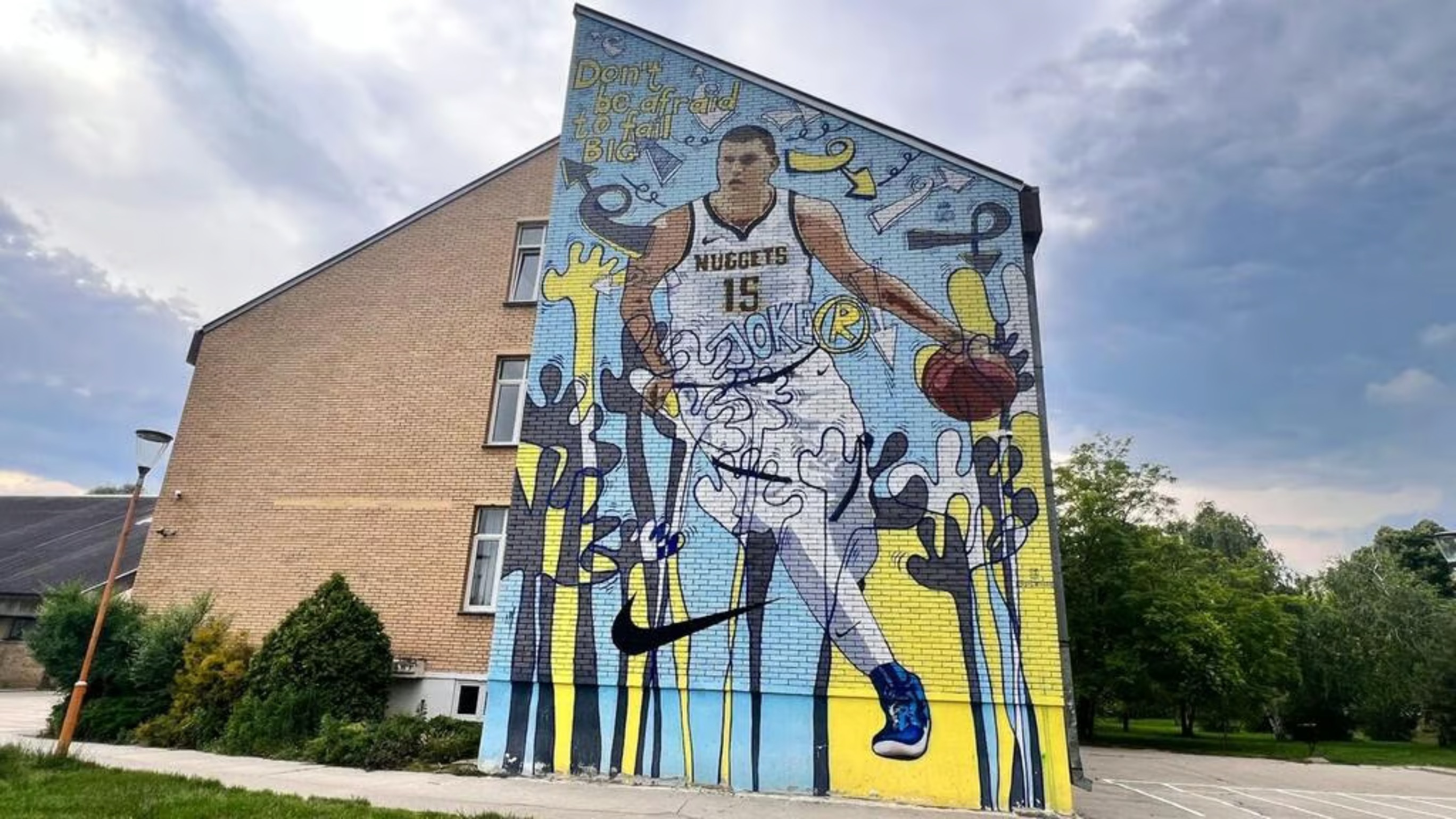
Nikola Jokić grew up in a two-bedroom apartment in Sombor, a small town in northern Serbia most people couldn’t find on a map. He’s now a three-time NBA MVP and an NBA champion, and the way he plays basketball, passing like a point guard from inside a seven-foot frame, didn’t come out of nowhere.
It came out of a basketball culture that’s been quietly producing this exact kind of player for decades.
The system behind the player
After World War II, Yugoslavia’s government pushed team sports as a way to unify a fractured country, and basketball took off hard. What made the Yugoslav, and later Serbian, approach different from the American model was simple: coaches taught every kid the full game, regardless of height. Tall kids learned to dribble and pass. Small kids learned post moves. Nobody got boxed into a position before they’d even finished growing.
Jokić trained through a club called Mega Basket in Belgrade, an academy explicitly built around developing skill over winning youth trophies. Since 2014, Mega has produced 14 NBA players. For context, that’s more than every college basketball program in America except Kentucky, Duke, and UCLA.
Jokić isn’t an isolated miracle. He’s part of a lineage that includes Luka Dončić, Nikola Vučević, Bogdan and Bojan Bogdanović, Jusuf Nurkić, and reaches back to Dražen Petrović in the 1980s and 90s. Currently, thirteen players from the Balkans hold NBA roster spots. That’s an absurd number for a region with a combined population smaller than California.
The forgotten legend behind the legend
There’s a direct historical thread connecting Jokić back to Radivoj Korać, a Sombor-born player who once scored 99 points in a single EuroLeague game and became a Naismith Hall of Famer decades before Jokić was born. Korać is barely remembered outside Serbia now, but in Sombor, people who watched him play see him clearly in Jokić’s game: elite basketball IQ wrapped in a frame nobody expected to move that gracefully.
Jokić still returns to Sombor most offseasons, sometimes with an MVP trophy in the car, and spends his time on his other genuine passion, harness racing horses, a detail that tells you something about how little the NBA machine has changed him.
Why this matters beyond one MVP
The NBA has spent the last several years marveling at “positionless basketball” as some kind of tactical revolution, centers who shoot threes, point guards who post up, everyone doing a bit of everything. American basketball media largely credits this shift to analytics and shifting offensive philosophy in the league itself.
That version of the story skips the fact that Serbia has been teaching this exact approach to children for fifty years, not as an innovation but as the default way the game is taught. Jokić didn’t reinvent what a center could do. He was trained from childhood in a system that never told him a center couldn’t do those things in the first place.
If the NBA wants to know where its next unicorn comes from, it should probably keep watching Sombor.
Should American youth basketball adopt more of the positionless, skill-first coaching model that Serbia has used for decades, or does the current specialized system serve different goals?


