




 0
0
Football Has a Billion-Dollar Problem: Who Actually Owns the Game?
Football is, on paper, still governed the way it has been for over a century: national associations, continental confederations, and FIFA sitting at the top of a democratic-looking pyramid.
In practice, the sport's real centre of gravity has shifted toward whoever controls the largest pools of capital, sovereign wealth funds, private equity groups, multi-club ownership networks and streaming platforms, none of which fit neatly into that traditional governance structure at all.
Sovereign wealth changed what "ownership" means
State-backed investment has transformed a handful of clubs into something closer to national projects than conventional football businesses.
Newcastle United's Saudi Public Investment Fund ownership and Manchester City's Abu Dhabi backing represent the clearest examples: clubs whose spending power and long-term strategic patience operate on a completely different scale from clubs financed through matchday revenue, sponsorship and conventional ownership.
These aren't simply rich owners. They're extensions of state investment strategy, with football serving broader diplomatic and reputational goals alongside any purely sporting ambition.
That distinction matters because it changes the competitive question entirely.
A conventionally wealthy owner can eventually run out of patience or resources. A sovereign wealth fund, by definition, generally can't, at least not on any timeline relevant to a football season or even a decade of them.
Private capital wants in too, and keeps getting turned away
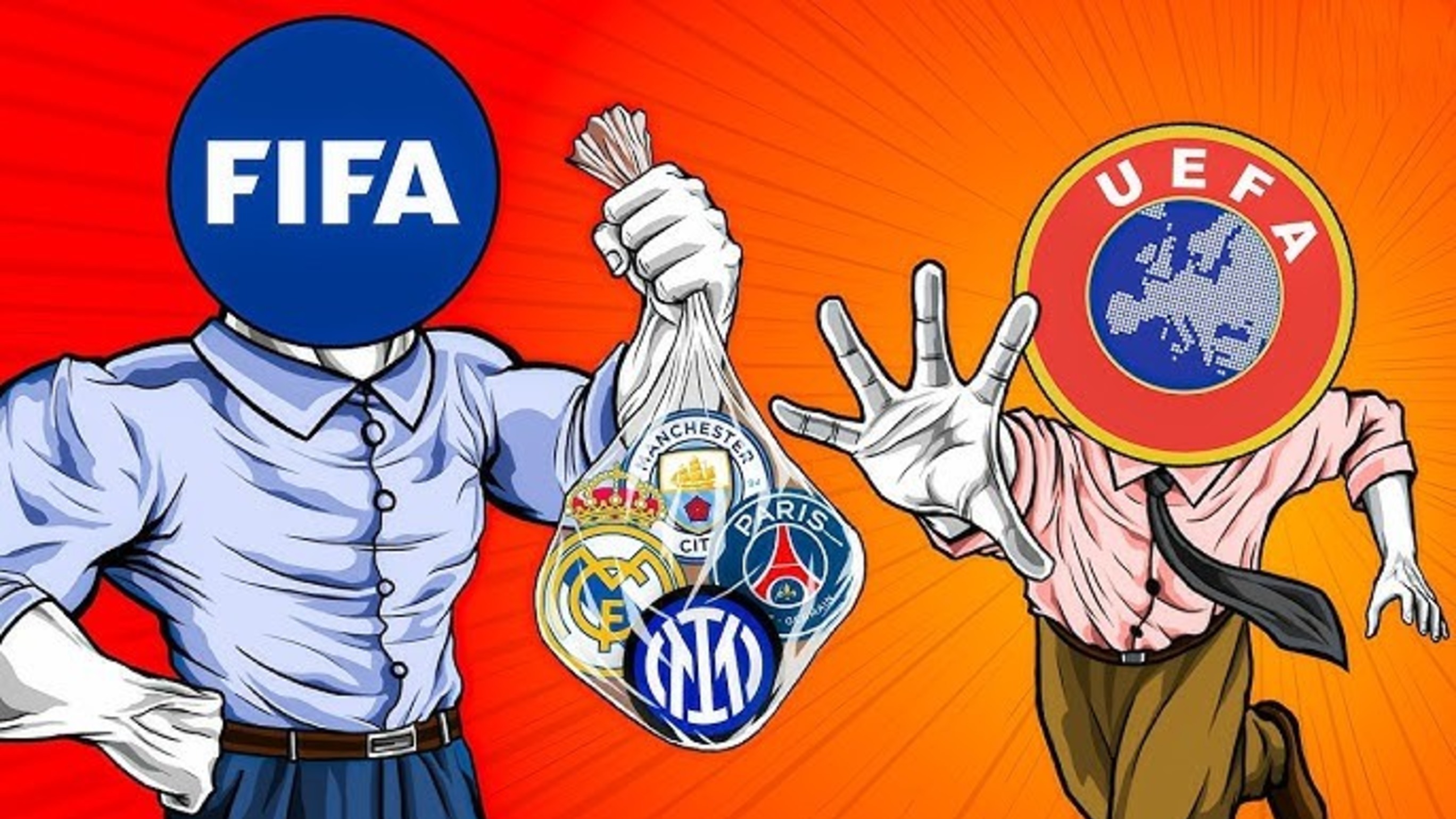
FIFA's own attempted sale of a stake in the World Cup this July, alongside the failed 2021 European Super League and multiple earlier attempts to bring private investment into an expanded Club World Cup, all reflect the same underlying pressure: private equity and outside investors increasingly see elite football's biggest properties as attractive, undervalued assets worth owning a piece of.
Each attempt so far has collapsed under fan and governing-body resistance, but the underlying financial logic driving these proposals, that football's biggest competitions could generate significantly more value under different ownership and financing structures, hasn't gone away just because specific plans keep failing publicly.
Streaming and multi-club networks add two more layers
Broadcasting rights, once split relatively simply between traditional television networks, now increasingly flow through streaming platforms with their own commercial priorities and global ambitions, adding another set of powerful, non-traditional stakeholders to a governance structure never designed to account for them.
Meanwhile, multi-club ownership groups, single investment entities that own stakes in clubs across multiple countries simultaneously, have grown rapidly, creating webs of shared ownership that blur competitive boundaries UEFA and domestic leagues have historically tried to keep strictly separate.
A governance structure straining to keep up
What connects all of this is a basic mismatch: football's official governance still operates as if the sport is primarily organised through national associations voting democratically on shared rules, while the actual money increasingly flows through state wealth funds, private equity, streaming conglomerates and multi-club networks that don't answer to that structure in any meaningful way.
FIFA and UEFA retain formal regulatory power, but the entities actually driving football's financial evolution increasingly sit outside, or only loosely within, the traditional pyramid those bodies were built to oversee.
That gap, between who officially governs football and who actually shapes its financial direction, is likely to keep producing exactly the kind of conflict FIFA's collapsed World Cup investment plan generated this summer: proposals that make sense to whoever's controlling capital, and provoke fierce resistance from a governance structure built for a very different kind of football economy.
Should football's official governing bodies have more power to restrict how much influence outside capital, whether state-backed or private, can exert over the sport, or is that influence now too deeply embedded to meaningfully roll back?


