

 1
1
Swimmers Get Zero Warnings Before Being Disqualified
In most sports, a small mistake early on rarely ends your entire competition instantly. Swimming’s false start rule is different.
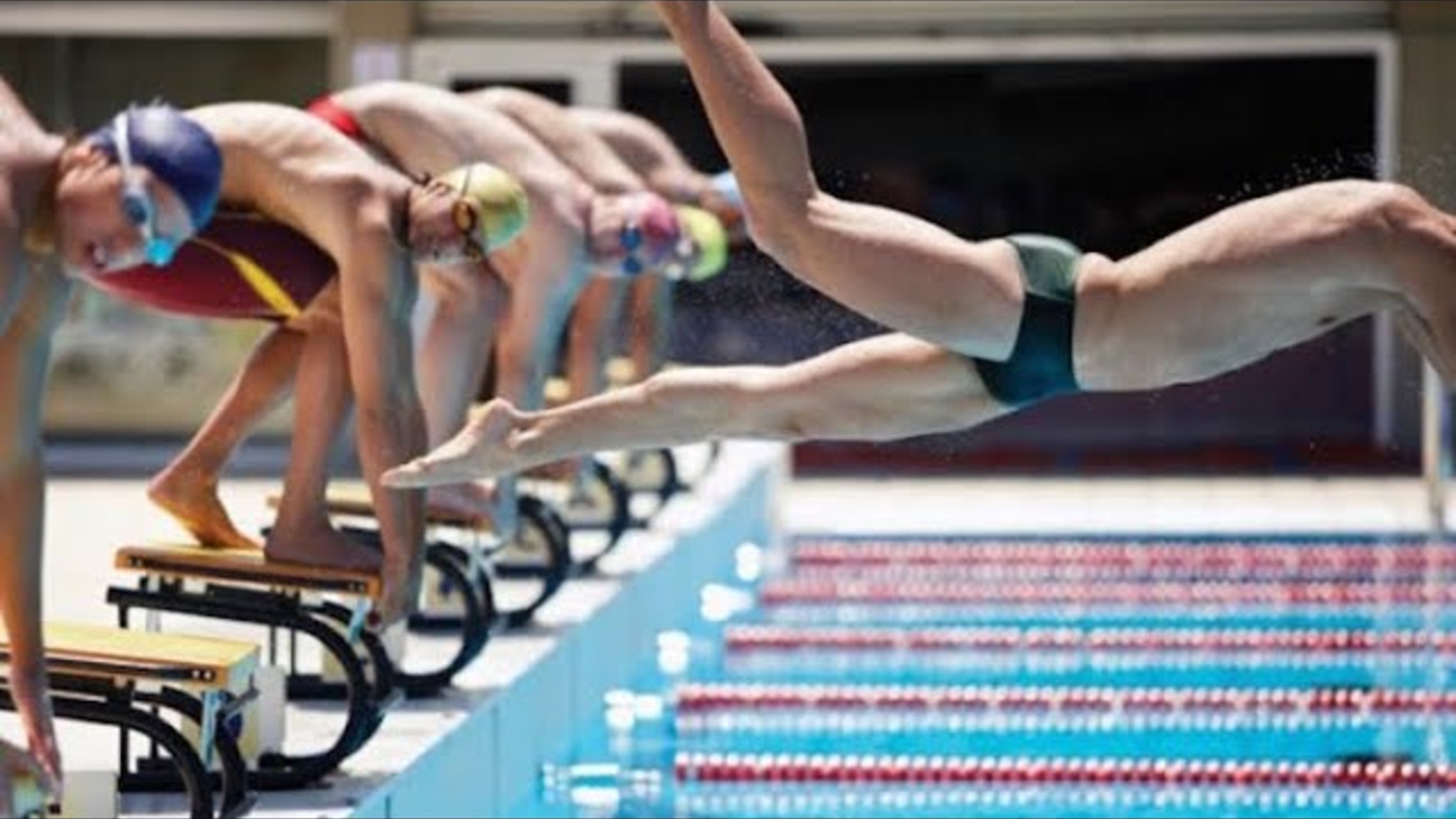
Move even slightly before the starting signal, just once, and a swimmer is disqualified immediately. No warning or second chance. Just one mistake, and you're cooked. Race over, before it even really begins.
A rule that used to be more forgiving
Swimming didn’t always work this way. For years, competitive swimming allowed one false start per race before disqualification actually kicked in, giving swimmers at least some margin for a genuinely accidental early movement caused by nerves or a slippery start block.
That changed as the sport pushed to speed up major competitions and reduce delays. Swimming’s governing body moved to a strict one-and-done rule: the very first false start in a race results in immediate disqualification for whichever swimmer caused it, full stop.
Why such a harsh rule exists
The reasoning comes down to fairness and pace. Multiple false starts in a single race used to genuinely slow major competitions down, especially at events with many races scheduled close together, like the Olympics.
A stricter rule keeps the schedule moving and removes any temptation for a swimmer to deliberately trigger a false start as a way to unsettle other competitors before a race that matters.
It also puts real pressure on athletes to have flawless starting technique, since a swimmer who’s slightly too eager off the blocks, even by a fraction of a second, faces the harshest possible consequence for that mistake.
The human cost of a strict rule
The rule has produced genuinely heartbreaking moments over the years. Athletes who’ve trained for years for a single race have been disqualified before the race even properly started, sometimes over movements so small that television replays needed multiple angles just to confirm what actually happened.
Critics argue the rule is too harsh for what’s often an honest, unintentional mistake. Supporters argue that any softer rule would slow down major competitions and create opportunities for gamesmanship.
Swimming’s governing body has stuck with the strict version for years now, despite the criticism.
The technology that makes enforcement possible
Modern starting blocks are built with sensitive pressure sensors that detect the exact moment a swimmer’s feet leave the block, timed against the starting signal down to a fraction of a second.
That precision is part of why the rule can be enforced so strictly and consistently across major competitions today, removing much of the guesswork that older, purely visual judging once relied on when officials had to decide false starts by eye alone.
Some coaches now train swimmers specifically on reaction timing off the blocks, treating the start itself as its own discrete skill worth dedicated practice time, separate from stroke technique or race pacing.
Is a zero-tolerance rule like this one fair, given how much can be lost over a mistake that might be genuinely unintentional and barely visible to the human eye?


 1
1