





 0

Can Better Swimming Facilities Change Which Countries Win Olympic Medals?
Ahmed Hafnaoui was 18 when he won the 400 metres freestyle at the Tokyo Olympics. He had squeezed into the final as the slowest qualifier, and he swam like someone who hadn’t been told.
It was one of the great upsets in recent Olympic swimming. It was also a Tunisian victory in a sport where medals have traditionally gone to countries with deep pools of money and facilities.
Why swimming depends on infrastructure
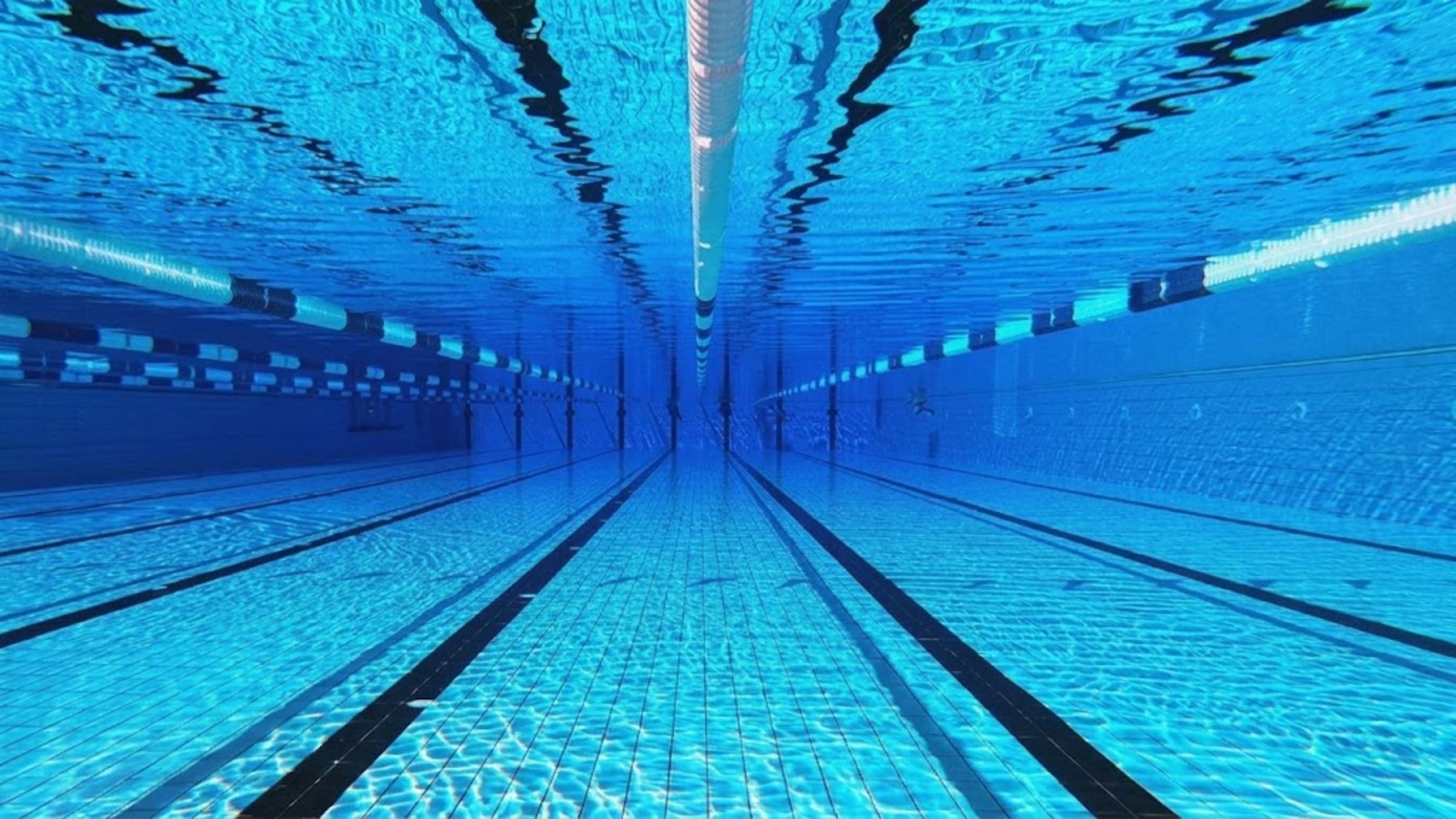
Running needs a road. Swimming needs a pool, and an Olympic-length one is 50 metres. In many countries a pool that size is a rarity, and swimmers may have to train in shorter pools or open water that doesn’t match race conditions.
Pool access shapes everything. Hours of training depend on when lanes are available, and coaches need space to run proper sessions. Without a good pool, a swimmer’s improvement slows.
The facility is only the start. Swimming also depends on technical coaching, because small stroke details change speed. Strength and conditioning, video analysis and sports science all add up, and they’re easiest to get in places that already have money.
The Coventry route
Kirsty Coventry is the clearest example of how the system really works. She was born in Zimbabwe, went to Auburn University in Alabama, and trained there at a world-class level. She won seven Olympic medals, two of them gold in the 200 metres backstroke, all while representing Zimbabwe.
She is now president of the International Olympic Committee, having taken office in 2025, which makes her story unusually public. It also shows how many African medals have been shaped by facilities elsewhere.
Her career is inspiring, and it also raises a point about ownership. Her country supplied the talent. An American university supplied the pool, the coaches and the competition.
The cost of leaving
The college route works for individuals, but it can leave home countries with nothing to build on. If the best swimmers leave at 18, the sport at home has few role models and little reason to invest. Younger swimmers see a pathway that begins by emigrating.
That’s why some federations try to build domestic training centres. A single high-quality pool with a good coach can anchor a whole region. It doesn’t need to be extravagant. It needs to be reliable, accessible and staffed by people who know what elite swimming looks like.
Schools matter, too. Countries that run swimming programmes in schools find more talent early, because more children get a chance to try the sport. A kid who never sees a pool can’t discover he’s gifted.
What talent can and can’t do
Talent can compensate for a lot at the start. A gifted swimmer can improve quickly in a basic environment, and some will reach national level without much help. The ceiling arrives when marginal gains matter.
At the Olympic level, the gaps are small. A tenth of a second can decide a medal, and that’s where facilities and coaching make the difference. A swimmer who has the best pool, the best analysis and the best competition simply has more ways to find that tenth.
That’s why Hafnaoui’s win is so remarkable. He beat swimmers who had every advantage the sport can offer, and he did it at his peak. The question is whether a system can produce that result regularly rather than once.
If it can, the investment pays back. If it can’t, the medal tables will keep leaning toward the countries that already have the pools.
The optimistic version is that a single success changes how a country sees the sport, as in other sports. Facilities follow results, and results follow facilities, so progress can start from either end if somebody commits.
So if the best swimmer from a country without proper pools has to emigrate to become great, does the medal belong to her country or to her college?

Sarajevo Back at the Heart of Regional MMA: SFC Returns with Explosive Matchups

How Buzzer Karma Works: Levels, Penalties, and What They Mean

Inside Buzzer's Latest Update (and Why It Changes How You Use the App)

Buzzer Introduces Ads Console: A New Era of Advertising Across the Entire Buzzer Ecosystem

Buzzer Is Evolving: From Quantity to Quality

Al Ittihad SC's Matches Are Now Live on Buzzer

Polo Al Taco Expands Its Global Reach Through Weekly Livestreams on Buzzer Arena TV

Buzzer Now Has a Games Hub, and Tournaments Are Coming

Palm City vs Gulf United Ends in 1–1 Draw in UAE Second Division League Clash

"We Don't Take the Guy With the Camera." He Built His Own Club Anyway. Now He's Coming to Find You.


