




 0
0
F1’s Biggest Performance War Happens Where Nobody Can See It
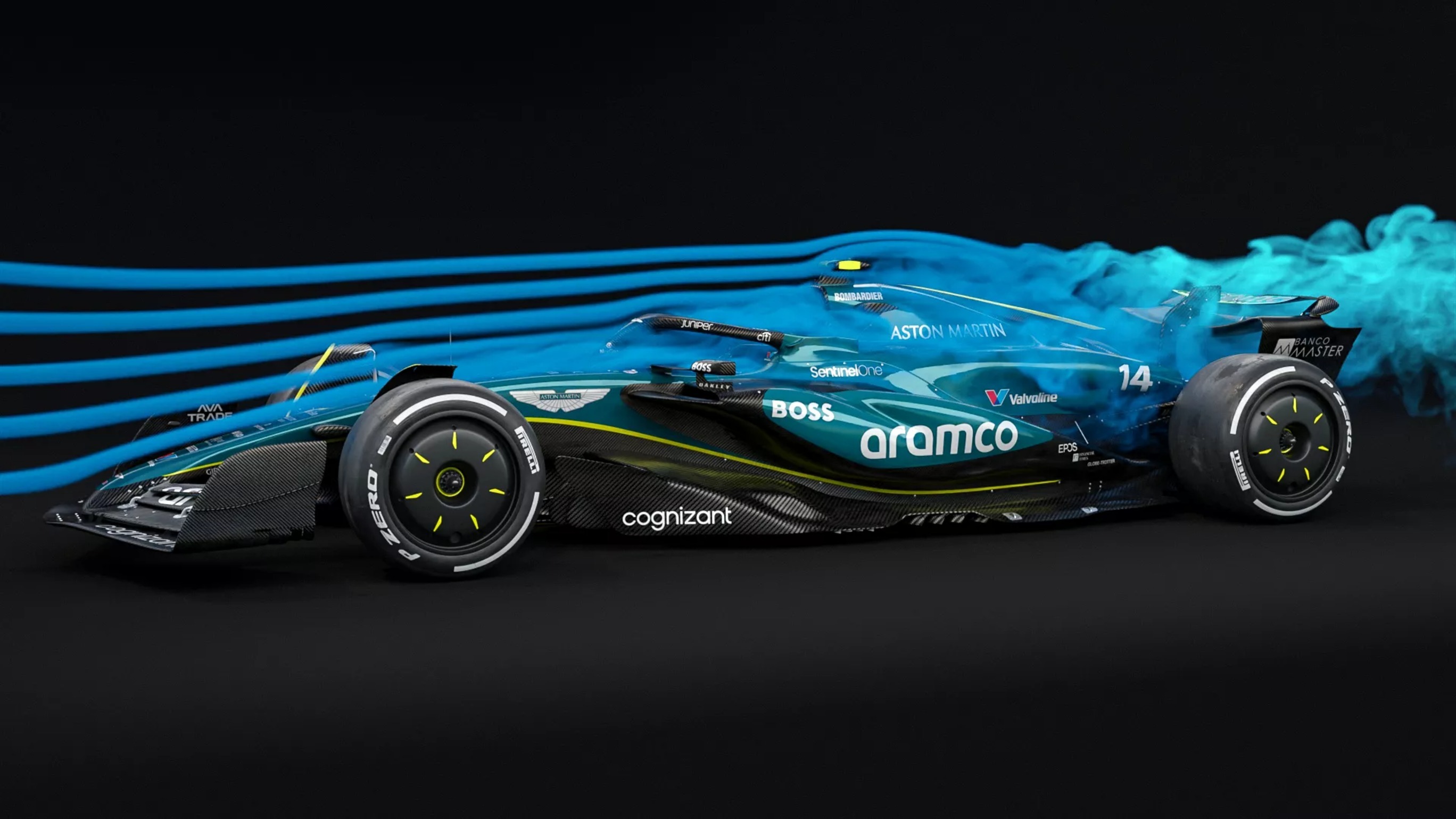
Watch a Formula 1 car go past and the obvious things stand out: the engine noise, the wing shapes, the tyres. The actual battle that decides most races is happening somewhere you can’t see it at all.
Aerodynamics, the way air flows over, under, and around the car, has become the single biggest performance differentiator in the sport, and teams spend more money chasing invisible airflow than almost anything else on the car.
From bolted-on wings to sculpted airflow
F1 cars didn’t always look like this. Through the 1950s and much of the 1960s, cars were essentially shaped like cigars, designed around mechanical grip and raw engine power rather than any real attempt to manage the air around them. Wings only started appearing on F1 cars in the late 1960s, bolted on almost as an afterthought, and it took years of trial, error, and a few dramatic wing failures before teams fully grasped how much performance was sitting in the air itself rather than the engine bay.
Everything changed once teams like Lotus began exploring ground-effect aerodynamics in the late 1970s, shaping the underside of the car to accelerate air beneath it and effectively suck the car down onto the track. It was such an effective idea that it eventually needed to be banned and later reintroduced under strict new regulations, precisely because it gave whoever mastered it first an enormous, difficult-to-close advantage.
A discipline built on things you’ll never notice
Modern F1 aerodynamics involves managing airflow through dozens of tiny surfaces most fans never register: bargeboards, floor edges, diffusers, barge-board vortices, and front-wing endplates, each one shaping how air moves toward the next component down the car. A change of a few millimetres to a barely visible winglet can be worth more lap time than an entire engine upgrade, which is part of why teams treat their aerodynamic data with the same secrecy as a national security asset.
Wind tunnels and computational fluid dynamics simulations, essentially supercomputers modelling airflow down to the smallest detail, now run around the clock at every major team’s factory. The sport’s cost cap even restricts how much wind tunnel and simulation time teams are allowed, specifically because unlimited aerodynamic development had become one of the clearest ways a wealthy team could simply out-spend everyone else into submission.
Why this matters more than almost anything else
The reason aerodynamics dominates F1 development isn’t complicated once you understand what it does: more downforce means more grip, which means a car can carry more speed through every single corner on a lap without losing control. Improve that across an entire circuit and the gains compound race after race, all season long. Engine performance in the current hybrid era is tightly regulated and has largely converged between manufacturers. Aerodynamics remains the area with the most room for teams to genuinely out-think each other.
That’s the strange truth at the heart of the sport: the fastest car on the grid usually isn’t the one with the most raw power. It’s the one whose engineers understood something about air that nobody else’s did.
Should a sport built around driver skill be this heavily decided by which team’s engineers understand invisible airflow best, or is that simply part of what makes F1 an engineering contest as much as a driving one?


