





 0
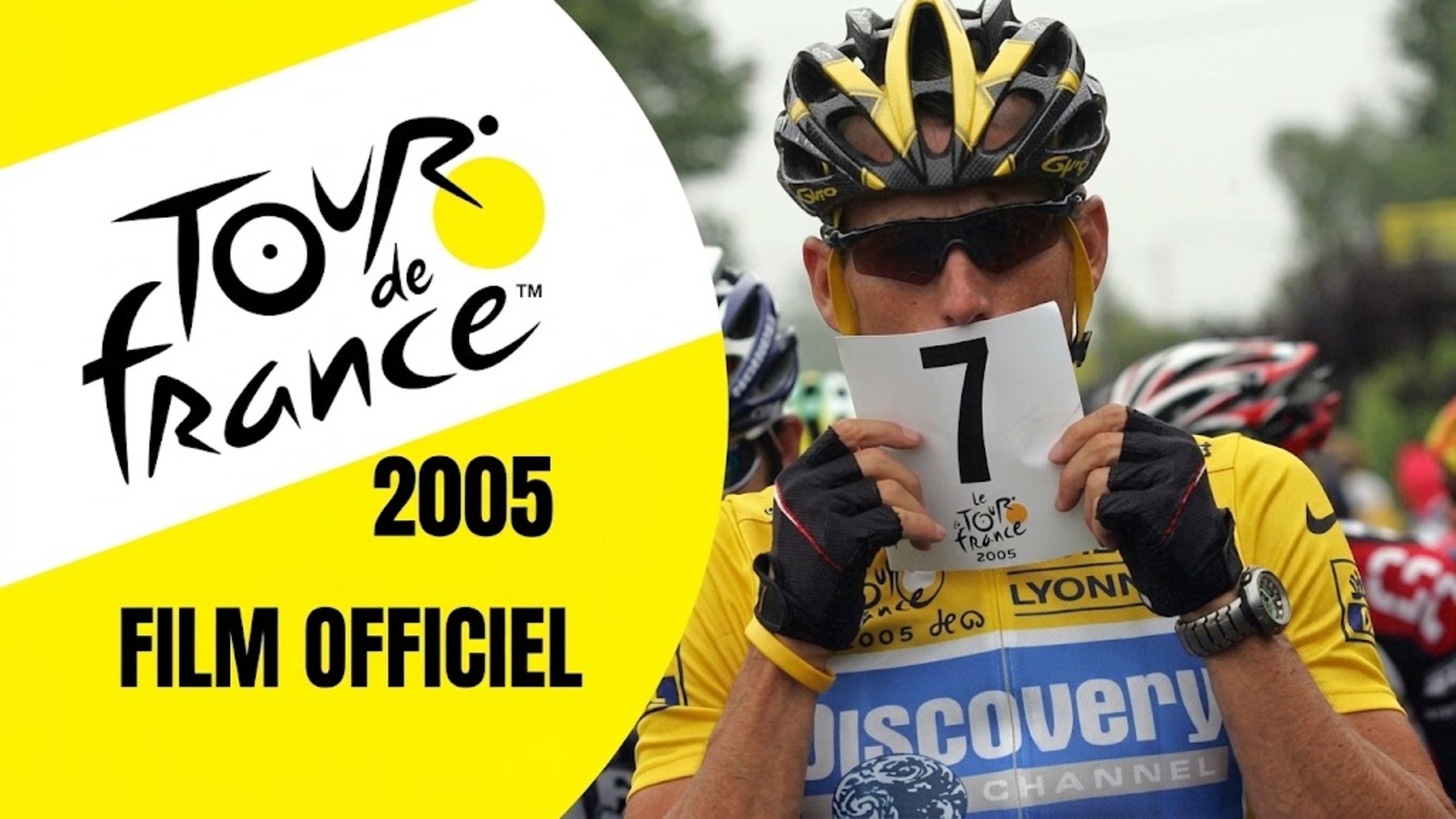
For Seven Straight Tours, the Tour de France Technically Has No Winner
Check the official Tour de France record books for 1999 through 2005 and you won't find a champion listed. Seven consecutive editions, blank, sitting in the middle of the race's history like a hole nobody's ever actually willing to patch.
Lance Armstrong won all seven, on the road, in front of millions of people lining the route each July. The record books disagree entirely.
Stripped, not reassigned
In 2012, after a US Anti-Doping Agency investigation built on testimony from former teammates, Armstrong was stripped of all seven titles and banned from the sport for life. The natural next question is obvious: who actually won those years, then?
The UCI, cycling's governing body, decided not to name replacement champions. Doping was so widespread in that era that promoting the runner-up in each race would have meant crowning someone who, in several cases, had doping questions of their own hanging over their results too.
A victory that became evidence
What makes the seven-year run especially remarkable is how dominant Armstrong appeared during it. He didn't merely win the Tour repeatedly; he built an image around being almost impossible to beat, turning the race into a yearly test of whether anyone could finally break his grip. His performances helped make him one of the most famous athletes in the world, while his cancer-survival story made the victories even more powerful to the public.
Years later, that same dominance became part of the problem. The investigation didn't simply erase seven results from a spreadsheet. It forced cycling to reconsider how much of what fans had watched, celebrated and believed was actually legitimate. Armstrong's stripped titles therefore became more than missing trophies. They became a symbol of how difficult it is for a sport to separate genuine achievement from an era in which cheating had become deeply embedded in elite competition.
A gap that admits something uncomfortable
Leaving the years blank was, in its own way, an honest decision. Naming a second-place rider champion would have implied that everyone below Armstrong was clean, and the evidence from that period doesn't really support that reading of the field at all.
It's a strange kind of record book entry. Seven years where the race definitely happened, a winner definitely crossed the line first in Paris, and the sport's own governing body still won't put a name next to it, leaving fans to fill in the blank themselves depending on who they ask.
The era it represents
Armstrong wasn't operating alone. The years around his run are widely regarded as cycling's most doping-saturated period, sometimes referred to by journalists covering the sport as an entire lost generation of racing. Riders on rival teams from that period have separately admitted to doping themselves, in confessions and investigations spanning more than a decade after the fact, some only surfacing years later.
The blank years function almost like an asterisk stretched across seven entire seasons, a permanent gap in the record book that cycling has simply learned to live with rather than resolve outright.
If a governing body can't name a legitimate winner for seven straight years of its own flagship event, does leaving that gap blank actually resolve anything, or does it just make the hole more visible every July when the race rolls around again?

Sarajevo Back at the Heart of Regional MMA: SFC Returns with Explosive Matchups

How Buzzer Karma Works: Levels, Penalties, and What They Mean

Inside Buzzer's Latest Update (and Why It Changes How You Use the App)

Buzzer Introduces Ads Console: A New Era of Advertising Across the Entire Buzzer Ecosystem

Buzzer Is Evolving: From Quantity to Quality

Buzzer Now Has a Games Hub, and Tournaments Are Coming

Polo Al Taco Expands Its Global Reach Through Weekly Livestreams on Buzzer Arena TV

Al Ittihad SC's Matches Are Now Live on Buzzer

Palm City vs Gulf United Ends in 1–1 Draw in UAE Second Division League Clash

"We Don't Take the Guy With the Camera." He Built His Own Club Anyway. Now He's Coming to Find You.


 1


