




 0
0
Swimming Once Got So Fast They Had to Ban the Swimsuits
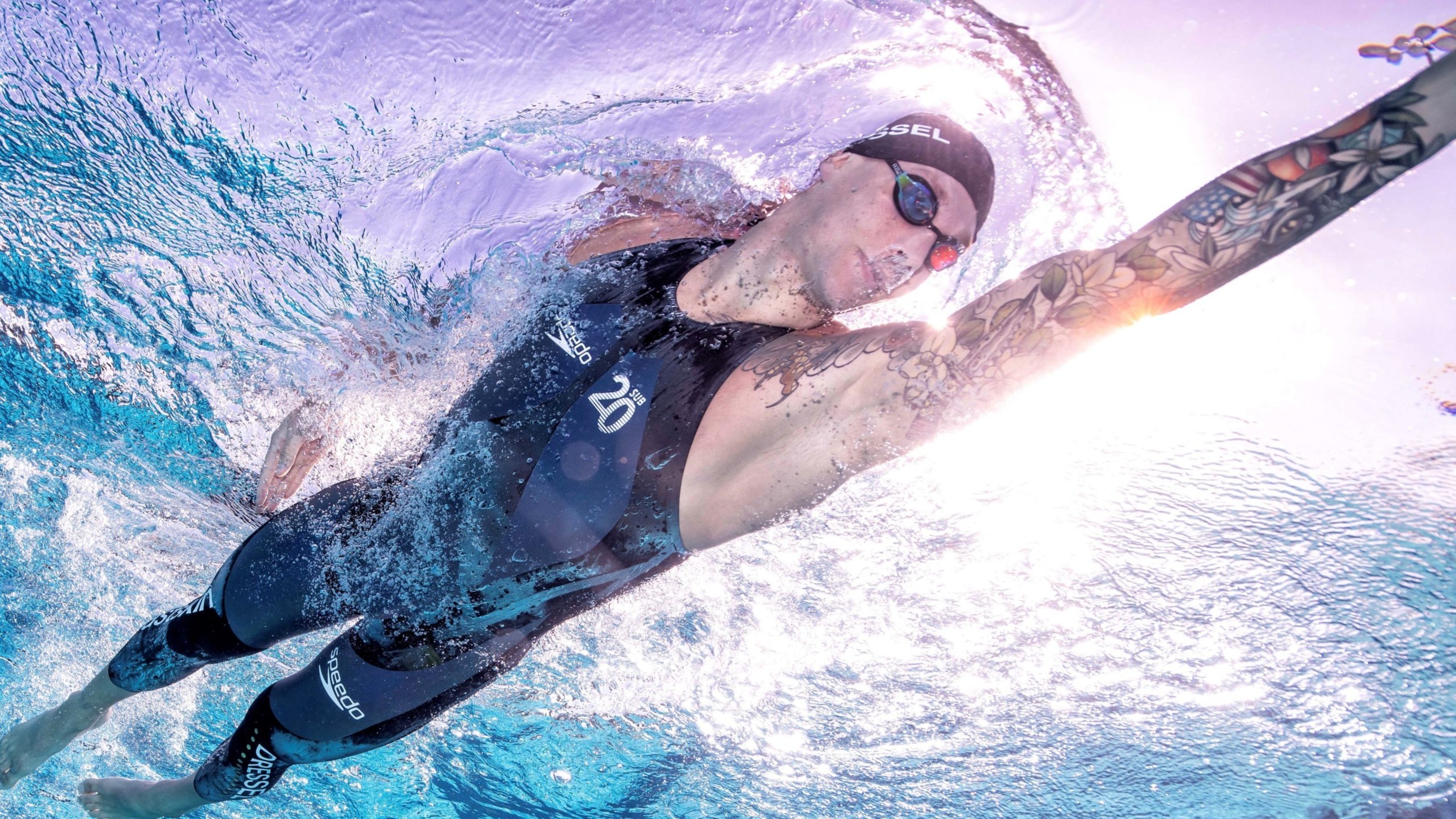
In February 2008, Speedo released a swimsuit called the LZR Racer, developed with help from NASA’s wind tunnel testing. Within seventeen months, swimmers wearing it and its imitators had broken more than 130 world records.
The sport’s governing body eventually had no choice but to ban the technology entirely. Swimming had gotten too fast, and almost nobody believed the swimmers themselves were the reason why.
A suit designed like a rocket, not a garment
The LZR Racer combined woven nylon with polyurethane panels that compressed a swimmer’s body into a more hydrodynamic shape, reduced drag, and trapped air to increase buoyancy.
At the 2008 Beijing Olympics, 23 of the 25 world records broken were set by swimmers wearing it, including Michael Phelps during his historic eight-gold-medal run. Speedo claimed that 94 percent of races and 98 percent of medals at those Games went to athletes wearing the suit.
Rival manufacturers scrambled to catch up. Arena, Jaked and others released their own full-body polyurethane suits, some covering the swimmer entirely in non-porous material. The arms race between suit makers pushed times down further and further, culminating at the 2009 World Championships in Rome, where an almost unbelievable 43 world records fell in a single meet.
“Technological doping”
The term swimmers and journalists reached for was “technological doping,” and it wasn’t just a figure of speech. Michael Phelps, the sport’s biggest star and a Speedo-sponsored athlete himself, lost a high-profile race to German swimmer Paul Biedermann at that 2009 World Championships, with Biedermann wearing a full polyurethane suit Phelps wasn’t. The loss, more than almost anything else, forced the sport’s governing body to act.
FINA, now known as World Aquatics, voted to ban non-textile, full-body suits before the 2009 World Championships had even finished, with the new rules taking effect on January 1, 2010. From that point on, suits had to be made from woven textile materials, with strict limits on coverage: no higher than the navel or lower than the knee for men, no covering the neck or shoulders for women.
Records that outlasted the suits by years
The effect was immediate and dramatic. In the years right after the ban, world records became far harder to break, since so many of the times set during the supersuit era had been boosted by technology rather than pure improvement in athletes. Some records from 2008 and 2009 stood untouched for well over a decade, a strange kind of ceiling created not by human limits, but by rules written specifically to make sure technology couldn’t push past them again.
Researchers who later modelled what modern swimmers would run in the banned suits found some of the projected times almost unbelievable, suggesting the technology’s effect was even larger than the record-breaking spree at the time made it look.
Swimming has never fully recreated that two-year window since. Every modern competitive suit exists within the tight limits FINA drew up in 2009, a permanent reminder of the one stretch in the sport’s history when the fabric mattered almost as much as the athlete wearing it.
Should a sport ever count records set during a period later judged to have been unfair, even if nothing the athletes themselves did was against the rules at the time?


