





 1
Women's Basketball Has a New Global Problem: There Isn't Enough Room for All the Stars
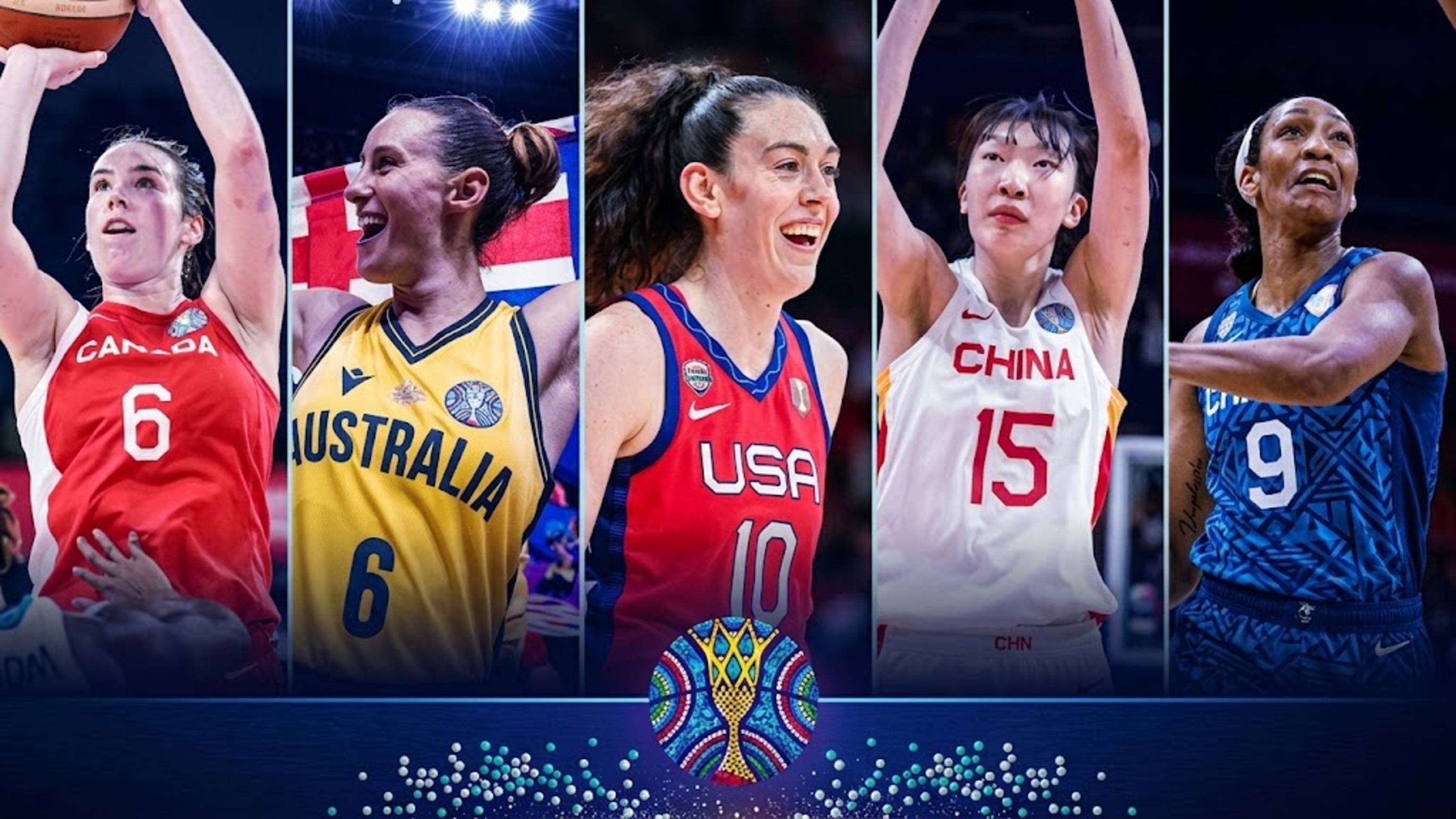
The New York Liberty sent seven players to the FIBA Women's World Cup in Berlin, representing six different countries. That means, for the length of this tournament, a single WNBA roster is scattered across six separate national teams, several of which could end up facing each other before the competition ends.
That's not a Liberty-specific quirk. It's the shape of the entire tournament: 15 of the 16 competing nations have at least one current WNBA player, and roughly 70 total across the field.
Why "too much talent in one place" is a genuinely new problem
Women's basketball has spent decades trying to solve the opposite issue: too few nations with genuine depth, and too much of the sport's elite talent concentrated in the United States alone. This tournament represents almost the inverse situation, a talent pool so globally distributed that a single WNBA franchise's roster can no longer even be treated as one unified group during international windows.
That's a genuinely unusual scheduling and competitive challenge for a sport to have, and it reflects just how quickly the WNBA's international representation has grown.
Why this creates real tension for WNBA franchises
A team like the Liberty effectively loses its entire roster to national team duty during this tournament window, with players who spend the regular season as teammates now directly competing against each other. That fragmentation makes coordinated rest, training and injury management genuinely difficult for WNBA front offices, who have no real say over how hard a player's national team pushes them during the international break.
It also raises quieter questions about player welfare, since athletes who've already completed a full WNBA season are immediately stepping into high-intensity international competition with minimal recovery time between the two.
Why this global distribution is still, overall, a positive development
Despite the logistical complications, a talent pool this deep and distributed reflects genuine, healthy growth for the sport worldwide. A decade ago, most nations at this tournament would have fielded rosters almost entirely built from domestic or lower-tier international leagues. Having the majority of competing nations stocked with legitimate WNBA-level talent produces a far more competitive, unpredictable tournament than the sport has typically seen.
France's near-upset of Team USA at the 2024 Olympics, decided by a single point, is direct proof that global depth is already reshaping outcomes at the highest level.
What this means for how the WNBA manages its international calendar
If this pattern continues to grow, the WNBA and its franchises will likely need more formal frameworks for managing player workload during major international tournaments, treating it as a genuine, recurring scheduling reality rather than an occasional disruption. That's a meaningfully different operational challenge than the league has had to seriously plan around before.
Fifteen of sixteen World Cup teams now have direct WNBA representation, spreading the league's own talent across the entire global competitive field. Is that depth ultimately good for the WNBA's own competitive and commercial interests, or does it create a genuine scheduling and player welfare problem the league still needs to figure out how to manage?

Sarajevo Back at the Heart of Regional MMA: SFC Returns with Explosive Matchups

How Buzzer Karma Works: Levels, Penalties, and What They Mean

Inside Buzzer's Latest Update (and Why It Changes How You Use the App)

Buzzer Introduces Ads Console: A New Era of Advertising Across the Entire Buzzer Ecosystem

Buzzer Is Evolving: From Quantity to Quality

Buzzer Now Has a Games Hub, and Tournaments Are Coming

Al Ittihad SC's Matches Are Now Live on Buzzer

Palm City vs Gulf United Ends in 1–1 Draw in UAE Second Division League Clash

"We Don't Take the Guy With the Camera." He Built His Own Club Anyway. Now He's Coming to Find You.

Building the Infrastructure Sports Tech Forgot


 2


