





 0
Tennis Doesn't End With The US Open. This Fall Proves It.
Most casual tennis fans mentally close the book on the season once the US Open trophy gets lifted in September. The tour itself keeps running for another two months, through Shanghai, Beijing, Wuhan, Vienna, Basel and Paris, culminating in the ATP and WTA Finals in November. This particular fall stretch has already proven anything but a quiet afterthought.
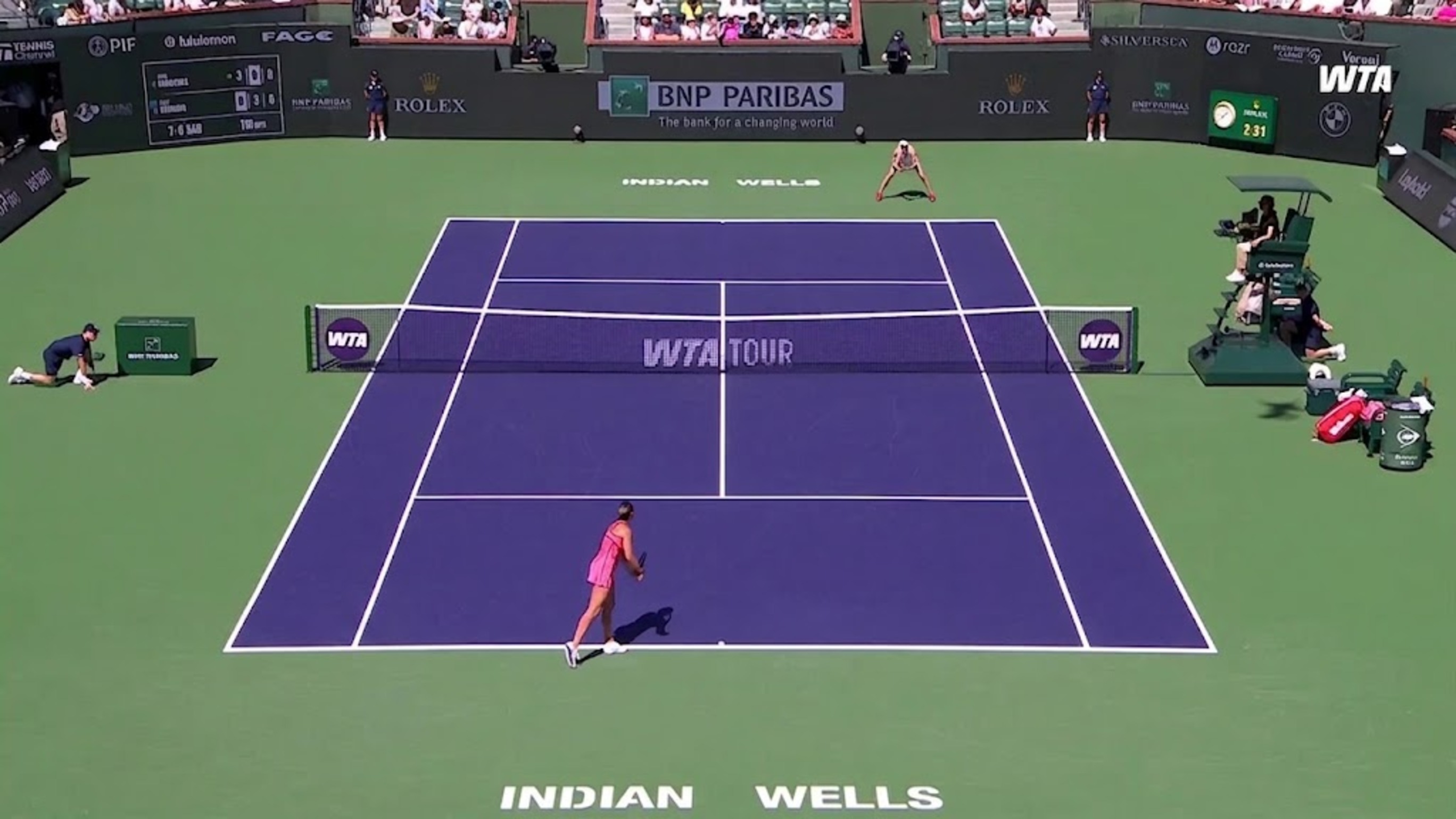
The WTA Finals were originally scheduled for Riyadh, Saudi Arabia, for a third consecutive year. They've instead been relocated to Indian Wells, California, after safety concerns tied to the 2026 Iran War forced the WTA to end its three-year Saudi hosting contract six months early.
Why a season-ending event's location suddenly became a genuine story
Tour Finals events aren't simply the season's last tournament. They're the culmination of an entire year's ranking-points race, contested exclusively by the eight highest-ranked players and doubles teams, and they typically carry the single largest prize purse outside the majors themselves, $15.5 million for this year's WTA Finals. Relocating an event of that scale on short notice, driven by regional security concerns rather than any planned rotation, is a genuinely unusual disruption to a competition most fans assume is locked in years in advance.
That relocation also reflects something broader about how global instability increasingly intersects with major sporting calendars generally, tennis included, in ways that go well beyond simple venue logistics.
Why the rest of the fall calendar still carries real weight
Beyond the Finals themselves, the stretch of Masters and 1000-level events separating the US Open from November determines which eight players actually qualify for the season-ending showcase in the first place. Shanghai's ATP 1000, the second-to-last event of that tier, along with the concurrent Beijing and Wuhan WTA events, and the November Paris Masters, all carry genuine ranking-points weight that directly shapes the final Finals field.
For players sitting just outside the automatic top-seven qualification cutoff, this fall stretch isn't a wind-down. It's often the single most consequential remaining opportunity of the entire year to secure a place among tennis's eight most exclusive season-ending invitees.
Why fans tuning out after the US Open miss something real
Treating the fall calendar as an afterthought means missing both genuine sporting stakes, who actually qualifies for the season's culminating event, and genuine off-court news, like a marquee tournament getting uprooted from Saudi Arabia entirely due to regional conflict. Neither of those storylines fits the common assumption that tennis's meaningful season effectively ends in September.
Why does the sport's own promotional focus shrink so dramatically after the US Open despite genuine ranking stakes and, this year, genuinely newsworthy disruption still playing out through November, and does that mismatch between actual stakes and actual attention cost tennis meaningful audience engagement during a part of the season that clearly still matters?

Sarajevo Back at the Heart of Regional MMA: SFC Returns with Explosive Matchups

How Buzzer Karma Works: Levels, Penalties, and What They Mean

Inside Buzzer's Latest Update (and Why It Changes How You Use the App)

Buzzer Introduces Ads Console: A New Era of Advertising Across the Entire Buzzer Ecosystem

Buzzer Is Evolving: From Quantity to Quality

Buzzer Now Has a Games Hub, and Tournaments Are Coming

Polo Al Taco Expands Its Global Reach Through Weekly Livestreams on Buzzer Arena TV

Al Ittihad SC's Matches Are Now Live on Buzzer

Palm City vs Gulf United Ends in 1–1 Draw in UAE Second Division League Clash

"We Don't Take the Guy With the Camera." He Built His Own Club Anyway. Now He's Coming to Find You.


 2


