





 1
Asian Games MMA Looks Nothing Like The UFC. That's Exactly The Point
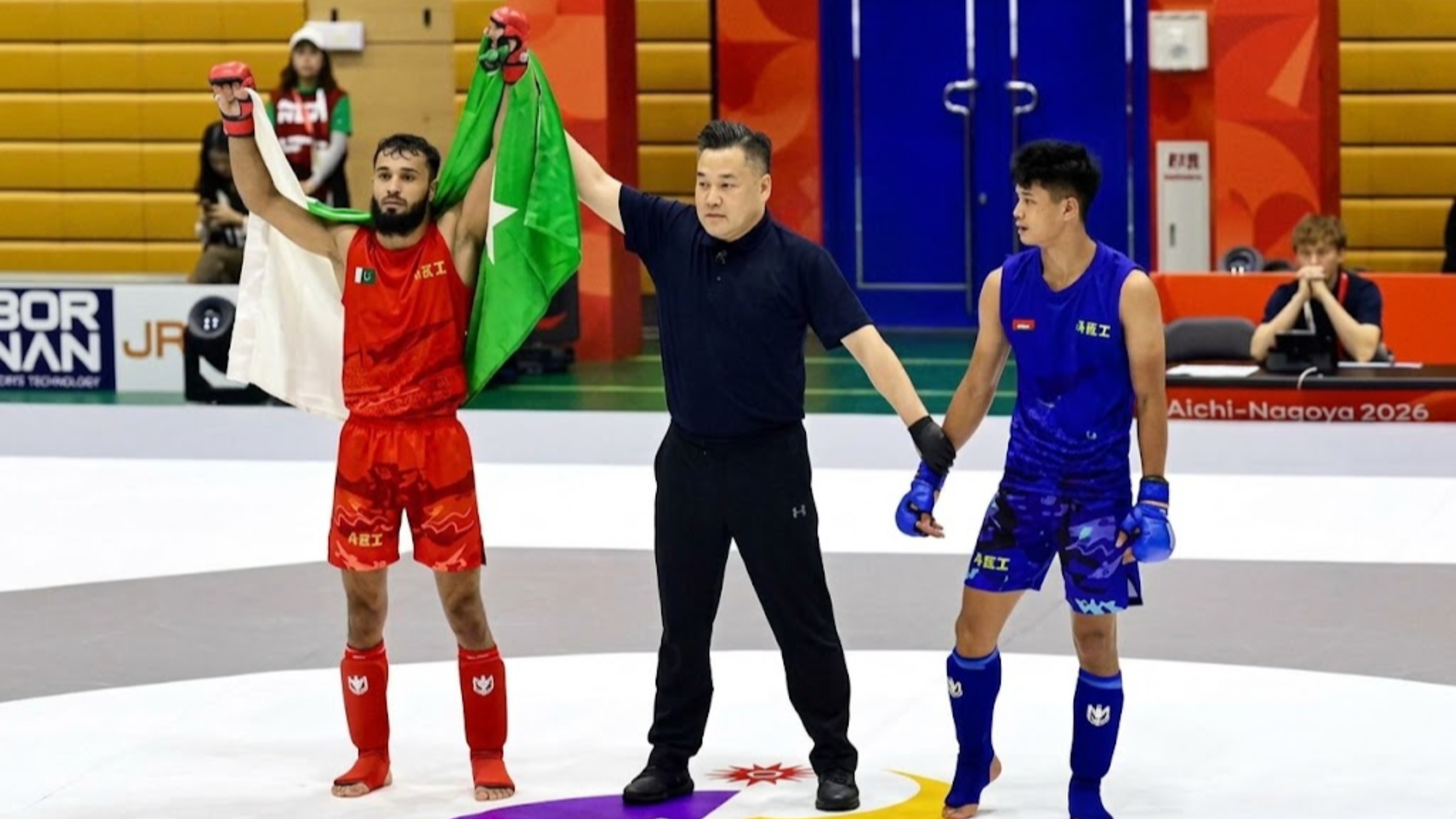
The Asian Games introduced MMA with a modified ruleset, including shin guards and restrictions on elbows and ground knees. To anyone who watches the UFC, that description sounds like a different sport wearing MMA's name. It isn't a mistake. It's a deliberate blueprint for how MMA might actually get into the Olympics.
The UFC ruleset was never built for a multi-sport Games
Elbows and ground knees are two of the most damaging tools in MMA, and they're also two of the hardest things to justify to an Olympic governing body worried about athlete safety optics across an entire Games. The UFC's rules evolved for a promotion built around spectacle and total damage output. The Olympic movement evaluates sports on very different criteria, and safety perception is near the top of that list.
Shin guards aren't a UFC feature at all. Their presence here is a direct signal that this version of MMA is being built for a different audience and a different governing standard than the sport most fans already know.
That distinction matters because the Asian Games are not simply another fight promotion. Every sport has to fit into a wider event involving dozens of disciplines, athletes and governing bodies, so the rules have to work within a much broader safety framework. MMA therefore has to prove that it can deliver genuine competition while remaining compatible with the standards expected of a continental multi-sport event.
Softening the sport isn't the same as diluting it
There's a real risk that changes like this read as MMA becoming a watered-down version of itself. That's the wrong read. Wrestling, boxing and taekwondo all have Olympic rulesets that differ meaningfully from their professional or amateur circuit counterparts, and none of those sports lost their core identity in the process.
MMA adapting its rules for a multi-sport Games isn't abandoning what makes it MMA. It's following the same path every combat sport has taken to get institutional recognition, which almost always means trading some of the rawest tools for a format regulators are willing to sanction.
What Aichi-Nagoya is actually auditioning for
This debut isn't really about who won gold. It's a test run for whether a safety-adjusted version of MMA can function inside a major multi-sport event without losing the athletes, broadcasters or fans who make the sport worth including in the first place.
That makes the Asian Games useful beyond the medal table. A successful tournament gives MMA's international governing bodies evidence that the sport can be packaged, regulated and presented differently without removing its competitive identity. A difficult debut, meanwhile, would expose exactly where the format still needs work before organizers can make a broader Olympic case.
If this ruleset holds up here, it becomes the version MMA's international federation can actually pitch to the IOC with a straight face.
Would longtime MMA fans still watch a version of the sport with shin guards and no elbows, or does that ruleset only ever exist for events like this one?

Sarajevo Back at the Heart of Regional MMA: SFC Returns with Explosive Matchups

How Buzzer Karma Works: Levels, Penalties, and What They Mean

Inside Buzzer's Latest Update (and Why It Changes How You Use the App)

Buzzer Introduces Ads Console: A New Era of Advertising Across the Entire Buzzer Ecosystem

Buzzer Is Evolving: From Quantity to Quality

Buzzer Now Has a Games Hub, and Tournaments Are Coming

Polo Al Taco Expands Its Global Reach Through Weekly Livestreams on Buzzer Arena TV

Al Ittihad SC's Matches Are Now Live on Buzzer

Palm City vs Gulf United Ends in 1–1 Draw in UAE Second Division League Clash

"We Don't Take the Guy With the Camera." He Built His Own Club Anyway. Now He's Coming to Find You.


