





 0
India's Asian Games Marathon Medal Took 44 Years. The Reason Says a Lot About What Changed
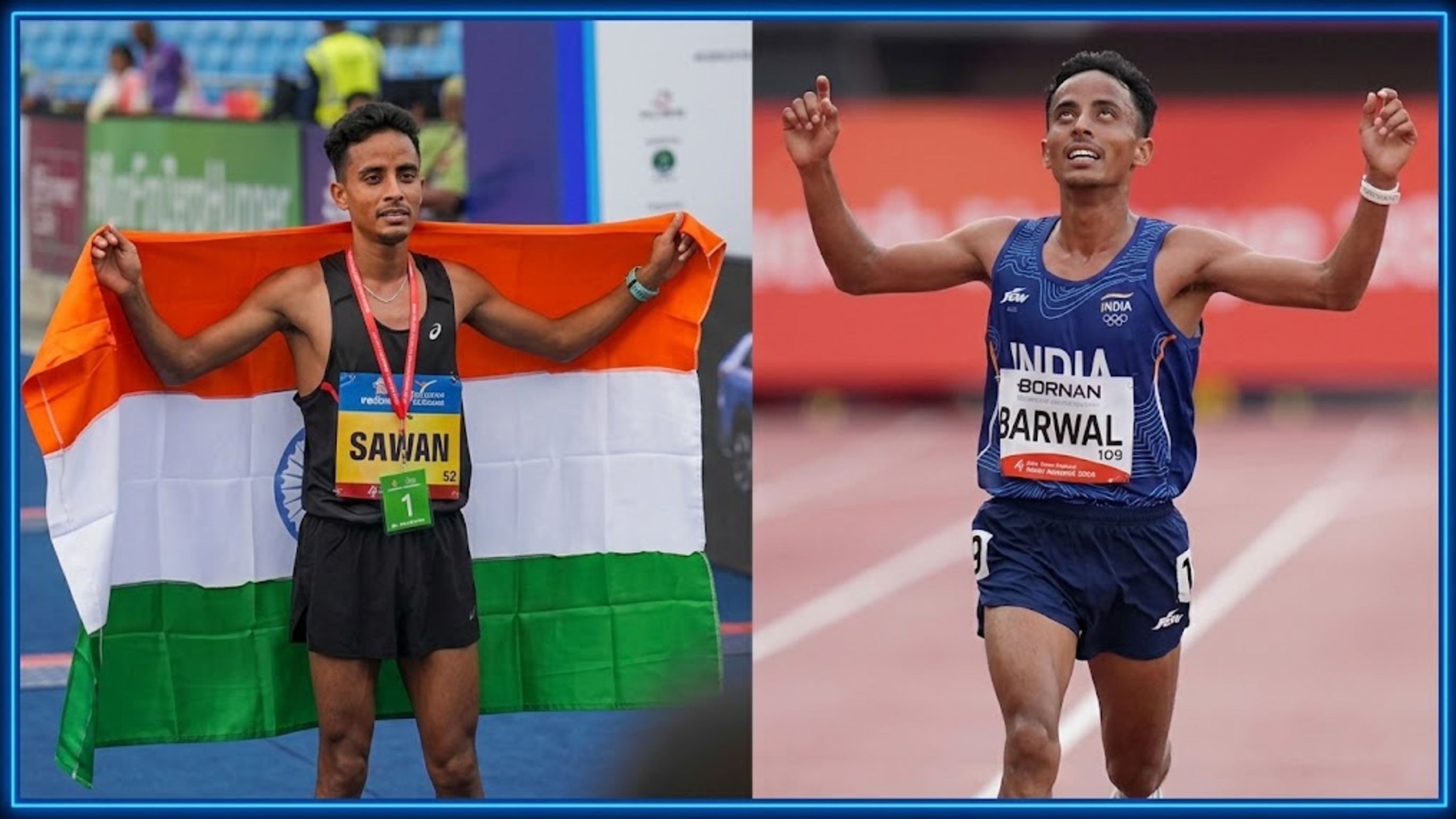
Sawan Barwal's silver in the Asian Games marathon reportedly ended a 44-year wait for India in the event. To understand why that wait lasted so long, and why it ended now, you have to go back to a race in Rotterdam earlier this year that had nothing to do with the Asian Games at all.
In April, Barwal ran his first-ever marathon at the NN Marathon Rotterdam and finished 20th overall in 2:11:58, breaking a national record that had stood since 1978. The previous mark, 2:12:00, belonged to Shivnath Singh, and it had survived for 48 years, making it the oldest standing record in Indian athletics before Barwal beat it by two seconds on his debut at the distance.
A record that outlasted almost everything else in Indian sport
Think about what a 48-year-old national record actually means. Indian distance running has produced Olympic and Asian Games medalists in other events across that span. Nobody ran a faster marathon than Shivnath Singh's 1978 mark, through changing shoe technology, changing training science and generations of runners who tried and came up short. Barwal's coach, Ajith Markose, described the finish as nearly a collapse, with the runner stumbling twice in the final metres before a volunteer helped steady him across the line.
That record breaking wasn't an accident. Barwal is part of Reliance Foundation's Project 2:09, a high-performance program built specifically around getting Indian marathoners under the 2:10 barrier through structured international racing and science-led training. Alongside training partners Gopi Thonakal and Man Singh, Barwal has spent the past several years building toward exactly this kind of result, treating Rotterdam as a benchmark race on the way to bigger targets, the Asian Games among them.
Why marathon medals are historically so hard for Asian runners outside East Africa's usual rivals
The Asian Games marathon has rarely produced Indian medalists, and that's not really about talent. It's about the infrastructure gap between countries that treat marathon running as a fully professionalized pathway, with altitude camps, sports science staff and a calendar of internationally competitive tune-up races, and countries where distance runners have historically had to build that structure for themselves. India has had talented marathoners before Barwal. What it hasn't had, until recently, is a coordinated program treating the marathon as a target rather than an afterthought to track careers.
What a silver medal actually represents
A 44-year gap between Asian Games marathon medals isn't a talent story. It's a systems story, and Barwal's Rotterdam breakthrough is the clearest evidence of what changed. "No one believed we could go under 2 hours and 12 minutes, but I did," Barwal said in the buildup to the Games, crediting a more scientific approach and a shift in what Indian marathoners believed was possible for them.
If it took a single structured program to end a 48-year-old national record and a 44-year Asian Games drought within the same calendar year, how many other events might be sitting on a similar gap between talent and infrastructure, just waiting for someone to close it?

Sarajevo Back at the Heart of Regional MMA: SFC Returns with Explosive Matchups

How Buzzer Karma Works: Levels, Penalties, and What They Mean

Inside Buzzer's Latest Update (and Why It Changes How You Use the App)

Buzzer Introduces Ads Console: A New Era of Advertising Across the Entire Buzzer Ecosystem

Buzzer Is Evolving: From Quantity to Quality

Buzzer Now Has a Games Hub, and Tournaments Are Coming

Al Ittihad SC's Matches Are Now Live on Buzzer

Palm City vs Gulf United Ends in 1–1 Draw in UAE Second Division League Clash

"We Don't Take the Guy With the Camera." He Built His Own Club Anyway. Now He's Coming to Find You.

Building the Infrastructure Sports Tech Forgot


