





 0
MotoGP's 2027 Rules Are Already Reshaping the Grid. Why Riders Are Making Decisions So Early
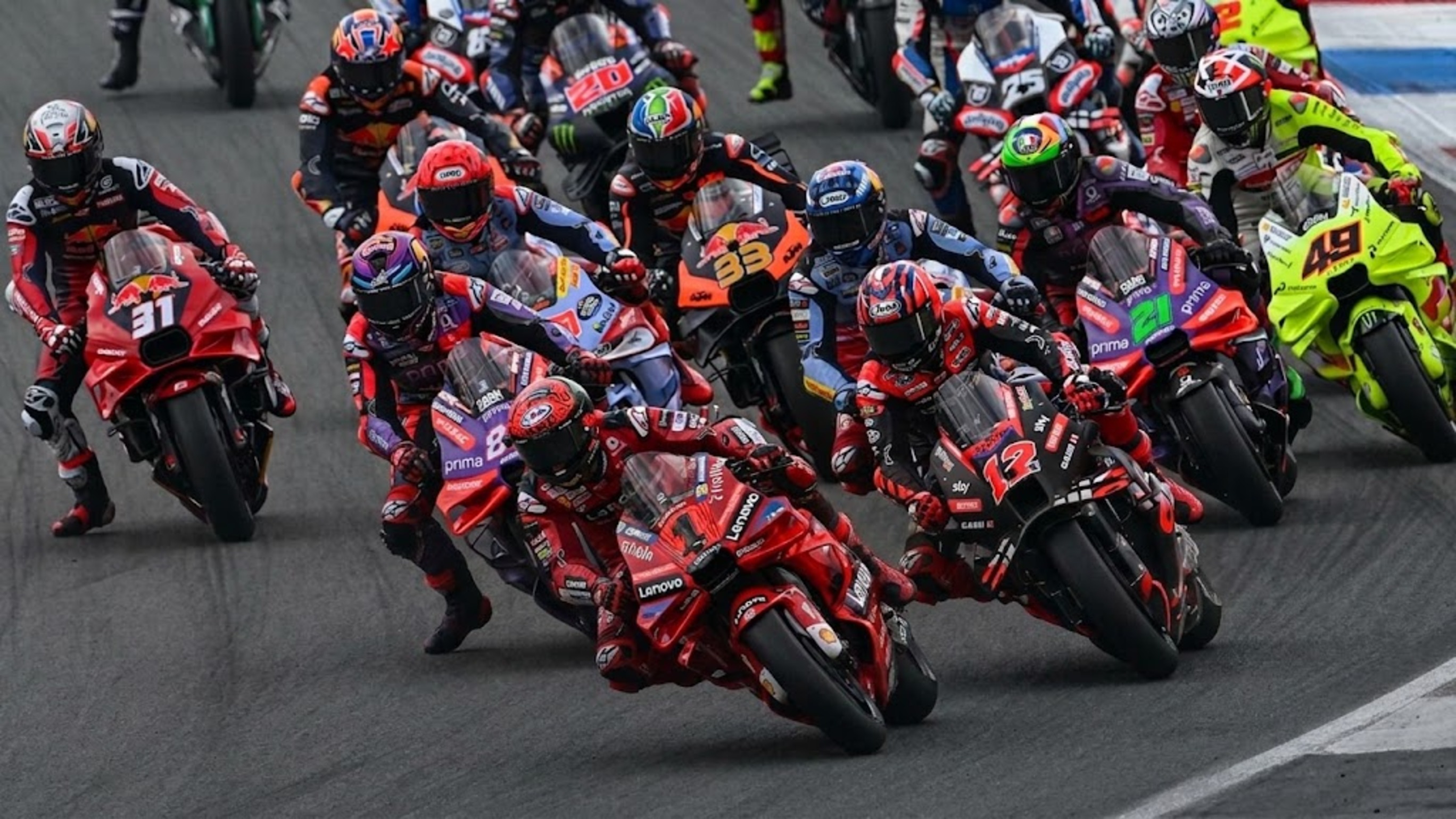
Teams are picking riders for 2027 before anyone has even ridden the 2027 bike. That sounds backwards. In MotoGP right now, it's exactly how the market works.
The sport's biggest technical shift in years, new 850cc machines replacing the current 1000cc formula, lands next season, and the driver market has responded by moving earlier and faster than usual, not slower and more cautiously the way you might expect around this much uncertainty.
Freezing the old bike to build the new one
Before any of the new machines even exist in competitive form, MotoGP's Grand Prix Commission froze engine specifications for the current 2026 season, a deliberate move to stop teams pouring resources into a bike that's about to be retired anyway. That freed up development budgets and engineering attention for the 850cc project, but it also meant teams had to start making 2027 decisions with genuinely limited data about how the new bikes will actually behave.
That's the real driver behind the early rider moves. Multiple Moto2 and Moto3 riders have already committed to 2027 seats well ahead of schedule, effectively betting their careers on a machine nobody's raced competitively yet. Teams, for their part, are locking in talent now rather than waiting to see how the new regulations shake out on track, precisely because waiting means risking losing that talent to a rival team willing to move first.
Why uncertainty speeds things up instead of slowing them down
Normally, more uncertainty about a car's performance would make teams more cautious, not less. But MotoGP's contract cycles don't really allow for that kind of patience. Riders coming up through Moto2 and Moto3 have a narrow developmental window, and teams building toward the new regulation era want riders who'll grow alongside the new machine's specific characteristics, not swap in at the last minute once the bike's quirks are already public knowledge.
That's created an odd inversion. The teams with the least certainty about how their 2027 car will actually perform are the ones moving fastest to lock down who'll be riding it.
A market reorganizing around a machine it hasn't met yet
There's something genuinely strange about a professional sport where career decisions this significant are being made almost entirely on projection rather than results. Teams are essentially betting on engineering philosophy, on which manufacturer's read of the new regulations will translate best onto the track, and locking riders into that bet a full season before anyone gets real confirmation either way.
If it works, the teams that moved early will look prescient. If it doesn't, a lot of riders will find themselves contracted to machines that never quite delivered what the spec sheet promised, and precious little recourse to do anything about it until the next contract cycle rolls around.
When a sport's entire technical foundation is about to change, does it make more sense for teams to lock in talent early and bet on their engineering read, or to wait for real evidence before committing riders to a machine nobody has actually raced yet?

Sarajevo Back at the Heart of Regional MMA: SFC Returns with Explosive Matchups

How Buzzer Karma Works: Levels, Penalties, and What They Mean

Inside Buzzer's Latest Update (and Why It Changes How You Use the App)

Buzzer Introduces Ads Console: A New Era of Advertising Across the Entire Buzzer Ecosystem

Buzzer Is Evolving: From Quantity to Quality

Buzzer Now Has a Games Hub, and Tournaments Are Coming

Al Ittihad SC's Matches Are Now Live on Buzzer

Palm City vs Gulf United Ends in 1–1 Draw in UAE Second Division League Clash

"We Don't Take the Guy With the Camera." He Built His Own Club Anyway. Now He's Coming to Find You.

Building the Infrastructure Sports Tech Forgot


