

 0
0
Baseball Banned a Pitch Because Nobody Could See It Coming
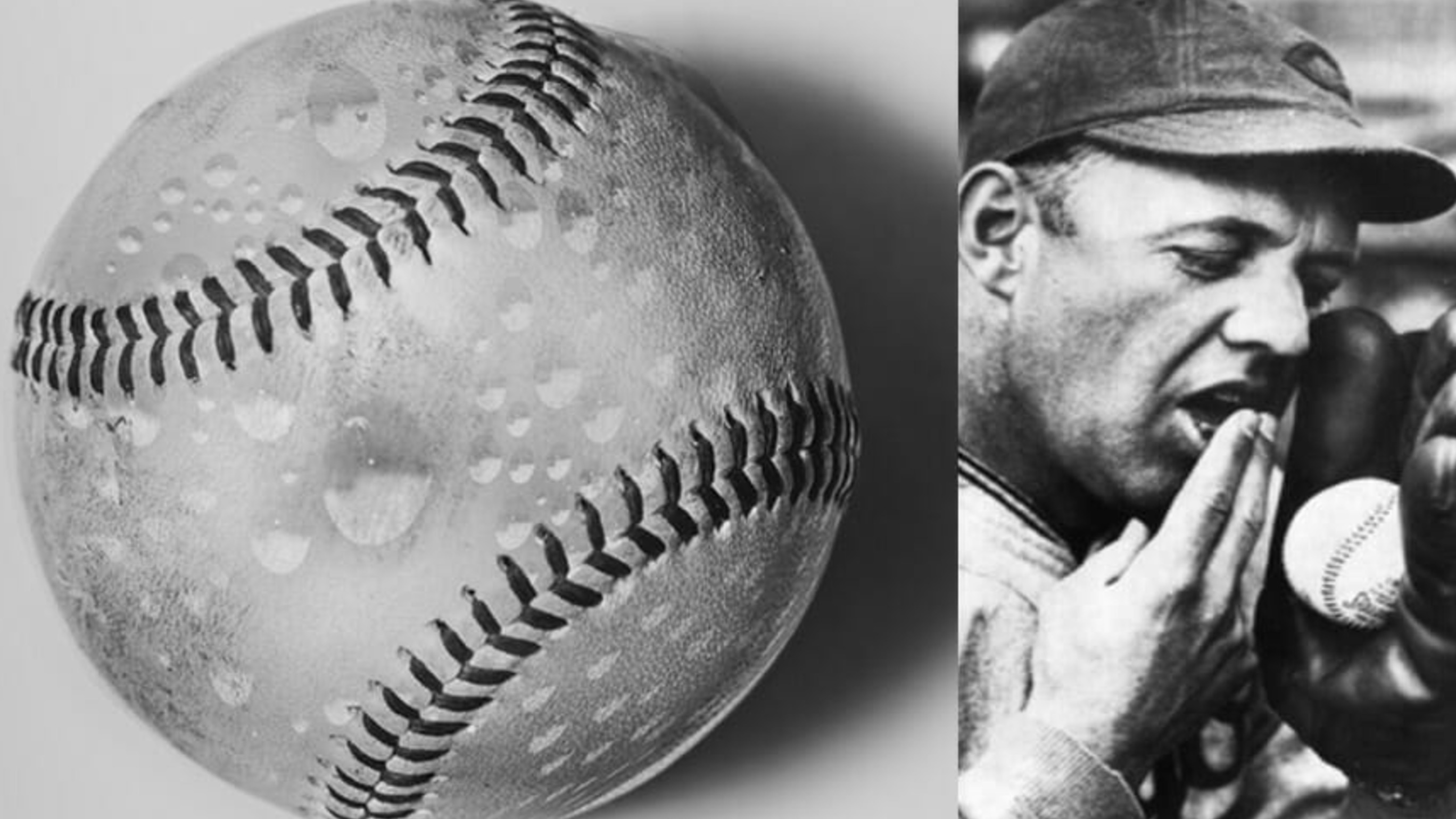
For decades, baseball pitchers legally doctored the ball mid-game, applying saliva, tobacco juice, or other substances to one side of the baseball to change how it moved through the air.
The pitch, known as the spitball, made the ball dip and dart in ways batters found nearly impossible to predict. In 1920, baseball banned it outright, following a tragedy that made the danger impossible to ignore.
A legal trick that reshaped the ball’s flight
Applying a foreign substance to part of the baseball changes its aerodynamics significantly, making it move unpredictably compared to a clean, dry pitch.
Pitchers who mastered the spitball gained a genuine, often decisive advantage, since batters had no reliable way to anticipate exactly how the ball would behave once it left the pitcher’s hand.
For years, this was simply accepted as a normal part of pitching strategy, alongside other now-banned tricks like scuffing the ball’s surface. Multiple pitchers built entire careers largely around mastering the spitball’s unpredictable movement.
The tragedy that forced a change
In August 1920, Cleveland Indians shortstop Ray Chapman was struck in the head by a pitch thrown by New York Yankees pitcher Carl Mays. Chapman died the following day, the only player in Major League Baseball history to die from an injury sustained during a game. Poor lighting at the ballpark and a discolored, dirty baseball, made harder to see partly through the kind of doctoring common at the time, were both cited as contributing factors in the tragedy.
The death forced baseball to seriously reconsider practices that had previously been treated as harmless pitching tricks. Beyond banning the spitball specifically, the league began requiring cleaner, more visible baseballs to be used throughout games, replacing worn or discolored balls far more frequently than before.
A rule with an unusual exception
When the spitball was officially banned in 1920, baseball made a rare compromise for pitchers who’d built their entire careers around the pitch. A group of veteran spitball pitchers were formally grandfathered in, allowed to keep legally throwing the pitch for the remainder of their careers, while every pitcher after them faced an outright ban.
The very last legally sanctioned spitball pitcher retired in the 1930s, finally closing that chapter completely.
A safety rule born from tragedy
Baseball’s spitball ban stands as one of the clearest examples in sports history of a genuine tragedy directly forcing a safety-driven rule change, rather than the rule emerging from pure strategic or competitive concerns. It’s a reminder that some of the most important rule changes in any sport’s history come not from careful planning, but from a single devastating moment that made ignoring the danger no longer possible.
Should sports generally wait for a serious tragedy before banning genuinely dangerous practices, or should governing bodies act sooner based on the risk alone, even before something terrible actually happens?