

 0
0
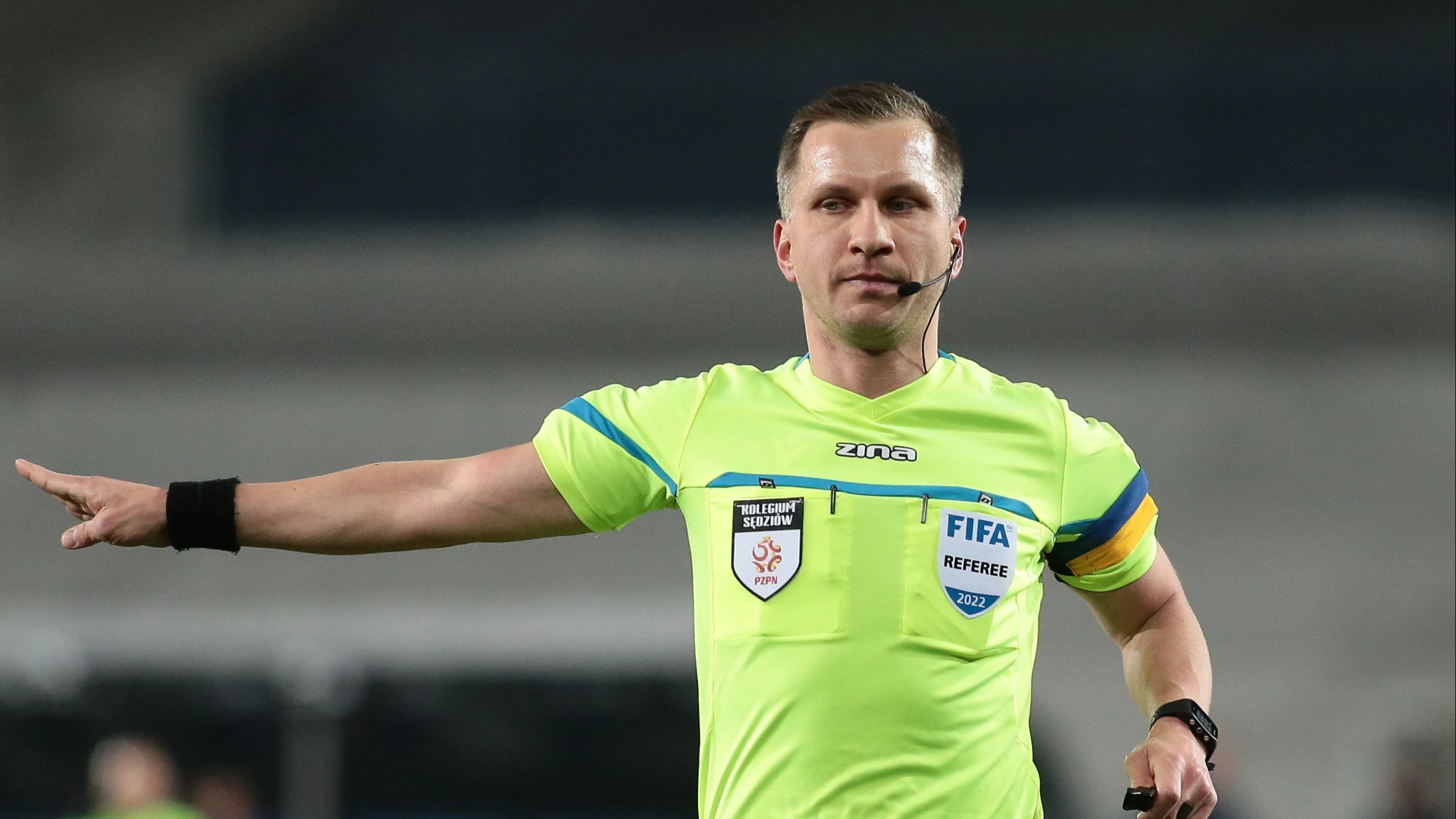
Home Advantage Isn’t About the Crowd Lifting Players, It’s About the Referee
Ask fans why home teams win more often, and the answer is almost always some version of the same story: supportive crowds lift performance, and hostile road environments rattle visiting players. That story feels intuitive. Decades of sports science research suggest it’s largely wrong, or at least badly incomplete.
The more consistent finding across dozens of studies points somewhere less comfortable: referees.
The experiments that isolated the effect
Researchers have run controlled experiments specifically designed to separate crowd noise from actual player performance. In one influential study, qualified soccer referees watched video footage of the same match incidents, some with crowd noise present, some without. When the crowd noise was audible, referees issued fewer penalties against home teams than when they judged identical footage in silence. Same incidents, same players, different verdicts, purely based on whether crowd noise was part of the input.
A separate large-scale study of over 5,000 English Premier League matches involving 50 different referees found that home bias varies measurably between individual officials, and that biased decisions meaningfully contribute to overall home advantage rather than being incidental noise in the data.
The natural experiment nobody wanted
The clearest evidence arrived by accident. When COVID-19 forced stadiums empty across European football, researchers suddenly had a real-world experiment they could never have ethically designed themselves: identical competitive football, played by the same teams and referees, minus the crowd entirely.
The results were striking. Studies out of Italian Serie A found significantly reduced referee bias in matches played without spectators. Research in Sweden found that once crowd noise was removed, referees actually adjusted their decisions to be harsher on home players and more lenient toward away players compared to matches with fans present, essentially flipping the usual bias when the social pressure disappeared.
One factor stands above the rest
None of this means crowd noise and travel fatigue play zero role in home advantage. Some research on team performance and disciplinary patterns suggests coaches genuinely set more ambitious tactical goals at home, possibly influenced by heightened crowd expectations. But when researchers try to isolate which single factor contributes most consistently to the measurable home advantage across sports, officiating bias keeps coming out ahead of crowd-driven player performance.
Newer research has even found that VAR technology, by adding a layer of review that reduces snap judgment calls, measurably reduces home advantage across professional leagues, primarily by increasing how many goals away teams are credited for rather than suppressing home team scoring. That finding lines up neatly with the referee-bias explanation: give officials more time and more objective tools to make a call, and the home advantage shrinks.
Why this is worth taking seriously
Leagues spend enormous resources on stadium atmosphere, believing a loud home crowd genuinely helps their team win. That’s not entirely wrong, crowds probably do provide some real benefit. But if referee psychology under social pressure is the dominant driver of home advantage rather than crowd energy affecting the players themselves, that has real implications for how leagues think about officiating training, video review, and even where and how referees are positioned relative to the loudest sections of a stadium.
It’s a less romantic explanation than “the crowd carried us.” It also happens to be the one the evidence keeps pointing toward, uncomfortable as that might be for anyone who’s ever believed their team’s fans were the actual twelfth man.
If referee bias really is the biggest driver of home advantage, should leagues be doing more to specifically train officials around this, or does that risk overcorrecting into bias against home teams instead?


 1
1