




 0
0
Fake Grass Changed How Almost Every Sport Is Played
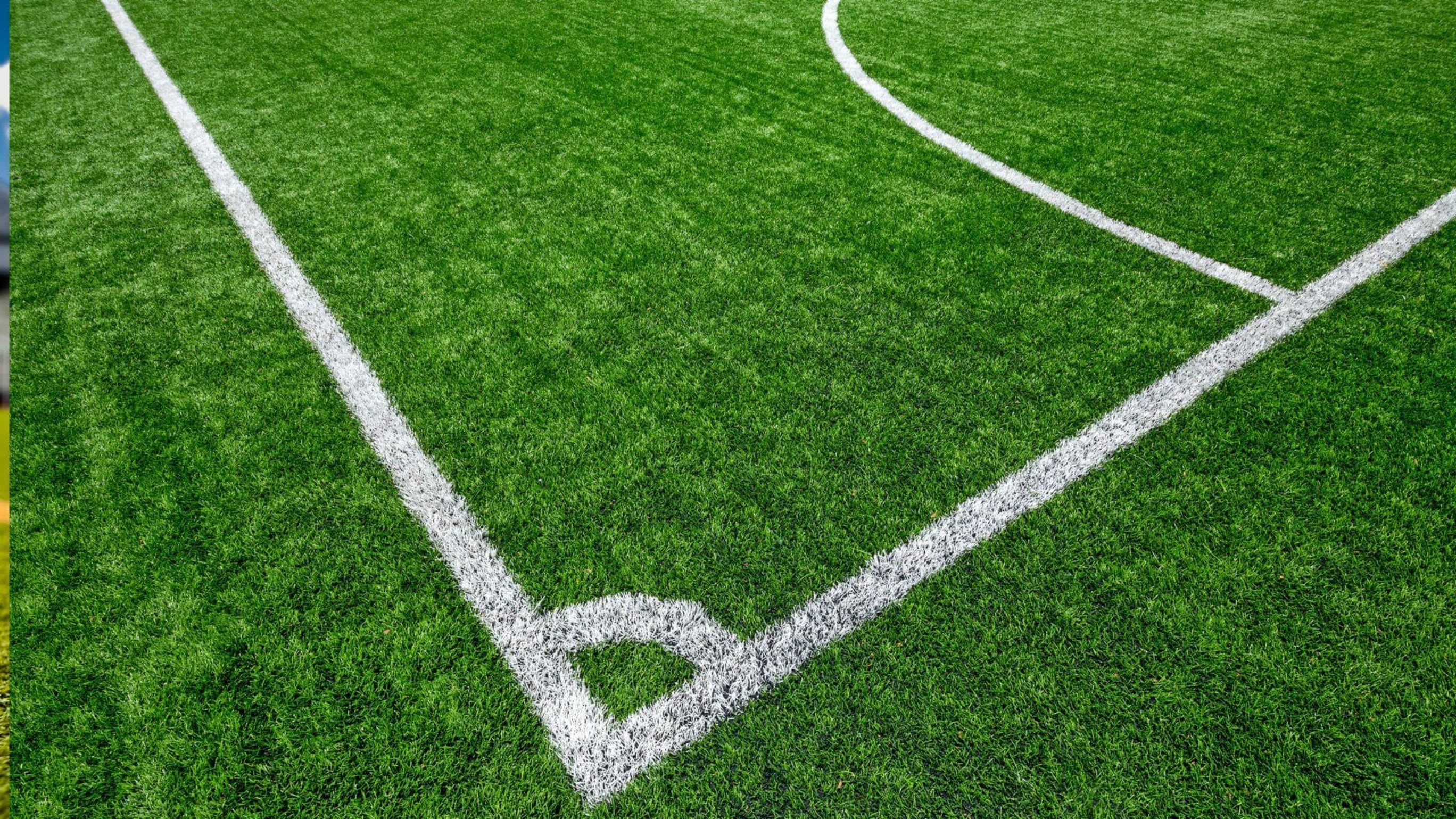
Artificial turf, commonly known by the brand name AstroTurf, was originally developed in the 1960s to solve a fairly narrow, practical problem: real grass struggled to grow properly inside the newly built, partially enclosed Houston Astrodome.
What started as a fix for one specific stadium’s lighting problem eventually reshaped how dozens of sports are played at every level, from professional stadiums to school playing fields.
A fix for one stadium that spread everywhere
The Astrodome, opened in 1965 as the world’s first fully enclosed, air-conditioned sports stadium, initially tried using real grass under a clear roof designed to let sunlight through. The glare from that roof created serious problems for outfielders trying to track fly balls, so the roof panels were painted over to reduce glare. That fixed the glare problem but killed the grass underneath, which could no longer get enough sunlight to survive.
The solution was a newly developed synthetic surface that didn’t need sunlight at all. Installed throughout the stadium in 1966, it quickly became known as AstroTurf, named directly after the building that first popularized it.
Other indoor and outdoor stadiums soon adopted similar synthetic surfaces for their own practical reasons, from easier maintenance to better durability in stadiums that hosted many different events.
A surface that changed how games are actually played
Artificial turf didn’t just solve a maintenance problem. It genuinely changed how sports played on it behaved. Early artificial surfaces were notably harder and less forgiving than real grass, leading to faster ball speeds, different bounce patterns, and, controversially, higher rates of certain injuries among players, particularly in high-impact sports like American football.
That injury concern sparked real, ongoing debate that’s continued for decades. Players and researchers have repeatedly raised questions about whether certain injuries occur more frequently on artificial surfaces compared to natural grass, pushing manufacturers to continually redesign and improve turf technology, adding more cushioning and more realistic playing characteristics with each new generation of synthetic surface.
From compromise to genuine preference
Modern artificial turf has improved dramatically since those early AstroTurf days, and many facilities now choose it deliberately rather than simply as a fallback when grass won’t grow. It requires less water, less ongoing maintenance, and holds up better under heavy, constant use, genuine advantages for facilities hosting frequent games, practices, and multiple different sports on the same surface.
What began as an improvised fix for one enclosed stadium’s lighting problem in the 1960s eventually became a genuine, deliberate choice for stadiums and fields worldwide, changing not just where sports are played, but in real, measurable ways, how those sports are actually played on the surface underneath the athletes’ feet.
Given how much artificial turf has improved since the 1960s, do you think it will eventually fully replace natural grass at the highest levels of sport, or will real grass always remain the preferred surface for elite competition?


