





 1

What Sponsors Really Pay For When They Put a Logo on a Shirt
Not long ago, a sponsor’s logo on a shirt was treated as a hopeful guess. A brand paid for a place on the front of a jersey, and nobody could tell whether anyone bought anything because of it.
That is changing, and women’s sport is the clearest place to see it. Brands are now measuring who watches, who pays attention, and who acts afterwards. The result is a business that looks increasingly like a case for buying attention that leads somewhere.
What brands actually measure
Sponsors tend to ask four kinds of questions. Who is in the audience? How engaged are they? How far does the property reach globally? And does any of it translate into sales or loyalty?
Demographics matter because a brand wants to reach a particular customer. A sponsor of a women’s league may be targeting a younger or more female audience than a men’s property can offer. Nielsen found that among an estimated 16 million new US sports fans, nine million are women.
Engagement is the second test. A fan who watches a match and does nothing is worth less than one who follows the team, buys merchandise and pays attention to the shirt. Nielsen’s data suggests women’s sport scores well on that measure.
That brings in the conversion numbers. According to the same Nielsen data, more than 30 percent of NWSL fans said they had bought a brand after seeing an in-game sponsorship. Sixty percent of women’s sport fans said they had switched brands over a company’s values or actions, compared with 45 percent of sports fans in general.
Why women’s sport is the clearest example
For years, many brands avoided women’s sport, partly because of lower media coverage and a perception that returns would be weaker. GlobalData’s analyst argued that this is now changing, as brands see a large and often under-targeted audience of women consumers.
Digital reach is a big factor. Social media lets a league or an athlete build an audience far faster than traditional broadcasting once did, and brands can measure the response in real time.
Individual athletes are part of the picture too. GlobalData pointed to deals such as Naomi Osaka’s with Nike and Coco Gauff’s with New Balance as examples of some of the largest athlete partnerships. A brand that attaches itself to a person gets a story to tell, and a story to measure.
Reading the figures carefully
All of this comes with caveats. Much of the data comes from surveys, and what people say they will do and what they actually do can differ. Nielsen’s figures cover the United States, so they don’t necessarily describe audiences in Africa, Indonesia, the Balkans or the Gulf.
Reported deal values are also often estimates, and sponsorship figures in sport are rarely audited in public. Any single number should be treated with caution until the parties confirm it.
Still, the direction is hard to dispute. Brands are demanding evidence, and the properties that can supply it are the ones attracting investment.
The logo is the start
A logo on a shirt remains the most visible part of a sponsorship. But the real value comes from what surrounds it: content, events, athlete partnerships, and campaigns that give fans a reason to care. A sponsor with a good story and a measurable audience can justify its spend, and one without can’t.
That might explain why the biggest growth areas are those where the audience is both large and engaged. Brands are trying to buy a relationship with fans, and the logo is the visible sign of it.
Fans have a role to play too. The more people support the teams and sports they care about, the more sponsors take notice.
If sponsors can now measure almost everything, does it make sport more honest about what it is worth, or does it risk valuing only the parts that can be counted?

Sarajevo Back at the Heart of Regional MMA: SFC Returns with Explosive Matchups

How Buzzer Karma Works: Levels, Penalties, and What They Mean
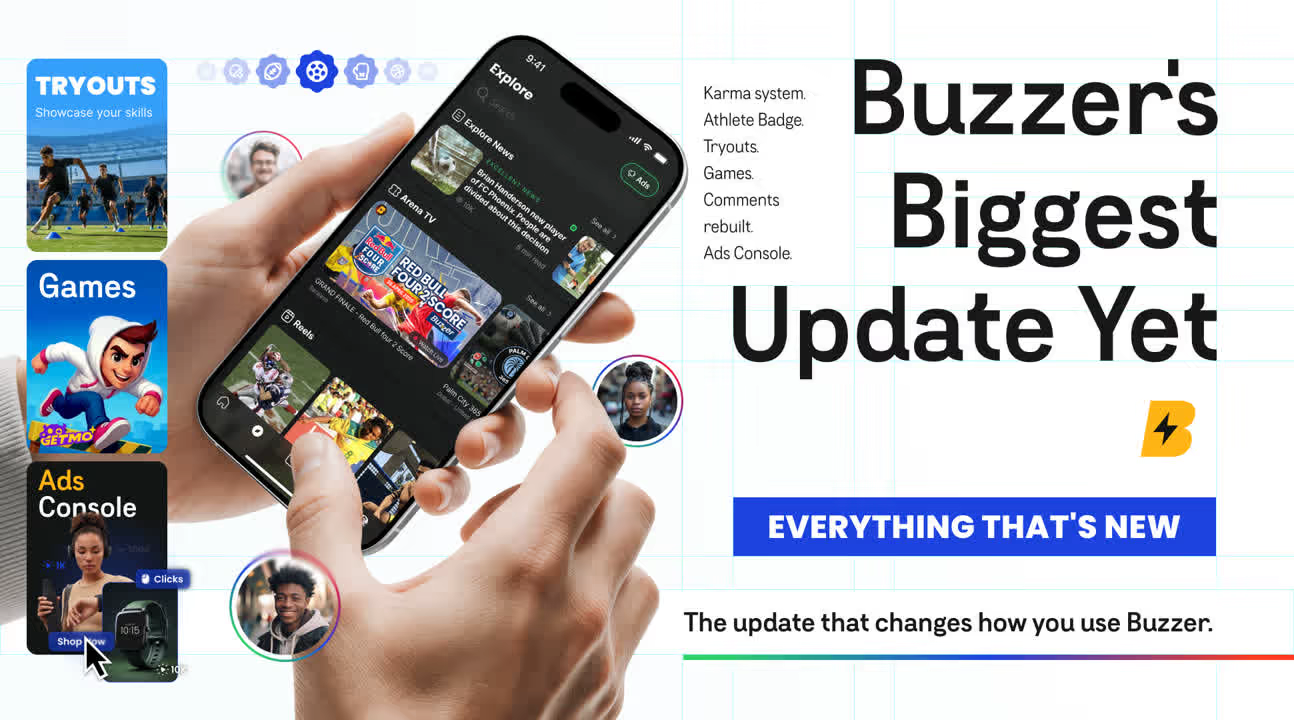
Inside Buzzer's Latest Update (and Why It Changes How You Use the App)
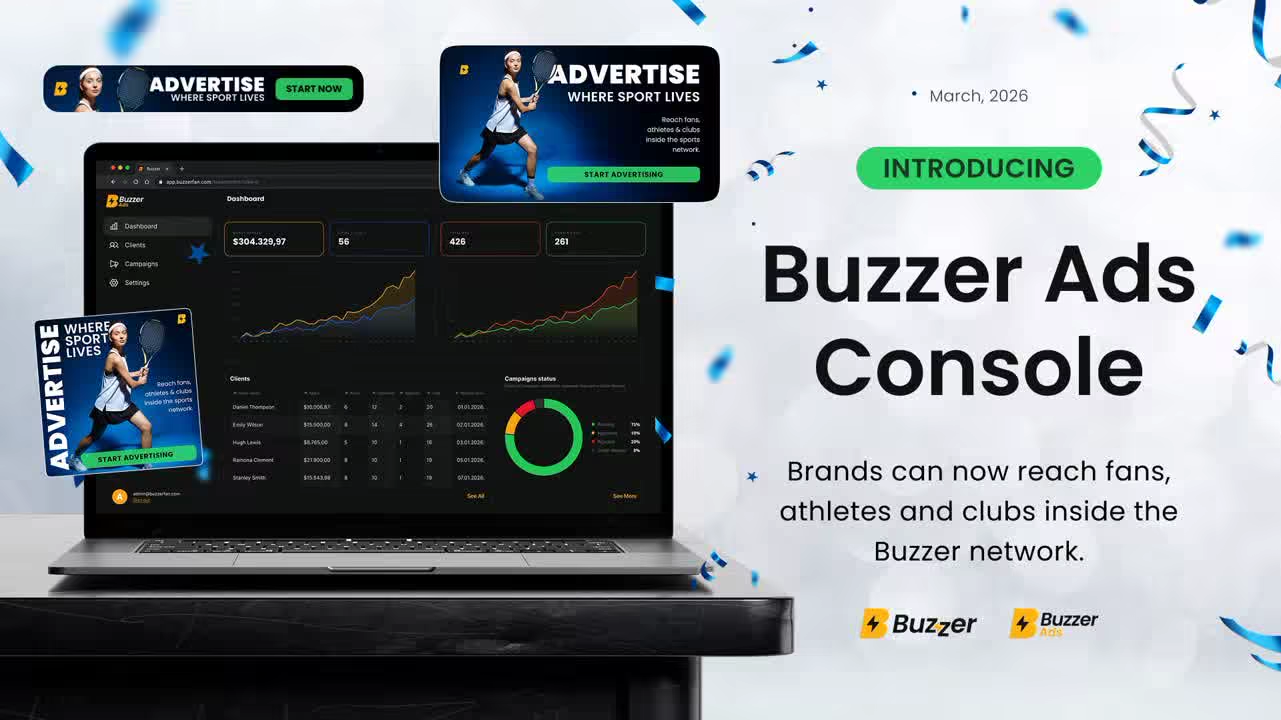
Buzzer Introduces Ads Console: A New Era of Advertising Across the Entire Buzzer Ecosystem
Buzzer Is Evolving: From Quantity to Quality
Al Ittihad SC's Matches Are Now Live on Buzzer

Polo Al Taco Expands Its Global Reach Through Weekly Livestreams on Buzzer Arena TV

Buzzer Now Has a Games Hub, and Tournaments Are Coming
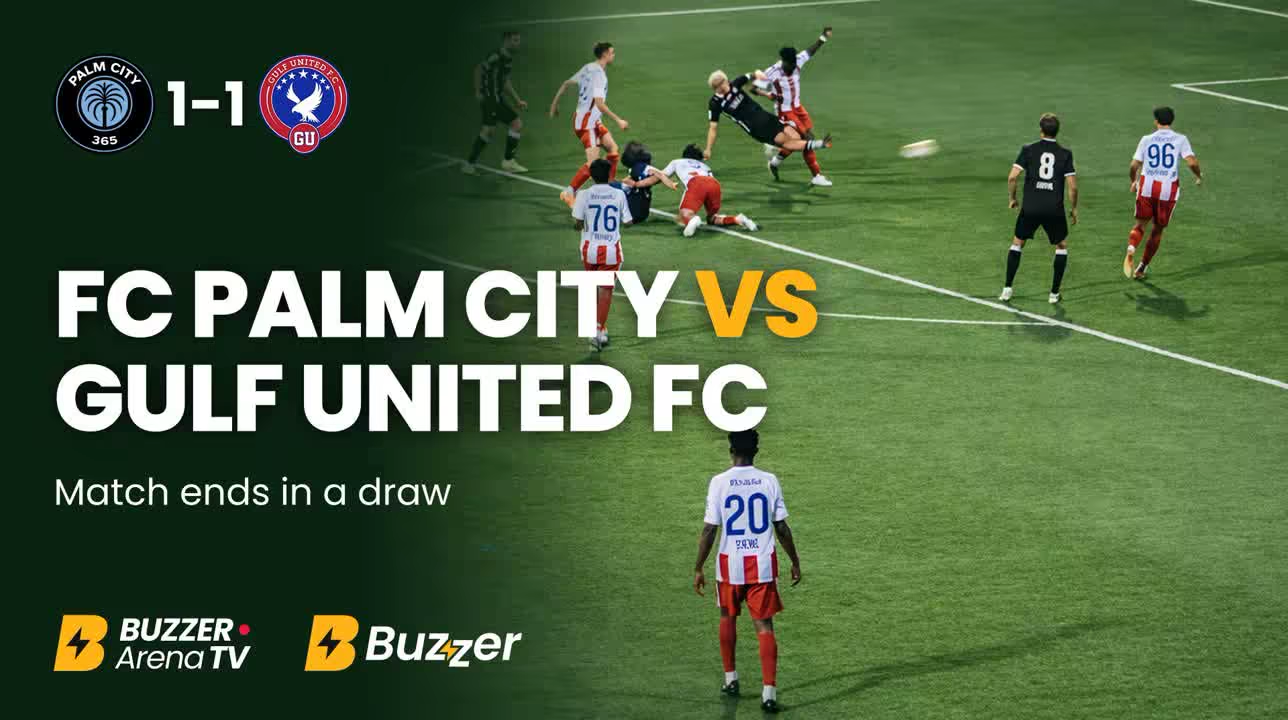
Palm City vs Gulf United Ends in 1–1 Draw in UAE Second Division League Clash
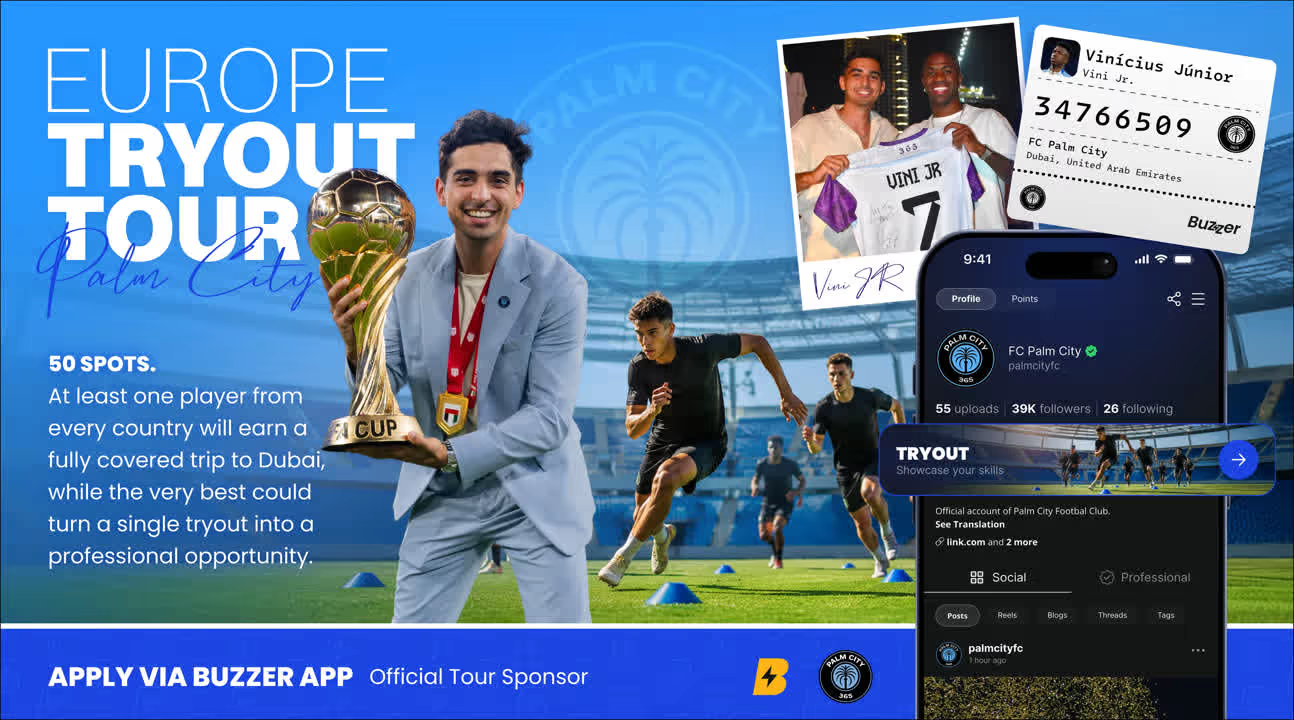
"We Don't Take the Guy With the Camera." He Built His Own Club Anyway. Now He's Coming to Find You.


 1


