





 0
F1 Spends Millions Chasing Fractions Of A Second. Why Is Sepang So Hard To Get Right?
Only 10 of the current F1 drivers have ever raced at Sepang. That's the headline fact hiding inside this weekend's return to Malaysia, and it means most of the grid is about to learn a circuit that engineers last had to solve nine years ago.
Formula 1 returns to the Sepang International Circuit from October 2 to 4, hosting the Gulf Air Bahrain Grand Prix in Malaysia. Round 16 of the season sits between Baku and Singapore. My argument is that Sepang is hard because it asks for opposite things at the same time.
A track that wants two cars at once
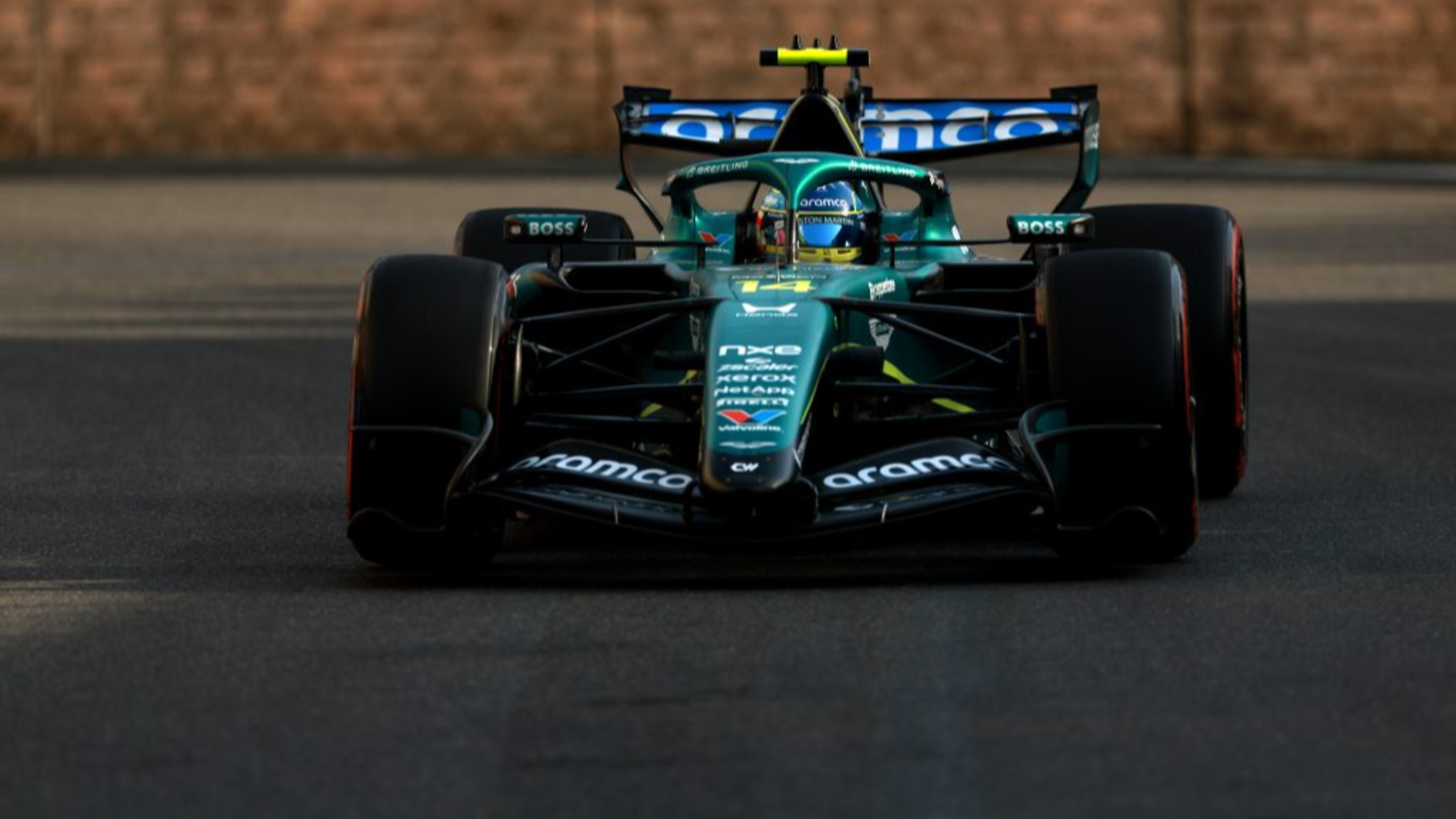
The circuit has long straights that reward low drag and a top speed advantage. It also has a series of slow and medium-speed corners where downforce matters. That's a classic trade-off, and engineers rarely get to solve it without giving something up.
Run a lot of wing and you'll lose time on the straights, where rivals can pass you. Trim the wing and you'll slide through the technical sections, where the tires pay the price. Neither setup is wrong. Both have a cost, and the stopwatch is the only judge.
The heat makes it worse. The race starts at 3:00 PM local time over 56 laps, in tropical conditions that put real stress on tires and brakes. A setup that's fast in a single qualifying lap can look very different after twenty laps in the sun.
Weather is part of the layout
Sepang's history is full of weather. The 2009 race was stopped after 31 laps by monsoon conditions, and Jenson Button was declared the winner. In 2012, Fernando Alonso charged from eighth to win a dramatic race that turned on the weather.
Anyone who has watched a tropical storm arrive at a track understands the problem. Rain doesn't just wet the circuit. It changes grip levels, visibility and strategy at the same time, and it can arrive with almost no warning.
That's one reason the paddock tends to love Sepang. When conditions can change in minutes, the cars with the best data don't always win, and the drivers who read the track best often do.
Why the unknowns matter now
The most modern problem is the gap. The final Malaysian Grand Prix, in 2017, was won by Max Verstappen, and it was also Pierre Gasly's F1 debut. Cars have changed enormously since then, which means teams can't simply dust off old setup notes and use them.
Engineers will lean on simulations, and simulations are only as good as their inputs. When a circuit hasn't hosted an F1 race in nine years, there's no recent data on how today's tires behave on its surface, and the usual shortcuts go missing.
For a team, that's both an opportunity and a risk. The ones who read the early practice sessions quickly can get ahead of rivals. The ones who guess wrong may spend the weekend chasing a balance they never find.
Sepang's race lap record still belongs to Sebastian Vettel, who set a 1:34.080 in his Ferrari in 2017. Whether the new cars beat it will depend on conditions, but it's a good number to keep an eye on during the weekend.
I'd argue this is the best reason to want circuits like Sepang on the calendar. A track that forces compromises scrambles the usual pecking order, and a scrambled pecking order is exactly what fans want. So here's the debate: would you rather F1 visit circuits that reward the fastest car, or circuits that reward the team that handles the compromises best?
Editor's note: the race runs Sunday, October 4; update after the result if publishing later.

Sarajevo Back at the Heart of Regional MMA: SFC Returns with Explosive Matchups

How Buzzer Karma Works: Levels, Penalties, and What They Mean

Inside Buzzer's Latest Update (and Why It Changes How You Use the App)

Buzzer Introduces Ads Console: A New Era of Advertising Across the Entire Buzzer Ecosystem

Buzzer Is Evolving: From Quantity to Quality

Buzzer Now Has a Games Hub, and Tournaments Are Coming

Al Ittihad SC's Matches Are Now Live on Buzzer

Palm City vs Gulf United Ends in 1–1 Draw in UAE Second Division League Clash

"We Don't Take the Guy With the Camera." He Built His Own Club Anyway. Now He's Coming to Find You.

Building the Infrastructure Sports Tech Forgot


 1


