





 1
David Beckham's Move to MLS Rewrote the Rulebook Before He Played a Single Game
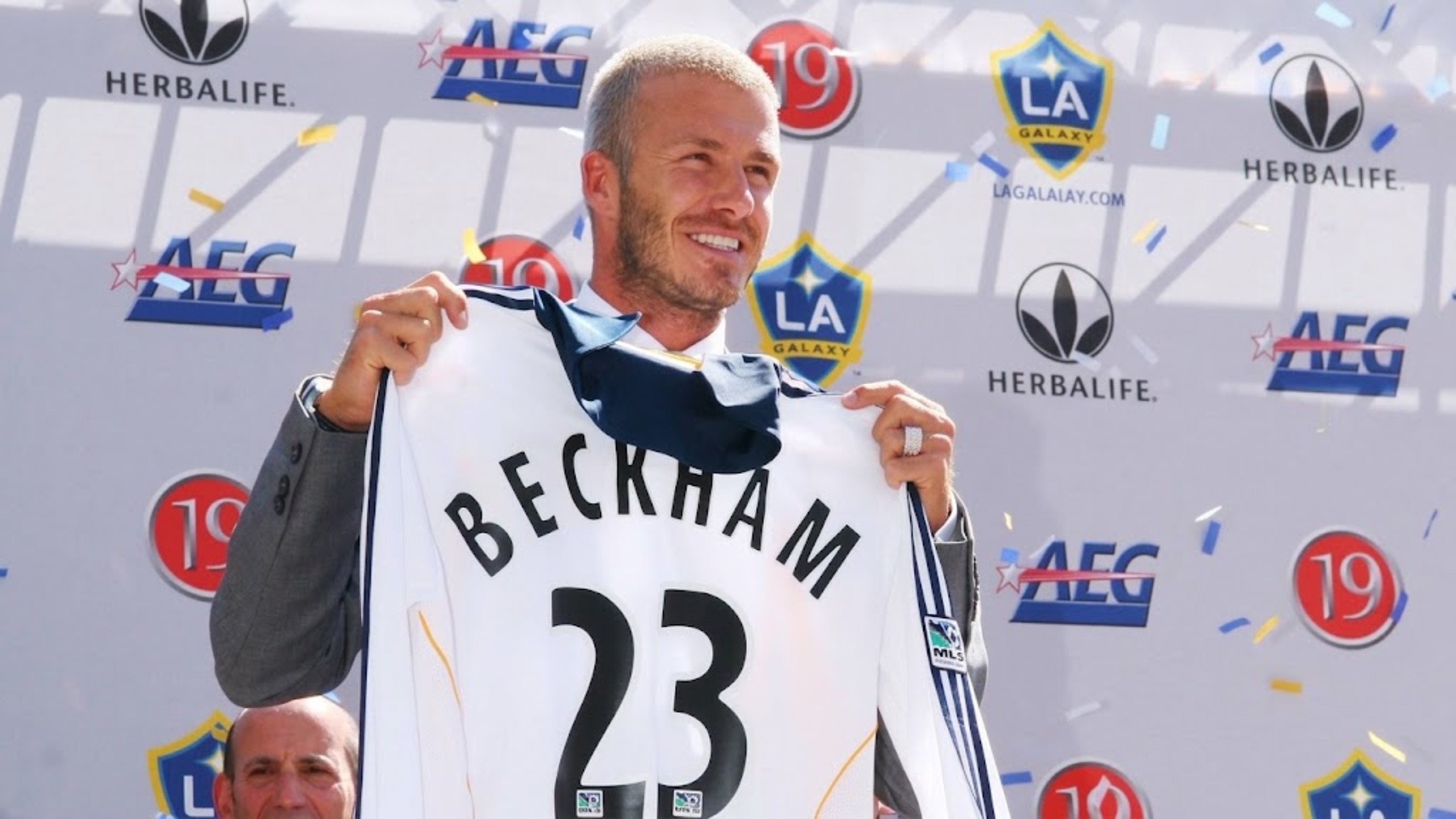
In January 2007, David Beckham signed with the LA Galaxy. MLS had to change its own salary rules just to make the deal legal, weeks before he'd even stepped onto a training pitch in California to meet his new teammates.
The league's salary cap system simply wasn't built for a contract of that size or profile. So MLS built a new rule around it instead of turning the deal down.
The rule that took his name
MLS introduced what's officially called the Designated Player Rule, though most people in and around the league still call it the Beckham Rule to this day. It allowed teams to sign a limited number of players whose salaries sit outside the normal salary cap, with the team absorbing the difference rather than the whole league splitting the cost across every franchise.
Before that rule existed, MLS simply couldn't have signed a player of Beckham's profile and salary level under its existing financial structure. The league's cap was built for domestic parity between small-market clubs, not marquee global signings with international commercial value and endorsement deals attached to them.
What it opened the door for afterward
Every major MLS signing since, from Thierry Henry to Zlatan Ibrahimović to Lionel Messi's move to Inter Miami, has happened under some version of the same mechanism Beckham's contract forced into existence back in 2007. The rule became the standard pathway for MLS clubs to bring in players well above the league's normal financial ceiling without breaking the wider system.
Without it, MLS would likely still be a league almost entirely closed off from the kind of global star signings that reshaped its television deals, sponsorship revenue, and attendance figures over the following decade and a half of growth.
Beckham changed what MLS could sell
The biggest shift wasn't simply that MLS could now afford famous players. Beckham gave the league something it had struggled to manufacture: international attention. His arrival brought global media coverage, new fans and a level of celebrity interest that went far beyond the normal American soccer audience. Suddenly, MLS wasn't just trying to convince established football supporters to watch. It could market itself as a destination for some of the biggest names in world football, even if those players were arriving after their European peaks.
A transfer that mattered more off the pitch than on it
Beckham's on-field production with the Galaxy was solid but not spectacular by his own career standards, including loan spells back in Europe during his MLS years that frustrated some fans who felt he wasn't fully committed to the league he'd been paid to elevate. The actual football wasn't really the point of the move in the first place.
The rule change outlasted his playing career by a wide margin, and it's arguably shaped MLS more permanently than anything he actually did with the ball at his feet during his five seasons in LA.
Should a single player's contract really be allowed to reshape an entire league's financial structure, or is that exactly the kind of disruption a growing league needs to take seriously to compete globally?

Sarajevo Back at the Heart of Regional MMA: SFC Returns with Explosive Matchups

How Buzzer Karma Works: Levels, Penalties, and What They Mean

Inside Buzzer's Latest Update (and Why It Changes How You Use the App)

Buzzer Introduces Ads Console: A New Era of Advertising Across the Entire Buzzer Ecosystem

Buzzer Is Evolving: From Quantity to Quality

Buzzer Now Has a Games Hub, and Tournaments Are Coming

Polo Al Taco Expands Its Global Reach Through Weekly Livestreams on Buzzer Arena TV

Al Ittihad SC's Matches Are Now Live on Buzzer

Palm City vs Gulf United Ends in 1–1 Draw in UAE Second Division League Clash

"We Don't Take the Guy With the Camera." He Built His Own Club Anyway. Now He's Coming to Find You.


 1


