





 0
Noah Lyles Is Cringing At Influencers, And He's Not Wrong
At the World Athletics Ultimate Championship media day in Budapest this month, some of the best runners on the planet drifted between interview stations with one eye on the cameras and the other on their phones. Nobody blinked. That's just what a media day looks like now.
Social media used to be a nice-to-have for athletes. A place to post a medal photo and move on. Not anymore.
For a lot of track and field athletes, content has quietly become part of the business plan. Guaranteed salaries are rare in this sport, and the sponsorship money that does exist mostly pools around a handful of superstars. So everybody else fills the gap with brand deals, side ventures, and whatever their phone camera can capture.
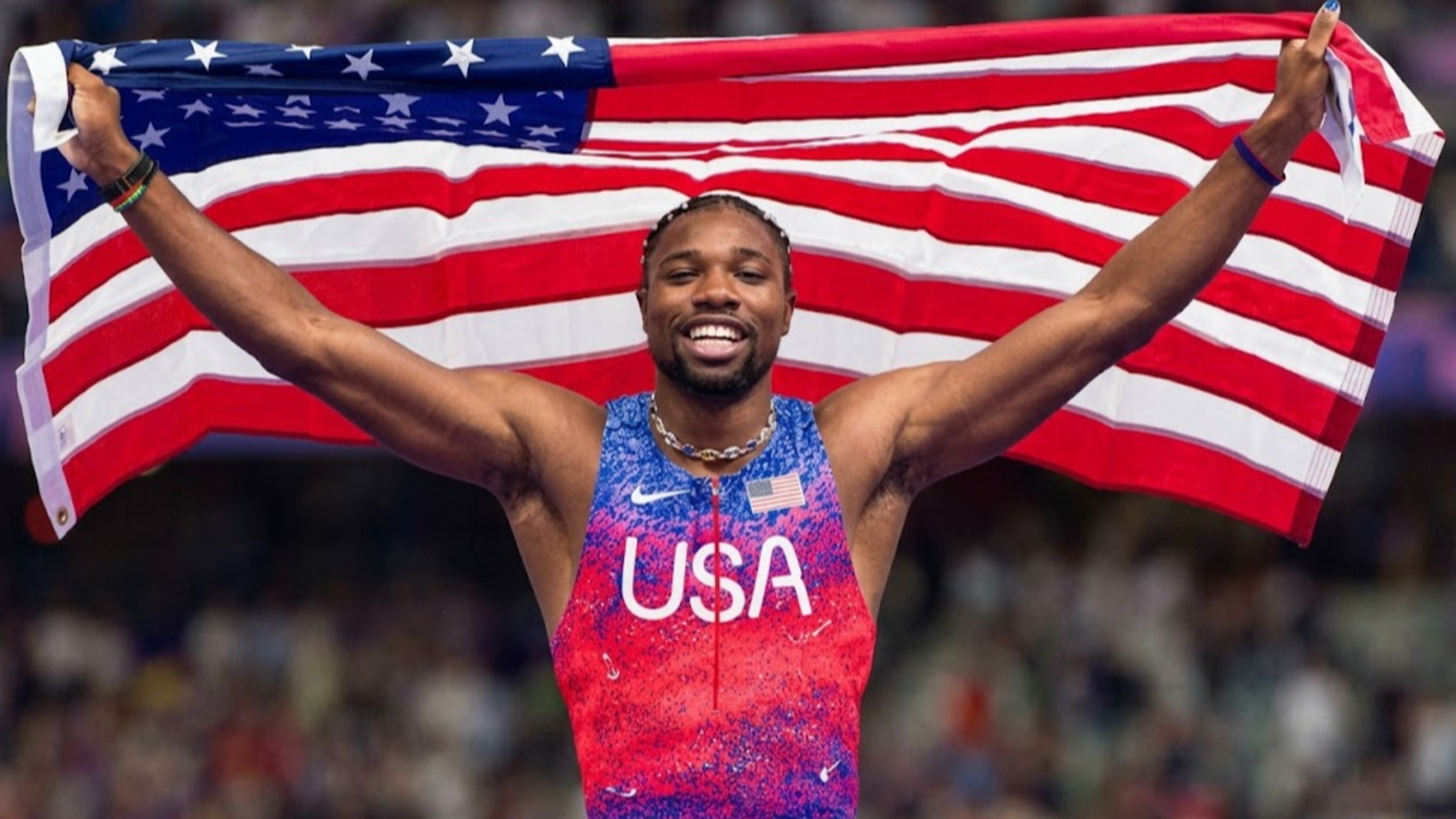
Olympic 100m champion Noah Lyles gets it. He's also not afraid to say when it's gone too far.
"I think that influencers are needed. I also think that there's a time and place," Lyles said in Budapest. He was talking about what happened at the U.S. Open a few weeks earlier, when a chair umpire had to stop a group staging a photo shoot while Naomi Osaka was mid-serve. "I was watching that, and I was cringing a little bit."
World Athletics Built A Whole Day Around It
World Athletics tried to solve that in Budapest by carving out a separate day for content, letting athletes shoot away from race-day pressure. Gowns and rhinestone suits replaced kits for an afternoon. Lyles called it a space to be "more comfortable" without worrying about interrupting anyone else's work.
Greek pole vaulter Emmanouil Karalis put it more bluntly. "We need that kind of exposure in our sport," he said. "I'm a kid from social media. Most of us grew up with social media. It has to be controlled, of course. In the U.S. Open, that was too much."
The distinction athletes keep drawing isn't about whether creators belong at events. It's about whether they're allowed to interrupt the actual competition to get the shot. Nobody in Budapest seemed against the first. Plenty were uneasy about the second.
They're Not Just Posting. They're Building Businesses.
Lyles launched a track-and-field trading card line this year, hoping to give athletes another revenue stream beyond appearance fees. Former 1,500m world champion Jake Wightman co-founded a specialty coffee brand that's now an official supplier at major meets. Canada's Andre De Grasse, a seven-time Olympic medalist, has stacked a charitable foundation, an investment stake in a women's soccer club, and a children's TV show on top of his track career.
"Like any professional athlete, you're looking to optimize your earning potential during what is typically a relatively brief career," said Brian Levine, who runs the agency representing De Grasse.
That's the quiet truth nobody says out loud at a press conference. Track careers don't last, and the prize money rarely does either. A sprinter's prime window might be six or seven years if the body cooperates. Everything built outside the track has to be built during that same narrow stretch, which is exactly why athletes are starting side businesses at 22 instead of waiting until retirement.
Maybe that's fitting for a discipline built entirely around fractions of a second. Athletics is now betting its future partly on athletes who can win on the track and on the screen. The next great sprinter might also be the next great podcast host, and honestly, would that even be surprising anymore?

Sarajevo Back at the Heart of Regional MMA: SFC Returns with Explosive Matchups

How Buzzer Karma Works: Levels, Penalties, and What They Mean

Inside Buzzer's Latest Update (and Why It Changes How You Use the App)

Buzzer Introduces Ads Console: A New Era of Advertising Across the Entire Buzzer Ecosystem

Buzzer Is Evolving: From Quantity to Quality

Buzzer Now Has a Games Hub, and Tournaments Are Coming

Polo Al Taco Expands Its Global Reach Through Weekly Livestreams on Buzzer Arena TV

Al Ittihad SC's Matches Are Now Live on Buzzer

Palm City vs Gulf United Ends in 1–1 Draw in UAE Second Division League Clash

"We Don't Take the Guy With the Camera." He Built His Own Club Anyway. Now He's Coming to Find You.


