





 0
The audience is here. Now women's cricket needs the money to follow.
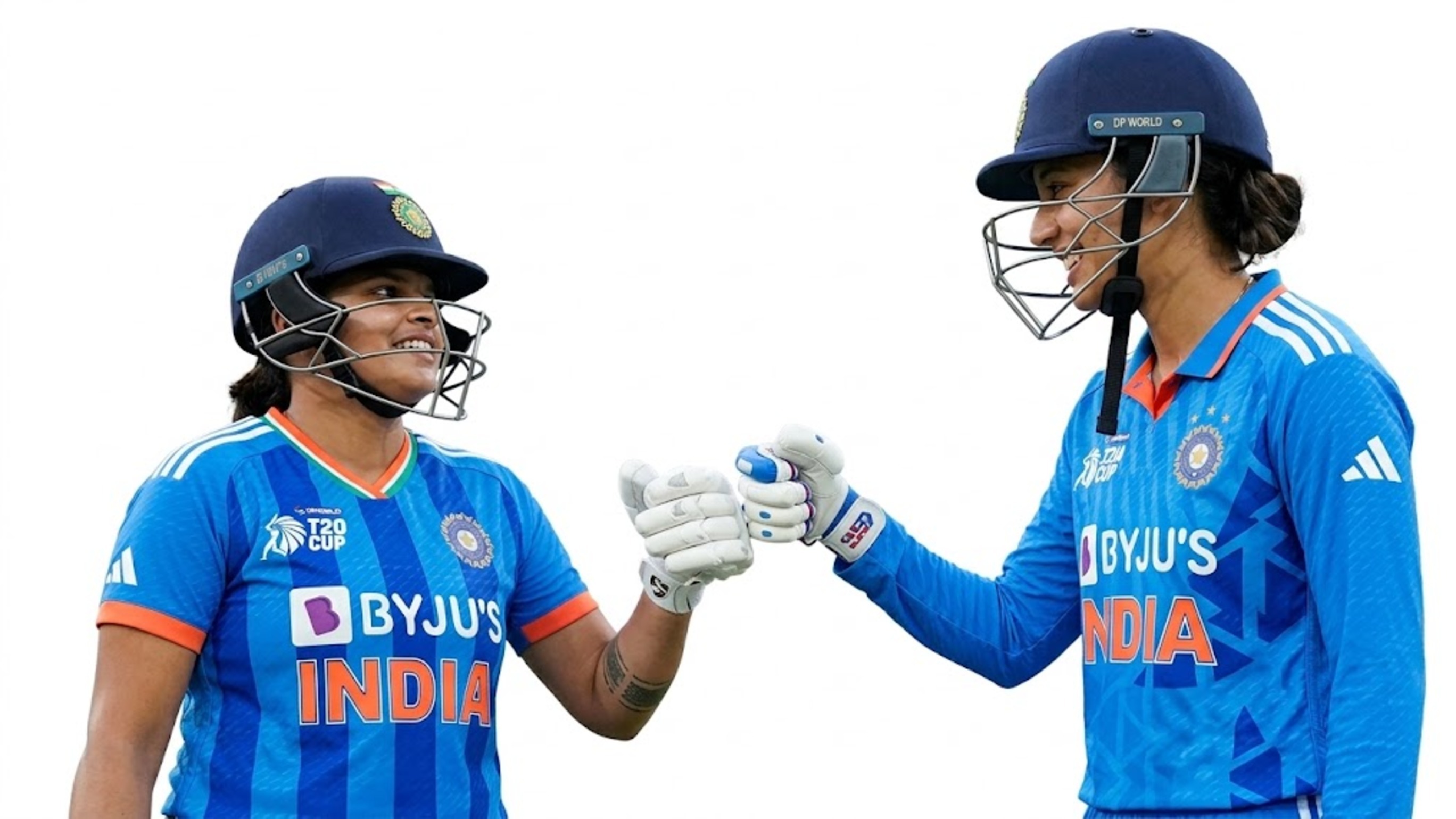
Shafali Verma needed 24 balls to reach fifty in Sunday's Women's Asia Cup final, the fastest half-century in the tournament's history. She finished with 68 off 39, built a 129-run opening stand with Smriti Mandhana that's now the biggest in a Women's T20I final ever played, and did it as India cruised to a record eighth Asia Cup title.
That's a genuinely remarkable individual performance. It's also not really the story anymore. The story is that performances like it are becoming routine, and the sport's commercial machinery is scrambling to catch up.
The audience question has already been answered
This summer's ICC Women's T20 World Cup in England pulled 15 million viewer hours on Sky Sports, the most-watched edition of the tournament since broadcast data began being tracked in 2016. The final between England and Australia peaked at 678,000 viewers, the highest figure any Women's T20 World Cup has drawn on the network. England's own matches averaged 381,000 viewers, a 69 percent jump from the last edition just two years earlier.
None of that reads like a niche product still waiting for its moment. It reads like a sport whose audience has already shown up, in growing numbers, tournament after tournament.
Where the gap actually sits
What hasn't caught up at the same pace is the money built around that audience. Broadcast rights, sponsorship packages, and domestic league salaries for women's cricket are still, in most markets, priced as if the sport were still proving itself rather than already having proven it.
Shafali's own numbers this tournament illustrate the talent level driving those viewing figures: three fifties in a single edition, tying Sri Lanka captain Chamari Athapaththu's record from 2024, and a fastest-fifty mark that beat her own teammate Mandhana's previous record by a single ball. That's the kind of individual brilliance that, in men's cricket, would already be attached to major individual endorsement deals and franchise league bidding wars at a different order of magnitude.
What actually closes a gap like this
Audience numbers move commercial conversations, but they don't automatically finish them. Broadcasters need multiple cycles of sustained, growing viewership before rights fees catch up to reflect it. Sponsors need to see athlete profiles they can build campaigns around independent of national team results. Domestic T20 leagues need enough financial depth that top players don't have to choose between playing internationally and actually being paid well.
Women's cricket has spent the last several years mostly winning the first argument, that people will watch if the product is good and accessible. Sunday's final, and this summer's World Cup numbers before it, make that case about as strongly as it can currently be made.
What comes next is a slower, less glamorous fight: whether broadcasters, boards and sponsors actually restructure their commercial models around an audience that's already there, or whether women's cricket keeps setting viewership records while getting paid like it's still trying to prove itself.

Sarajevo Back at the Heart of Regional MMA: SFC Returns with Explosive Matchups

How Buzzer Karma Works: Levels, Penalties, and What They Mean

Inside Buzzer's Latest Update (and Why It Changes How You Use the App)

Buzzer Introduces Ads Console: A New Era of Advertising Across the Entire Buzzer Ecosystem

Buzzer Is Evolving: From Quantity to Quality

Buzzer Now Has a Games Hub, and Tournaments Are Coming

Polo Al Taco Expands Its Global Reach Through Weekly Livestreams on Buzzer Arena TV

Al Ittihad SC's Matches Are Now Live on Buzzer

Palm City vs Gulf United Ends in 1–1 Draw in UAE Second Division League Clash

"We Don't Take the Guy With the Camera." He Built His Own Club Anyway. Now He's Coming to Find You.


 1


